ICJ Ruling: A Latent Earthquake for Energy Investors
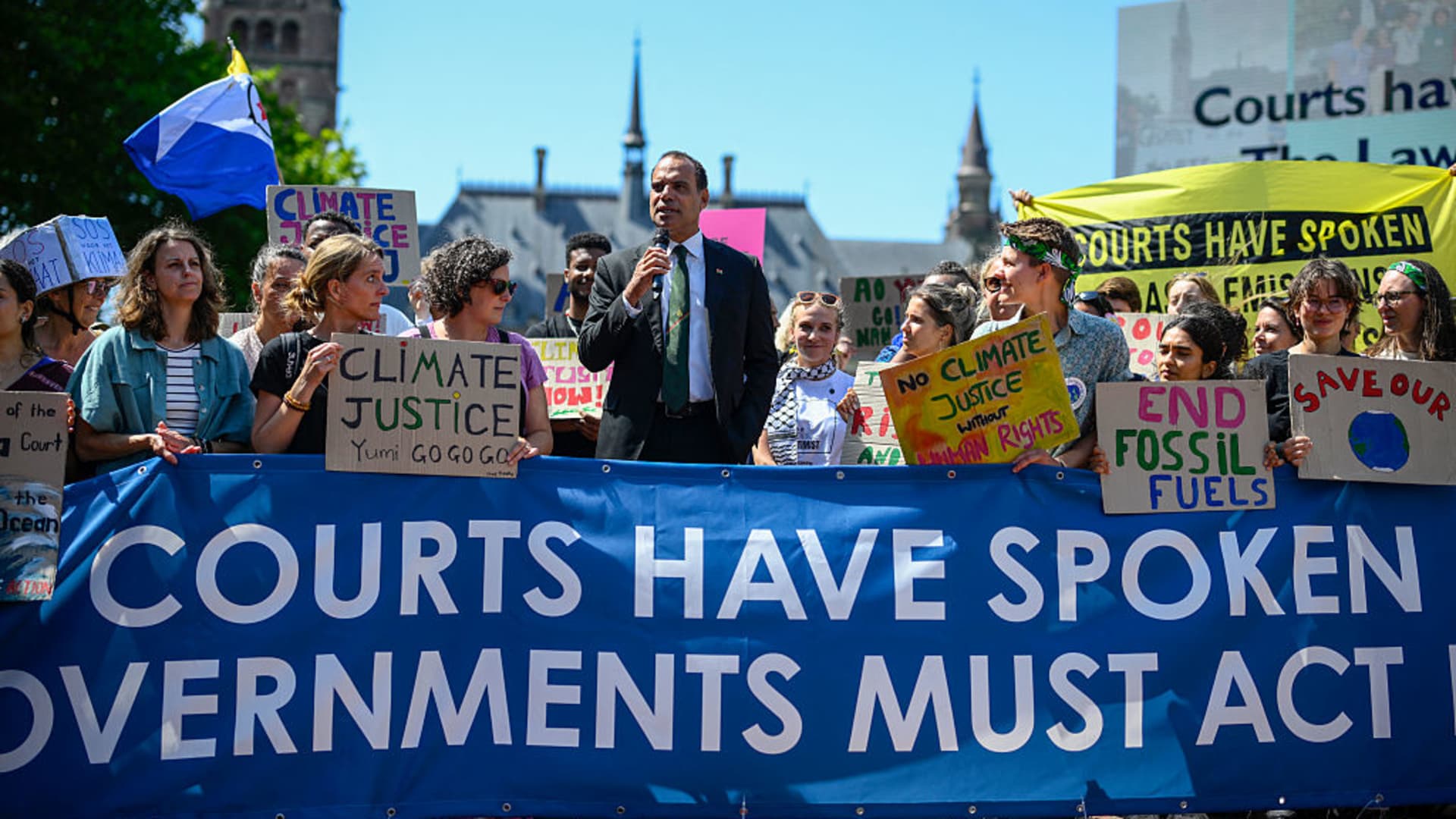
While the immediate financial headlines often gravitate towards quarterly earnings reports and the ebb and flow of geopolitical trade tensions, a recent, seemingly understated advisory opinion from the International Court of Justice (ICJ) on states’ legal obligations concerning climate change could prove to be a seismic shift for the global energy investment landscape. Initially, the broader market largely absorbed the news without significant volatility, perhaps underestimating the long-term implications. However, for astute investors and capital market participants, this pronouncement, which unequivocally states that climate action is not optional and that governments have a legal duty to protect the environment and future generations, demands a proactive re-evaluation of fossil fuel asset exposure. The ICJ’s unprecedented declaration that fossil fuel production, including its associated licensing and subsidies, “may constitute an internationally wrongful act attributable to that State,” casts a long shadow over traditional investment paradigms, signalling a profound, structural change in regulatory risk.
The Legal Hammer: Re-evaluating Fossil Fuel Asset Valuations
The core of the ICJ’s advisory opinion lies in its clear articulation of state responsibility. This isn’t merely a moral plea; it’s a legal framework that could underpin future national and international litigation. When the world’s highest court suggests that the very acts of licensing new oil & gas projects or subsidizing existing ones could be deemed “internationally wrongful,” the implications for asset valuation are immediate and profound. Every prudent investor must now consider the heightened probability of regulatory challenges, permit denials, and the potential withdrawal of fiscal support across jurisdictions. This isn’t a distant threat; it’s a recalibration of fundamental risk. Even if some governments initially resist or ignore the opinion, the precedent it sets empowers activists, civil society, and potentially national courts to exert significant pressure. The cost of capital for new fossil fuel projects could rise dramatically as lenders and insurers factor in this elevated legal and reputational exposure, potentially leading to a widespread re-pricing of existing assets and a dampening of future investment.
Current Market Dynamics vs. Emerging Systemic Risk
As of today, April 16, 2026, the crude market exhibits robust daily performance. Brent Crude trades at $98.63, reflecting a healthy 3.9% daily gain, while WTI Crude sits at $90.51, up 2.7%. Gasoline prices have also seen an uptick, reaching $3.08, a 2.66% increase from yesterday’s close. This short-term bullish sentiment, driven by immediate supply-demand fundamentals and geopolitical considerations, might seem to contradict the long-term climate narrative. However, it’s crucial to contextualize this against the recent past: Brent’s 14-day trend saw a notable decline of over 12%, dropping from $108.01 on March 26 to $94.58 on April 15. This volatility underscores that while short-term drivers dictate daily price movements, underlying systemic risks are accumulating. The ICJ ruling introduces a new dimension to this risk calculus, one that current spot prices may not yet fully discount. While today’s rally reflects immediate market forces, the ICJ’s opinion is a slow-burn catalyst that will increasingly influence long-term capital allocation decisions, potentially dampening future demand for new fossil fuel projects regardless of immediate price signals.
Upcoming Events and the Long Shadow of Legal Precedent
The full ramifications of the ICJ’s advisory opinion will not manifest overnight, but its influence could subtly — and then overtly — begin to shape the energy agenda over the coming weeks and months. We have several critical events on the horizon that, while traditionally focused on supply and inventory, could serve as early indicators of this shifting landscape. The OPEC+ Joint Ministerial Monitoring Committee (JMMC) meeting on April 18th, followed by the Full Ministerial Meeting on April 20th, will primarily address production quotas. However, the ICJ ruling adds a new layer of pressure for OPEC+ nations, particularly those with more diversified economies or stronger climate commitments, to consider the long-term viability and legal defensibility of their fossil fuel development plans. Similarly, the bi-weekly Baker Hughes Rig Count reports (April 17th and April 24th) and the API and EIA Weekly Petroleum Status Reports (starting April 21st and 22nd, respectively) will continue to track drilling activity and inventory levels. While these reports reflect current operational realities, any future slowdown in licensing or permitting, directly influenced by the ICJ’s opinion, would eventually translate into declining rig counts and tighter supply forecasts over the medium to long term, fundamentally altering investment theses.
Navigating Investor Concerns: Beyond the Next Quarter’s Brent Price
Our proprietary reader intent data reveals a significant focus among investors on forward-looking price discovery, with questions like “Build a base-case Brent price forecast for next quarter” and “What is the consensus 2026 Brent forecast?” dominating inquiries. While these questions are crucial for tactical positioning, the ICJ ruling fundamentally alters the risk profile underpinning these forecasts. Investors must now integrate a “regulatory risk premium” into their models. For instance, while questions about “How are Chinese tea-pot refineries running this quarter?” or “What’s driving Asian LNG spot prices this week?” address vital regional demand dynamics, the ICJ’s opinion suggests a future where even these demand centers could face increasing pressure to curb fossil fuel consumption or face international scrutiny. The key takeaway for investors is that while traditional supply/demand fundamentals remain critical, the ICJ has introduced a powerful, overarching legal and political variable. This necessitates a more sophisticated approach to due diligence, one that rigorously assesses the legal vulnerability of assets, the likelihood of national policy shifts, and the long-term implications for capital allocation in a world where fossil fuel production may increasingly be viewed as an “internationally wrongful act.”