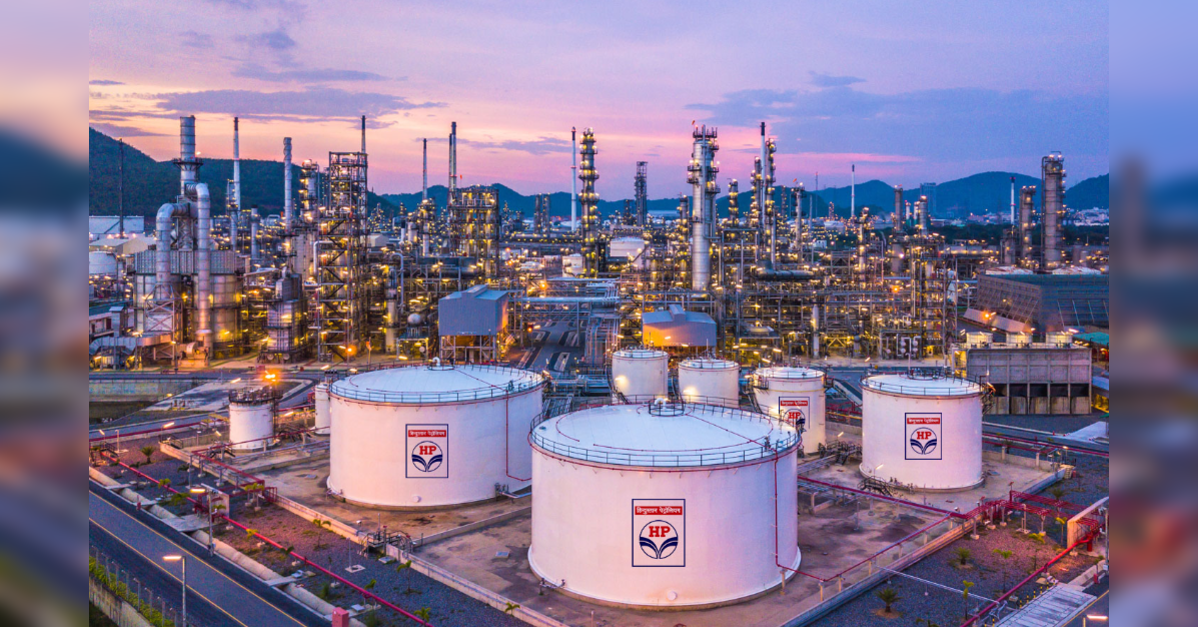
HPCL’s Strategic Pivot: Deleveraging Over Demerger in a Volatile Energy Market
Hindustan Petroleum Corporation Ltd (HPCL) has made a significant strategic pivot, opting to postpone the carve-out and potential listing of its robust lubricants business. This decision, announced by HPCL chairman and managing director Vikas Kaushal, signals a clear prioritization of debt reduction and internal operational strengthening over immediate value unlocking. For investors, this move warrants close examination, especially against a backdrop of fluctuating crude prices and an uncertain global energy outlook. Our analysis suggests HPCL is fortifying its balance sheet to create superior long-term shareholder value, a conservative yet potentially rewarding strategy in the current climate.
Fortifying the Balance Sheet: A Calculated Delay for Long-Term Value
The core of HPCL’s revised strategy lies in its aggressive debt reduction efforts. The company successfully brought its total debt down from ₹63,323 crore as of March 31, 2025, to a more manageable ₹55,808 crore by September 30, 2025. This impressive deleveraging also saw the debt-equity ratio improve significantly, from 1.38 to a healthier 1.07. Management’s explicit focus on achieving lower debt-equity levels underscores a commitment to financial stability, a critical factor for any enterprise navigating the capital-intensive oil and gas sector.
While the initial plan in September 2023 aimed to unlock value and generate new revenue streams through a lubes demerger, the current decision reflects a calculated belief that a stronger, more financially robust lubricants business will command a higher valuation in the future. By investing internally and strengthening its consumer-facing operations, HPCL is betting on organic growth and improved fundamentals to maximize shareholder returns down the line, rather than rushing a spin-off into potentially suboptimal market conditions. This patient approach can often yield greater rewards than quick divestments, particularly for an established market leader.
Downstream Resilience Amidst Upstream Volatility: What Investors Are Asking
HPCL’s lubricants division is not merely an ancillary operation; it is a market powerhouse. The company stands as India’s largest marketer and distributor of industrial and automotive lubricants, holding a commanding 16% share in commercial automotive and 15% in industrial lubricants, in addition to being the top supplier for two-wheelers. This domestic dominance is complemented by an expanding international footprint, including a new presence in Sri Lanka’s 60 TMT lubricant market and established trading operations in West Asia and Africa through HPCL Middle East FZCO.
This robust downstream segment offers a degree of insulation from the intense volatility currently gripping upstream markets. As of today, Brent Crude is trading at $90.38, experiencing a significant decline of 9.07% within the day, with its range spanning from $86.08 to $98.97. Similarly, WTI Crude stands at $82.59, down 9.41% today, fluctuating between $78.97 and $90.34. This daily downturn is part of a broader trend, with Brent having plummeted by $22.4, or 19.9%, from $112.78 on March 30 to its current level. Gasoline prices also reflect this pressure, at $2.93, down 5.18% today. This kind of sharp, sustained price correction naturally raises questions among our readers, with many asking about the trajectory of oil prices per barrel by the end of 2026. HPCL’s strategic emphasis on its stable, high-margin lubricants business provides a valuable hedge against such unpredictable crude price swings, offering a more predictable earnings stream that can appeal to investors seeking stability in an otherwise turbulent sector.
Navigating Future Uncertainty: Strategic Stability Ahead of Key Energy Events
The decision to prioritize internal strengthening and debt reduction is particularly astute given the upcoming energy calendar, which promises further market catalysts. The next 14 days include critical events such as the OPEC+ JMMC Meeting on April 19th and the full OPEC+ Ministerial Meeting on April 20th. These gatherings have the potential to significantly impact global supply policies and, consequently, crude oil prices, adding another layer of uncertainty to an already volatile market. Following these, the API Weekly Crude Inventory reports on April 21st and 28th, and the EIA Weekly Petroleum Status Reports on April 22nd and 29th, will offer crucial insights into demand and inventory levels, further shaping short-term price movements.
In this environment, a company like HPCL, focused on enhancing its operational efficiency and reducing financial leverage, presents a more resilient investment proposition. By strengthening its core assets and balance sheet now, HPCL positions itself to better absorb potential shocks from future OPEC+ decisions or unexpected inventory shifts. This forward-looking approach suggests a management team acutely aware of the external pressures and proactively building a more robust foundation, rather than attempting to capitalize on a potentially fleeting market window for a demerger. For investors, HPCL’s strategy offers a degree of fundamental stability that can be particularly attractive during periods of heightened market speculation surrounding production quotas and supply data.
Investment Outlook: Patience for Enhanced Returns
HPCL’s decision to delay the lubricants demerger, while initially seen by some as a missed opportunity for immediate value unlock, should be viewed through the lens of long-term value creation. By dedicating resources to debt reduction and fortifying its already dominant lubricants business, HPCL is building a stronger, more attractive asset. This strategy aligns with creating higher shareholder value over time, as a business with improved financial health and enhanced operational capabilities is likely to command a premium valuation whenever a demerger or listing eventually occurs. For investors, this implies a need for patience, with the expectation that current strategic choices will culminate in a more significant return on investment in the future, underpinned by a resilient, market-leading downstream franchise.


