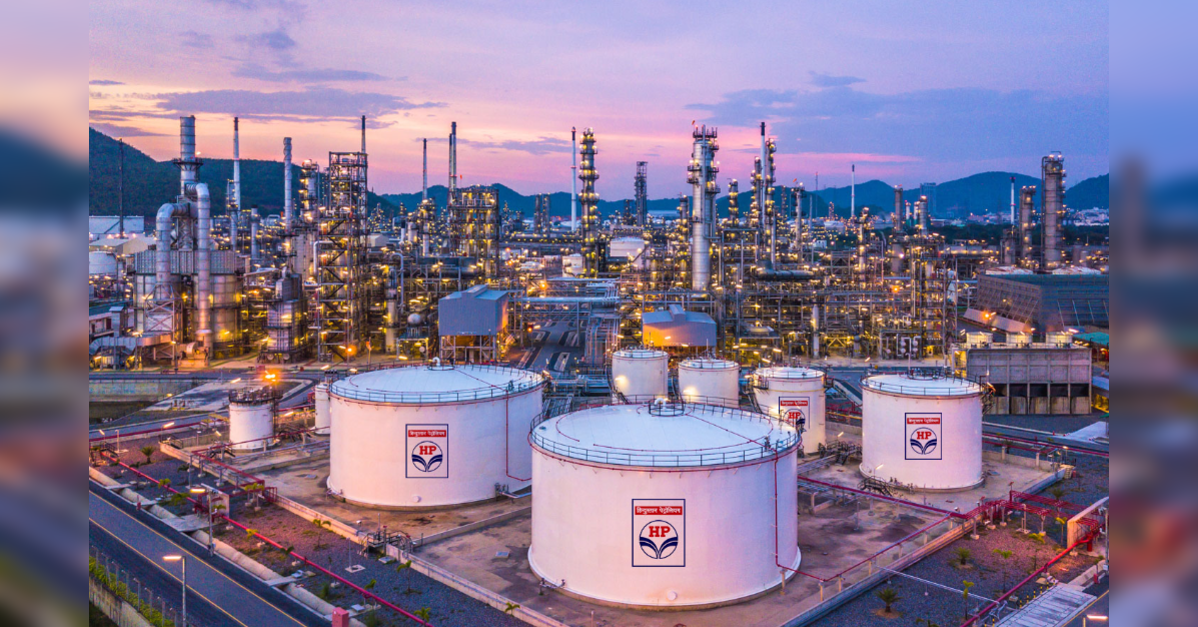
The global energy landscape continues to evolve at a rapid pace, driven by geopolitical shifts, sanctions, and the relentless pursuit of economic efficiency. For major crude importers and refiners, navigating this complexity is paramount to ensuring stable, cost-effective supply. Our proprietary data pipelines reveal significant shifts in procurement strategies, particularly among Indian state-owned refiners. Hindustan Petroleum Corporation Limited (HPCL), a key player in India’s energy sector, has recently underscored this dynamic, declaring that Russian crude has become uneconomical for its operations. This stance, while seemingly straightforward, unravels a deeper narrative about energy security, market volatility, and strategic diversification that demands investor attention.
The Shifting Calculus of Crude Sourcing for Indian Refiners
India’s refining sector, a behemoth in global energy consumption, has been at the forefront of adapting to recent geopolitical realities. While India emerged as a primary destination for seaborne Russian crude following the 2022 invasion of Ukraine, the economic calculus is clearly changing. HPCL processed a mere 5 percent Russian oil in Q2 FY26, a figure that highlights a significant reduction in reliance. This decline is not solely a matter of compliance with tightening U.S. restrictions, but, as HPCL’s chairman articulated, a pragmatic assessment of economics. The logistical complexities, insurance hurdles, and payment challenges associated with sanctioned entities and shipping lines can negate any initial pricing advantage, making the overall cost of Russian crude less competitive for refiners like HPCL and its joint venture HPCL-Mittal Energy Ltd (HMEL).
This pivot is driving a notable diversification of India’s crude import portfolio. Our data shows a dramatic surge in crude oil imports from the United States, reaching levels not seen since 2022. In October 2025, India imported approximately 540,000 barrels per day (bpd) of U.S. crude, marking the highest volume in nearly three years. Full-month shipments for October are projected to close around 575,000 bpd, with November volumes expected to settle between 400,000 and 450,000 bpd. This represents a steep increase from the year-to-date average of roughly 300,000 bpd, signaling a concerted effort by New Delhi to reduce its dependency on any single source and ease trade frictions with major economies. For investors, this trend highlights the growing importance of Atlantic Basin crudes and the strategic value of diversified supply chains for refiners.
Navigating a Volatile Market: Investor Focus on Price and Supply
The evolving procurement strategies of major refiners like HPCL are unfolding against a backdrop of significant market volatility. As of today, Brent Crude trades at $90.38 per barrel, experiencing a sharp decline of 9.07% within the day, with its range fluctuating between $86.08 and $98.97. Similarly, WTI Crude stands at $82.59, down 9.41%, having traded between $78.97 and $90.34. This immediate downturn is part of a broader trend; our 14-day Brent trend data reveals a substantial drop from $112.78 on March 30, 2026, to the current $90.38, representing a decline of $22.4, or nearly 20%.
This rapid price depreciation naturally raises questions among our readers, many of whom are actively asking about the predicted price of oil per barrel by the end of 2026. Such intense investor interest underscores the critical relationship between geopolitical supply disruptions, economic demand signals, and crude price movements. For refiners, a plummeting crude price can impact inventory valuations and refining margins, while simultaneously making the “uneconomical” aspect of certain supply sources even more pronounced. The current market snapshot suggests that the premium previously paid for complex Russian logistics might now be less justifiable given the significant decline in benchmark crude prices, reinforcing HPCL’s strategic shift.
OPEC+ and Inventory Dynamics Ahead
The coming days are packed with critical events that will undoubtedly shape the near-term trajectory of the oil market, directly impacting refiners and investor sentiment. The OPEC+ Joint Ministerial Monitoring Committee (JMMC) is scheduled to meet on Sunday, April 19, followed by the full OPEC+ Ministerial Meeting on Monday, April 20. Given the recent steep decline in crude prices, these meetings will be under intense scrutiny, particularly regarding current production quotas. Our readers are keenly interested in OPEC+’s current output levels, reflecting a broader concern about how the cartel might respond to market weakness.
Any decision by OPEC+ to adjust production, whether to maintain, cut, or even increase supply, will have immediate repercussions for global crude availability and pricing. Beyond OPEC+, attention will turn to inventory data, with the API Weekly Crude Inventory report due on Tuesday, April 21, and the EIA Weekly Petroleum Status Report on Wednesday, April 22. These reports, along with the Baker Hughes Rig Count on Friday, April 24, will provide crucial insights into supply-demand balances in key markets. Further API and EIA reports on April 28 and 29, respectively, and another Baker Hughes count on May 1, will continue to inform the market. For investors, closely monitoring these upcoming events is essential for understanding potential shifts in supply dynamics and making informed decisions in an increasingly volatile commodity environment.
India’s Broader Energy Security Play: Beyond Crude
While the focus on crude procurement remains paramount, India’s energy strategy extends beyond oil barrels. HPCL’s announcement regarding its plans to double the capacity of its Chhara LNG terminal to 10 MMTPA (million metric tons per annum) signals a broader, long-term commitment to diversifying its energy mix and bolstering energy security. This move into liquified natural gas (LNG) reflects a national imperative to reduce reliance on a single fossil fuel and integrate cleaner-burning alternatives where feasible.
For investors, this expansion into LNG presents an additional dimension to HPCL’s growth trajectory and India’s overall energy transition. It demonstrates a strategic foresight to secure future energy supplies, capitalizing on the global abundance of natural gas while simultaneously addressing environmental goals. This diversification reduces geopolitical risks associated with crude oil sourcing and positions HPCL to meet India’s burgeoning demand for cleaner industrial and residential energy. Such strategic infrastructure investments underscore the resilience and adaptability of key players in the Indian energy market, making them compelling considerations for long-term portfolio growth.


