HPCL $231M Biogas Investment Signals Green Growth
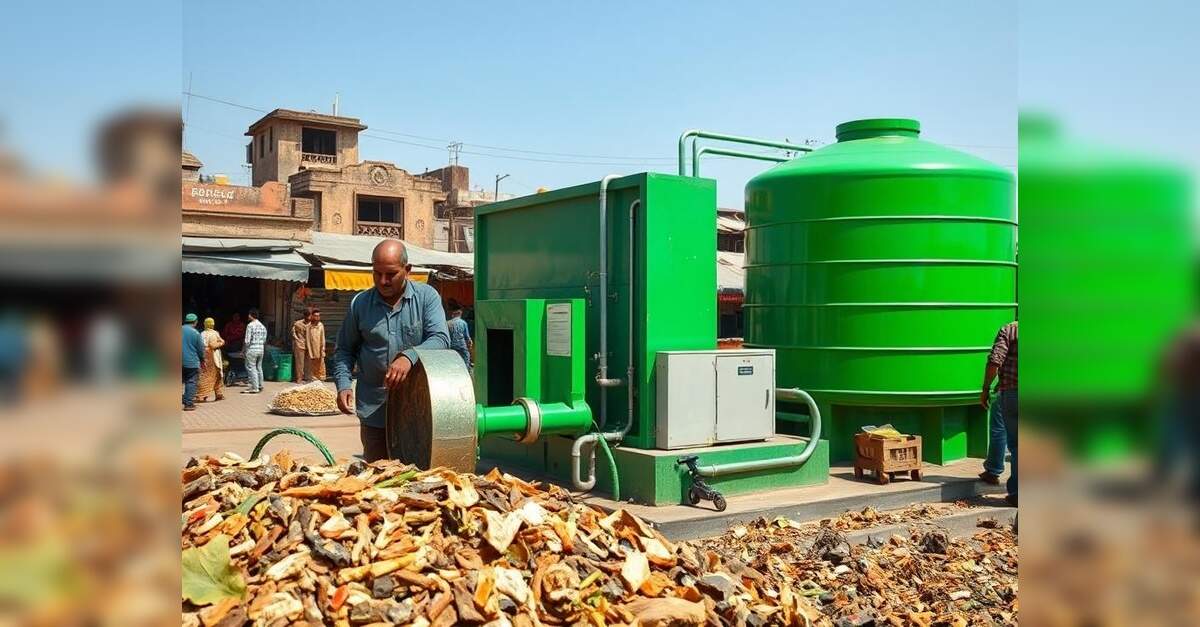
India’s energy landscape is undergoing a profound transformation, driven by an urgent need for energy security, reduced carbon emissions, and economic stability. Hindustan Petroleum Corp Ltd (HPCL), a prominent state-owned fuel retailer, is at the forefront of this shift, committing approximately $231.04 million (20 billion rupees) over the next two to three years to establish 24 new compressed biogas (CBG) plants. This substantial investment, executed through its subsidiary HPCL Renewable and Green Energy Ltd, is not merely a corporate initiative; it represents a strategic pivot for one of the world’s largest greenhouse gas emitters, aiming to leverage organic waste into cleaner fuels. For investors, this move signals a growing ‘green premium’ within traditional oil and gas giants, reshaping their long-term value propositions and aligning with India’s ambitious 2070 net-zero target.
The Strategic Imperative: Beyond Crude Volatility
The decision by HPCL to inject significant capital into biogas production must be viewed within the broader context of a volatile global energy market. As of today, Brent crude trades around $93.22 per barrel, marking an 8.8% decline from its $102.22 peak recorded just a few weeks ago on March 25th. This recent downward trend, while offering some short-term relief, underscores the persistent price instability that has plagued commodity markets. For a major energy consumer like India, which imports nearly half its gas needs as costly liquefied natural gas (LNG), diversifying the energy mix is not just an environmental goal but an economic imperative. By investing in indigenous CBG production from sources like agriculture residue, cattle dung, and sewage water, HPCL directly contributes to mitigating import dependency and insulating the national economy from unpredictable global energy shocks. This strategic move offers a hedge against external market fluctuations, providing a more stable and domestically sourced energy supply.
India’s Green Gas Ambition and the Market Opportunity
India’s commitment to CBG is anchored in a clear policy framework and substantial market demand. Since April, the nation has mandated a 1% blending of CBG with gas used for automobiles and cooking, a proportion slated to rise to 5% by 2028-2029. This legislative backing provides a robust and expanding market for HPCL’s planned 24 plants, each with a daily capacity to produce 10-15 tons of CBG. Currently, India utilizes about 28 million standard cubic meters per day (MMSCMD) of gas for transportation and domestic cooking, a figure projected to surge to 44 MMSCMD by 2028-29. This growth trajectory highlights a massive domestic demand gap that conventional gas sources alone cannot efficiently fill, especially given India’s goal to increase gas’s share in its energy mix from the current 6% to 15% by 2030. Our proprietary reader intent data reveals a keen investor interest in what’s driving Asian LNG spot prices this week; HPCL’s CBG initiative directly addresses this, aiming to reduce the reliance on expensive LNG imports by substituting a portion of demand with domestically produced, renewable gas. This creates a compelling investment thesis for companies positioned to capitalize on this mandated shift.
Catalysts on the Horizon: Policy, Production, and Price
Forward-looking analysis indicates several upcoming events and policy milestones that will further shape the investment landscape for green energy initiatives in India. While global crude supply discussions, such as the upcoming OPEC+ Ministerial Meeting on April 20th (following the JMMC on April 18th), will continue to influence traditional oil markets, India’s domestic energy policy is creating its own powerful gravitational pull. The ramp-up of CBG production is tied to a national vision for 480 CBG plants by 2028-29, with 195 of these to be developed by state oil and gas companies. This sustained government-backed push provides a clear runway for HPCL’s investment strategy. Furthermore, the regular Baker Hughes Rig Count reports (due April 17th and 24th) and EIA/API Weekly Petroleum Status Reports (April 21st, 22nd, 28th, 29th) offer glimpses into conventional energy supply dynamics. However, for investors tracking India, the internal progression of this CBG program, including successful plant commissioning and adherence to blending mandates, will be equally critical indicators of the nation’s energy transition momentum and the long-term viability of these green investments.
Investor Outlook: Deciphering the Green Premium
For discerning investors, HPCL’s $231 million CBG commitment signals a strategic realignment rather than a mere diversification. While our readers frequently inquire about a base-case Brent price forecast for the next quarter, sophisticated long-term investors must also analyze how demand-side shifts, like India’s accelerating CBG program, could gradually temper future crude and LNG demand growth from a major global consumer. This substantial investment by a state-owned enterprise underscores the government’s serious intent to drive renewable fuel adoption, potentially creating a ‘green premium’ for companies that successfully transition their portfolios. Companies like HPCL, by proactively investing in sustainable energy solutions, are positioning themselves not only to meet regulatory requirements but also to capture new market segments and enhance their social license to operate. The integration of CBG into the existing gas network offers a compelling path to decarbonization while simultaneously bolstering energy security. Investors should closely monitor the execution of these projects and the broader policy environment, as successful implementation could unlock significant long-term value for HPCL and other pioneering players in India’s green energy evolution.


