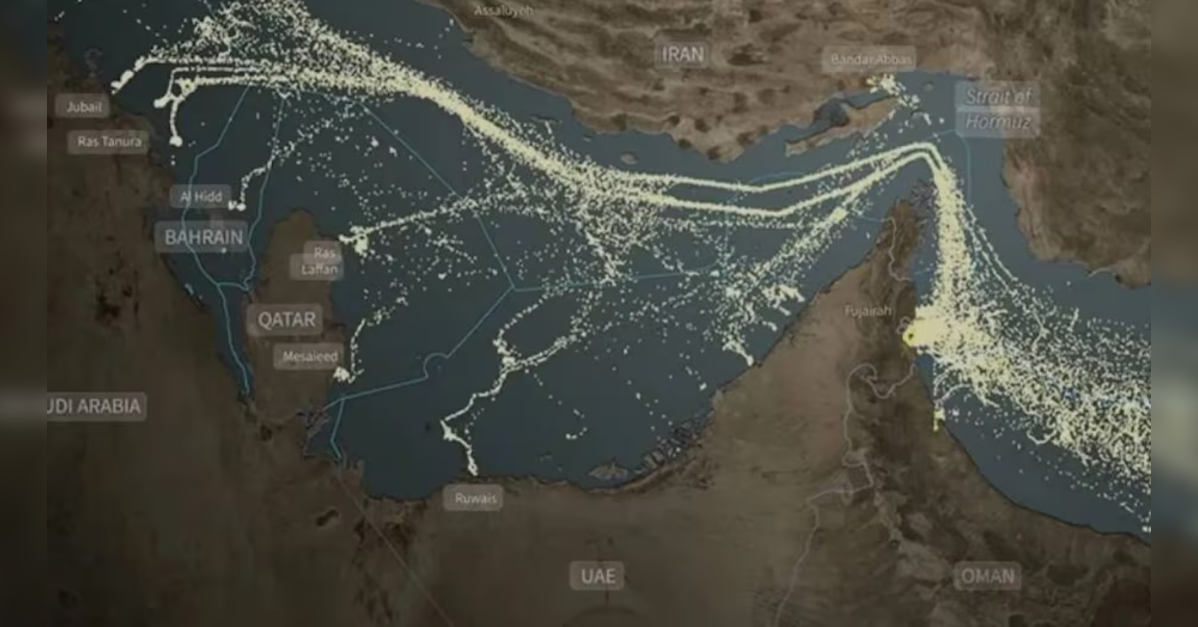
The Strait of Hormuz, a critical chokepoint connecting the Persian Gulf to the Arabian Sea, finds itself once again at the epicenter of global energy market anxieties. Following recent U.S. actions against Iranian nuclear facilities, Tehran’s indication that closing this vital passage remains a viable option to exert pressure has sent reverberations through the oil and gas community. For investors, this isn’t just another headline; it’s a stark reminder of the fragile geopolitical underpinnings of global energy supply and a potent catalyst for extreme price volatility. With nearly 30% of the world’s crude oil and a third of its liquefied natural gas (LNG) transiting this narrow channel daily, any disruption would trigger an immediate and profound reduction in global supplies, making the current market dynamics a high-stakes play for every portfolio.
The Hormuz Flashpoint: Unpacking the Supply Shock Potential
The strategic significance of the Strait of Hormuz cannot be overstated. As the sole maritime outlet for major oil and gas producers like Saudi Arabia, Iraq, Qatar, and the UAE, its unimpeded flow is essential for global energy security. Recent declarations from Tehran, hinting at the potential for closure or disruption in response to escalating tensions, underscore the immediate and severe supply risks facing the market. Experts have consistently warned that such an event would not only lead to an instantaneous reduction in available global oil and LNG but also inflict cascading effects across the shipping industry, notably through soaring insurance premiums and the prohibitive costs of rerouting shipments around the Arabian Peninsula. India’s significant reliance on crude imports from Iraq and Saudi Arabia, for instance, highlights how deeply a Hormuz disruption would impact national energy security and broader economic stability, amplifying the global ripple effect for energy consumers everywhere.
Market Undercurrents: Decoding Price Action Amidst Escalation
As of today, Brent crude trades at $90.38, reflecting a significant 9.07% decline from its opening, while WTI crude has similarly retreated to $82.59, down 9.41% within the day’s trading range of $86.08-$98.97 and $78.97-$90.34 respectively. This sharp daily downturn extends a broader retreat; Brent has shed 18.5% over the past 14 days, falling from $112.78 to its current levels. This paradox—a major geopolitical threat to supply coinciding with a substantial price drop—demands careful analysis. While the market often reacts to immediate headlines, the current sell-off suggests that either other demand-side concerns, such as fears of a global economic slowdown, are currently outweighing supply risks, or that the market is interpreting the Hormuz threat as a longer-term risk rather than an immediate certainty. However, the underlying potential for a rapid price reversal remains potent; analysts have projected prices could surge to $80-$90 per barrel, or even breach $100, should Iran enact retaliatory measures. This stark contrast between today’s price action and the inherent geopolitical risk creates a complex landscape for investors seeking to position themselves effectively.
Navigating the Next Fortnight: OPEC+, Inventories, and Investor Outlook
Our proprietary reader intent data indicates a keen focus among investors on the future trajectory of oil prices, with questions like “what do you predict the price of oil per barrel will be by end of 2026?” dominating sentiment. The immediate horizon is packed with market-moving events that will be critical in shaping this outlook, especially in light of the Hormuz threat. This very weekend, the OPEC+ Joint Ministerial Monitoring Committee (JMMC) and the Full Ministerial meeting are scheduled for April 18th and 19th, respectively. These gatherings are paramount for understanding the alliance’s production strategy and how they might respond to heightened geopolitical tensions. Investors are particularly interested in “What are OPEC+ current production quotas?” and whether these might be adjusted to either stabilize a falling market or preemptively address potential supply disruptions. Following these crucial meetings, the market will turn its attention to the API Weekly Crude Inventory (April 21st, 28th) and the EIA Weekly Petroleum Status Report (April 22nd, 29th), providing essential insights into U.S. supply and demand. The Baker Hughes Rig Count on April 24th and May 1st will further inform the production picture. These interconnected events, set against the backdrop of the Hormuz flashpoint, will heavily influence whether prices stabilize, continue their recent descent, or surge towards the higher end of analyst predictions, potentially nearing the $100-$110 range that many still consider a strong possibility for the year.
Investment Implications and Risk Management Strategies
For investment analysts and portfolio managers, the current environment necessitates a nuanced approach to risk. The dual pressures of immediate market downside and severe upside potential from geopolitical events require careful consideration. The threat to the Strait of Hormuz introduces an unparalleled level of supply-side uncertainty, which could rapidly reprice oil and LNG contracts. Investors should be evaluating the resilience of their energy holdings, particularly those with exposure to Middle Eastern crude flows or LNG liquefaction facilities. Companies involved in shipping and logistics will face increasing operational costs due to rising insurance premiums and potential rerouting, impacting their margins. Conversely, exploration and production firms with diversified asset bases outside the Persian Gulf, or those specializing in strategic reserves, might see their valuations strengthen. This is a time for active risk management, including robust hedging strategies and a vigilant eye on both geopolitical developments and the statements emanating from upcoming OPEC+ meetings. Adaptability and a deep understanding of market sensitivities will be key to navigating the turbulent waters ahead.


