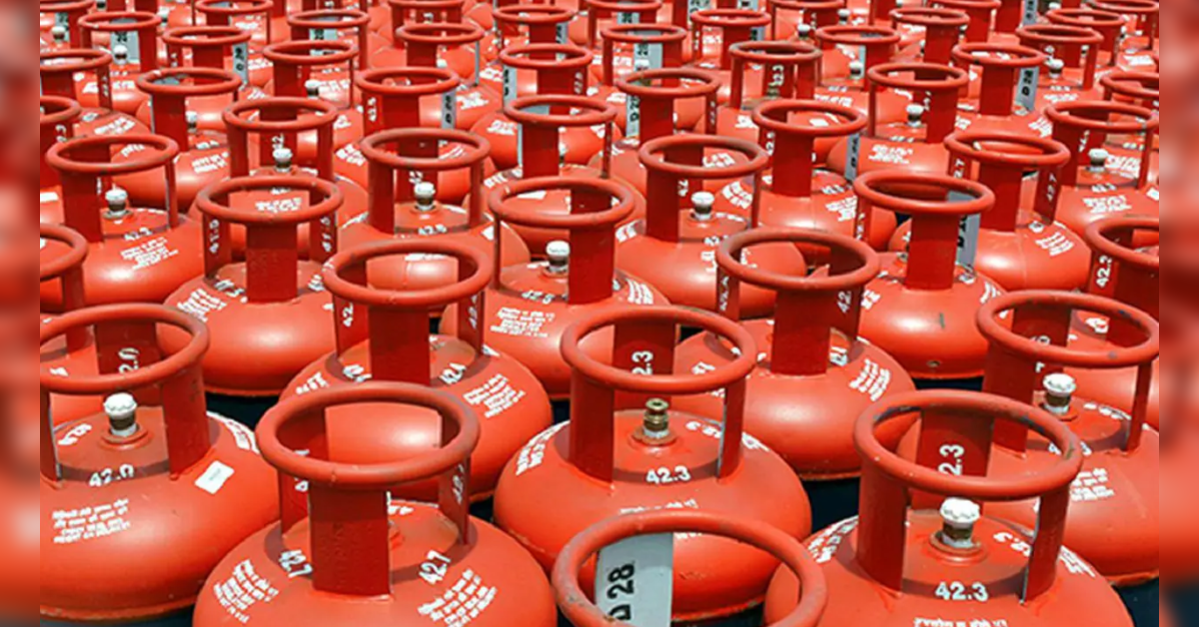
India’s ongoing commitment to expanding access to clean cooking fuel represents a significant and sustained demand driver within the global energy landscape. The recent government approval to release an additional 2.5 million free LPG connections under the Pradhan Mantri Ujjwala Yojana (PMUY) program is not merely a social initiative; it’s a powerful economic catalyst. This expansion pushes the total PMUY connections to an impressive 105.8 million, cementing India’s position as a critical growth engine for LPG consumption. For oil and gas investors, understanding the mechanics of this program, its interaction with global energy prices, and the forward implications of upcoming market events is paramount to identifying strategic opportunities in a market increasingly defined by evolving demand centers.
The Structural Demand Surge from India’s LPG Initiative
The latest allocation of 2.5 million deposit-free LPG connections underscores the Indian government’s unwavering focus on energy access. This initiative, backed by a substantial expenditure of ₹676 crore, directly translates into guaranteed future demand. The financial outlay includes ₹512.5 crore for the connections themselves, costing ₹2,050 per connection, alongside a crucial ₹160 crore earmarked for a targeted subsidy of ₹300 per 14.2 kg domestic LPG cylinder, applicable for up to nine refills annually. Beneficiaries receive not only a free connection but also the first refill and a stove, effectively removing initial cost barriers. This comprehensive approach, allowing flexibility for 14.2 kg or 5 kg cylinder choices, ensures high adoption rates. For Oil Marketing Companies (OMCs) operating in India, this continuous rollout, from the initial 8 crore target in 2016 to the 10.33 crore connections achieved by July 2025 and now beyond, represents a structural increase in throughput and sales volumes, offering a predictable, albeit subsidized, revenue stream that differentiates the Indian market from more mature, stagnant demand regions.
Navigating Global Crude Volatility: Implications for Indian OMCs
While India’s domestic LPG demand surges, the financial health of the program and the OMCs delivering it remain intrinsically linked to global crude prices. As of today, April 17, 2026, Brent crude trades at $98.14 per barrel, reflecting a 1.26% decline, while WTI crude is at $89.55, down 1.78%. This current market snapshot follows a notable trend: over the past 14 days, Brent crude has seen a significant downturn, dropping from $112.57 on March 27 to $98.57 by April 16, a substantial 12.4% decrease. This volatility is a double-edged sword for India. Lower crude prices can alleviate the import bill for LPG and reduce the financial burden of subsidies on the government and OMCs. However, the inherent unpredictability poses a constant risk to margin stability. Investors are keenly focused on these dynamics; our proprietary reader intent data reveals a strong interest in “What are OPEC+ current production quotas?” and “What is the current Brent crude price?”, highlighting market participants’ concerns about supply-side influences on pricing and their direct impact on government subsidy outlays and OMC profitability. Managing this exposure through hedging strategies or government compensation mechanisms remains a critical factor for OMCs.
Forward Momentum: Upcoming Events and Their Influence on LPG Economics
The sustainability and profitability of India’s ambitious LPG program are not just dictated by domestic policy but are significantly influenced by a confluence of global energy market events. The coming fortnight is particularly active for the energy sector. Investors should pay close attention to the OPEC+ Joint Ministerial Monitoring Committee (JMMC) meeting today, April 17th, followed by the full OPEC+ Ministerial Meeting tomorrow, April 18th. Any decisions regarding production quotas emerging from these gatherings could trigger significant shifts in crude oil prices, directly impacting the cost of LPG feedstock and, consequently, the financial viability of India’s subsidy program. Further market signals will come from the regular weekly data releases: the API Weekly Crude Inventory on April 21st and 28th, and the EIA Weekly Petroleum Status Report on April 22nd and 29th, which will offer insights into U.S. supply and demand. The Baker Hughes Rig Count on April 24th and May 1st will provide a leading indicator of future drilling activity. These events collectively shape the global oil price environment, directly influencing the import costs for India’s OMCs and the financial strain on the government’s ₹300 per cylinder subsidy. Monitoring these upcoming catalysts is crucial for investors assessing the future earnings potential of companies with exposure to the Indian LPG market.
Investment Outlook: Sustained Demand and Strategic Positioning in India’s Energy Transition
The expansion of the PMUY program represents more than just a fleeting government initiative; it is a foundational pillar of India’s ongoing energy transition and a robust, long-term demand driver for LPG. With over 10.33 crore connections already released as of July 2025, and now an additional 2.5 million approved, the program demonstrates consistent growth and effective implementation, supported by a streamlined, technology-enabled eKYC process for new applicants. This commitment to ‘clean cooking fuel’ for a massive population segment ensures a predictable, expanding customer base for India’s OMCs. While the global crude market introduces volatility, as evidenced by Brent’s recent 12.4% decline over 14 days, the sheer scale of India’s domestic LPG demand provides a stabilizing force. Investors looking for growth opportunities in the energy sector should consider the Indian market’s unique dynamics: a government-backed initiative driving fundamental demand, a vast and underserved consumer base, and OMCs that are integral to this nationwide rollout. The blend of social imperative and commercial opportunity positions the Indian LPG sector as a compelling, albeit complex, investment thesis, requiring a keen eye on both domestic policy and international commodity markets.


