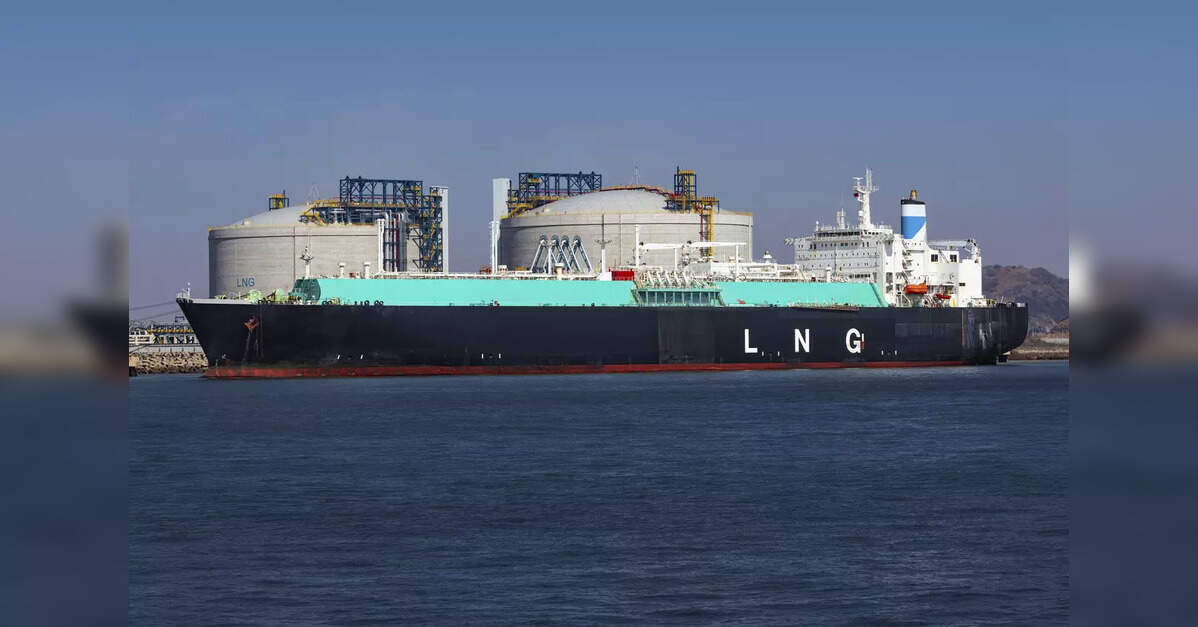
The global shipping industry stands at a critical juncture, facing immense pressure to decarbonize while maintaining operational efficiency and cost-effectiveness. In this complex landscape, liquefied natural gas (LNG) bunkering is rapidly emerging as a dominant solution, poised for explosive growth in the coming years. Our proprietary market analysis indicates a robust investment thesis for LNG as a marine fuel, with projected demand doubling by 2030. This isn’t just a trend; it’s a strategic shift driven by an confluence of abundant supply, stringent environmental regulations, and a pragmatic assessment of available infrastructure, presenting compelling opportunities for savvy energy investors.
The Inevitable Rise of LNG as a Marine Fuel
The trajectory for LNG as a marine fuel is unequivocally upward. Industry experts project global LNG bunkering volumes to exceed 4 million tons by the close of 2025, with a significant surge to at least double that by 2030. French energy major TotalEnergies, a key player in the bunkering space, is even more bullish, forecasting demand for LNG and bio-LNG bunkers to hit 15 million tons annually by the end of the decade. This exponential growth is underpinned by several powerful drivers. First, the global push for reduced emissions, with shipping accounting for nearly 3% of worldwide emissions, is forcing shipowners to adopt cleaner fuel alternatives. Second, massive LNG export projects, particularly from the United States and Qatar, are anticipated to create a substantial supply glut by 2030. This oversupply is expected to drive down LNG prices, significantly enhancing its economic competitiveness against conventional, more polluting fuel oils.
Infrastructure is another critical differentiator. While greener alternatives like methanol and ammonia grapple with nascent supply chains and limited bunkering facilities, LNG benefits from an established global network. As of today, 781 dual-fuelled ships are capable of running on LNG, a number that ship certifier DNV expects to climb to 1,417 by 2030 based on current order books, with further increases anticipated as new orders are confirmed. Leading bunkering hubs like Singapore, which topped global LNG bunkering activity in Q3, along with China and the Netherlands, are actively expanding their capacity, further solidifying LNG’s advantage. This combination of regulatory pressure, favorable supply dynamics, and existing infrastructure makes LNG a compelling, immediate decarbonization pathway for the shipping sector, offering a quantifiable 19% reduction in “well-to-wake” emissions compared to traditional fuel oil.
Navigating Market Volatility: Crude Prices and LNG’s Competitive Edge
While the long-term outlook for LNG bunkering appears robust, investors must remain attuned to the broader energy market dynamics that influence its near-term competitiveness. As of today, Brent Crude trades at $90.38 per barrel, marking a significant decline of 9.07% within the day and a steeper drop from $112.78 just two weeks ago. Similarly, WTI Crude is at $82.59, down 9.41%. This substantial softening in crude prices, with Brent having fallen by nearly 20% since March 30th, naturally makes conventional bunker fuels more affordable. However, the anticipated LNG supply glut by 2030 suggests that LNG prices could experience even more pronounced downward pressure. This scenario could ensure LNG maintains or even expands its cost advantage, a primary concern for shipowners seeking the “lowest cost” fuel option. We’ve seen from reader queries that investors are keenly focused on future oil prices, with questions like “what do you predict the price of oil per barrel will be by end of 2026?” frequently surfacing. The answer to this directly impacts the relative economics of LNG investments. If crude prices rebound sharply, LNG’s cost-effectiveness may be challenged; conversely, sustained low crude prices combined with a burgeoning LNG supply could solidify its position as the preferred alternative fuel.
Strategic Decisions on the Horizon: Impact of Upcoming OPEC+ Meeting
The immediate direction of crude oil prices, and by extension the relative attractiveness of LNG bunkering, will be heavily influenced by key upcoming calendar events. Investors should closely monitor the OPEC+ Full Ministerial Meeting scheduled for April 19th. Any decision by the cartel regarding production quotas could significantly alter the global oil supply landscape. A surprise production cut could send crude prices soaring, instantly improving LNG’s competitive standing. Conversely, a decision to maintain or increase output amidst current market weakness could exert further downward pressure on crude, potentially narrowing LNG’s cost advantage in the short term, unless LNG supply growth outpaces expectations. Beyond the OPEC+ meeting, weekly data releases such as the API Crude Inventory on April 21st and the EIA Weekly Petroleum Status Report on April 22nd, followed by similar reports the subsequent week, will provide crucial insights into inventory levels and overall petroleum demand. These reports, alongside the Baker Hughes Rig Count on April 24th and May 1st, offer real-time indicators of supply-demand balances, which are essential for forecasting the conventional fuel price environment against which LNG must compete. Investors asking about “OPEC+ current production quotas” underscore the critical importance of these events in shaping the energy market’s future.
Infrastructure and Innovation: Paving the Way for LNG Dominance
While the economic case for LNG is strengthened by market dynamics, its widespread adoption is largely due to its practical advantages over other alternative marine fuels. The crucial factor is that “the infrastructure is there,” as industry executives emphasize. This readily available infrastructure provides a tangible advantage that cleaner alternatives like renewable methanol and ammonia currently lack. Production of these fuels remains in its infancy, with limited bunkering capabilities and a significant gap in economic competitiveness against conventional fuels. This makes them less viable for widespread adoption in the immediate to medium term. Companies like Mitsui O.S.K. Lines, operating a substantial fleet, highlight LNG as “a realistic decarbonisation option for shipping in terms of availability, cost-effectiveness, and safety” until truly zero-emission fuels become widely accessible. Even shipping giant Maersk, initially focused on green methanol, has recently placed orders for 20 LNG dual-fuelled container ships for delivery between 2028 and 2030, signaling a broader industry consensus on LNG’s critical role in the transition. The commitment from major players to LNG-powered vessels, coupled with continuous investment in bunkering facilities across key global maritime routes, solidifies LNG’s position as the leading alternative fuel for shipping through at least 2030 and likely beyond, creating a robust and expanding market for investors to consider.


