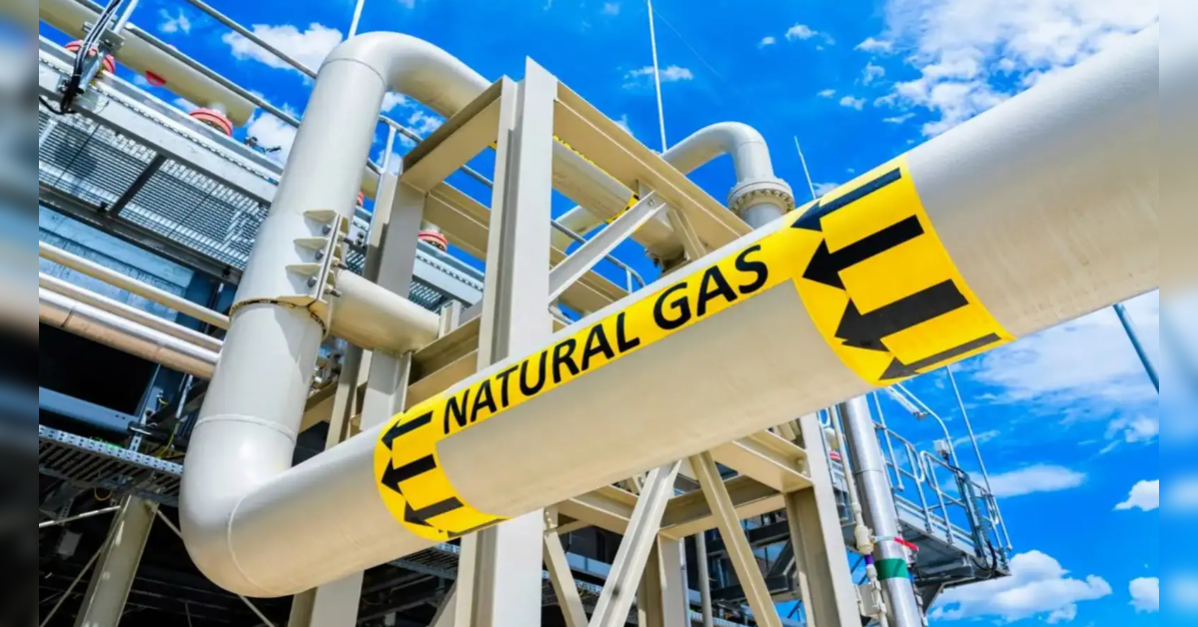
The landscape of India’s energy transition continues to evolve at an accelerated pace, underscored by strategic alliances that bridge industrial demand with cleaner fuel sources. A prime example is the significant agreement inked in September 2025 between GAIL (India) Ltd and Tata Steel, a deal poised to shape the energy consumption patterns of one of India’s industrial behemoths. This long-term natural gas supply contract for Tata Steel’s Combi-Mill plant in Jamshedpur is more than just a transaction; it represents a tangible commitment to decarbonization within a heavy industry and signals a robust growth trajectory for natural gas infrastructure in India. For investors, this alliance provides crucial insights into India’s energy future, highlighting the dual drivers of industrial expansion and environmental sustainability.
India’s Natural Gas Imperative: A Strategic Growth Driver for GAIL
GAIL’s agreement to supply natural gas to Tata Steel until March 2026, with an initial volume of 31,000 standard cubic meters per day (SCMD) escalating to 43,000 SCMD thereafter, firmly positions natural gas as a critical component of India’s industrial energy matrix. This deal, which commenced supply by the end of September 2025, is a landmark achievement for GAIL, representing the largest industrial customer onboarding across its City Gas Distribution (CGD) projects in key regions like Varanasi, Patna, Ranchi, East Singhbhum, Cuttack, and Kordha. The commissioning of a dedicated 23-kilometer pipeline to connect the Combi-Mill plant highlights the necessary infrastructure investment accompanying this transition. This move by Tata Steel towards natural gas is not merely about securing supply; it’s a strategic embrace of a cleaner, more cost-effective, and operationally convenient energy solution, aligning with global mandates for reducing carbon footprints in steel production. For investors eyeing the Indian energy sector, GAIL’s aggressive expansion in industrial gas supply, exemplified by this deal and its stated plans to connect additional industrial establishments, underscores its role as a key player in monetizing the nation’s energy transition.
Current Market Dynamics: Natural Gas Resilience Amidst Crude Volatility
In a global energy market characterized by significant flux, the stability offered by long-term natural gas contracts for industrial giants like Tata Steel stands in stark contrast to the persistent volatility in crude prices. As of today, Brent crude trades at $98.17, reflecting a modest 1.23% decline within a tight day range of $97.92 to $98.67. This price point represents a considerable shift from just two weeks ago, with Brent having fallen from $112.57 on March 27th to $98.57 by April 16th – a significant 12.4% drop. WTI crude mirrors this trend, currently quoted at $89.76, down 1.55%. Such fluctuations in the oil market underscore the strategic advantage for industries to diversify their energy mix towards more stable and domestically available fuels like natural gas. For natural gas, while not immune to broader energy market sentiment, the underlying demand driven by industrial conversion and expansion, particularly in high-growth economies like India, offers a degree of insulation. The predictable, escalating volumes committed by Tata Steel to GAIL demonstrate a clear commitment to natural gas irrespective of short-term crude price swings, signaling robust, fundamental demand growth for gas infrastructure providers.
Investor Focus: Decarbonization, Demand Growth, and Forward-Looking Analysis
Our proprietary reader intent data consistently reveals a deep investor interest in understanding the drivers of energy markets, with frequent queries pertaining to current Brent crude prices and the analytical models that provide such insights. This thirst for robust, forward-looking analysis extends to comprehending how major industrial deals contribute to the decarbonization narrative and shape future demand profiles. GAIL’s partnership with Tata Steel directly addresses these investor concerns. The deal signifies a tangible step towards reducing the carbon footprint of India’s steel sector, a critical element for investors prioritizing ESG (Environmental, Social, and Governance) factors. Moreover, the long-term, escalating volume commitment by Tata Steel provides a clear runway for GAIL’s revenue growth and reinforces the investment thesis for India’s natural gas infrastructure. Investors are increasingly seeking out companies that demonstrate resilient demand growth in key sectors and a clear strategy to capitalize on the global energy transition. GAIL’s strategic onboarding of significant industrial customers in its CGD areas, alongside its broader infrastructure expansion, positions it favorably within this investment landscape.
Navigating Future Volatility: Upcoming Events and Gas Market Outlook
The coming weeks are packed with critical energy events that will undoubtedly shape market sentiment and commodity prices, with ripple effects across the entire energy complex, including natural gas. The highly anticipated OPEC+ Joint Ministerial Monitoring Committee (JMMC) meeting on April 17th and the full Ministerial meeting on April 18th will dictate global crude supply strategies. While these directly impact oil, their outcomes influence broader economic activity and investment flows, thereby indirectly affecting the demand for all energy sources. Closer to home for market fundamentals, the API and EIA weekly crude inventory reports on April 21st/22nd and April 28th/29th will offer fresh perspectives on supply-demand balances in the petroleum sector. Additionally, the Baker Hughes Rig Count on April 24th and May 1st will provide insights into drilling activity and potential future production trends. For natural gas, continued industrial expansion, as evidenced by GAIL’s stated ambition to connect additional establishments in the region, provides a strong counter-narrative to potential headwinds in the crude market. Investors should monitor these upcoming events not just for their immediate impact on oil, but for their broader implications on the energy transition narrative and the sustained demand for cleaner fuels like natural gas in burgeoning industrial economies.


