The global energy landscape is undergoing a profound transformation, and astute oil and gas investors understand that signals from seemingly disparate sectors, such as electric vehicle advancements, are crucial for long-term strategic positioning. Recent developments from a prominent EV manufacturer, including significant range enhancements and, critically, expanded access to the extensive Tesla Supercharger network, are more than just automotive news; they represent a tangible acceleration in EV convenience. This growth directly challenges the dominance of internal combustion engines, pushing the timeline for peak oil demand closer and demanding a re-evaluation of investment theses across the hydrocarbon value chain.
The Accelerating EV Threat: Convenience and Range Erase Barriers
The continuous evolution of electric vehicles is steadily dismantling the key barriers to mass adoption: range anxiety and charging infrastructure. The forthcoming 2026 lineup from a luxury EV maker exemplifies this progress, with models like the Air Touring increasing its EPA-estimated range by over six percent to an impressive 431 miles, while the Air Grand Touring retains a formidable 512 miles. These figures, coupled with standard upgrades like an improved air conditioning compressor and optional features like massaging seats, enhance the overall ownership experience, making EVs increasingly competitive with premium gasoline vehicles on comfort and capability.
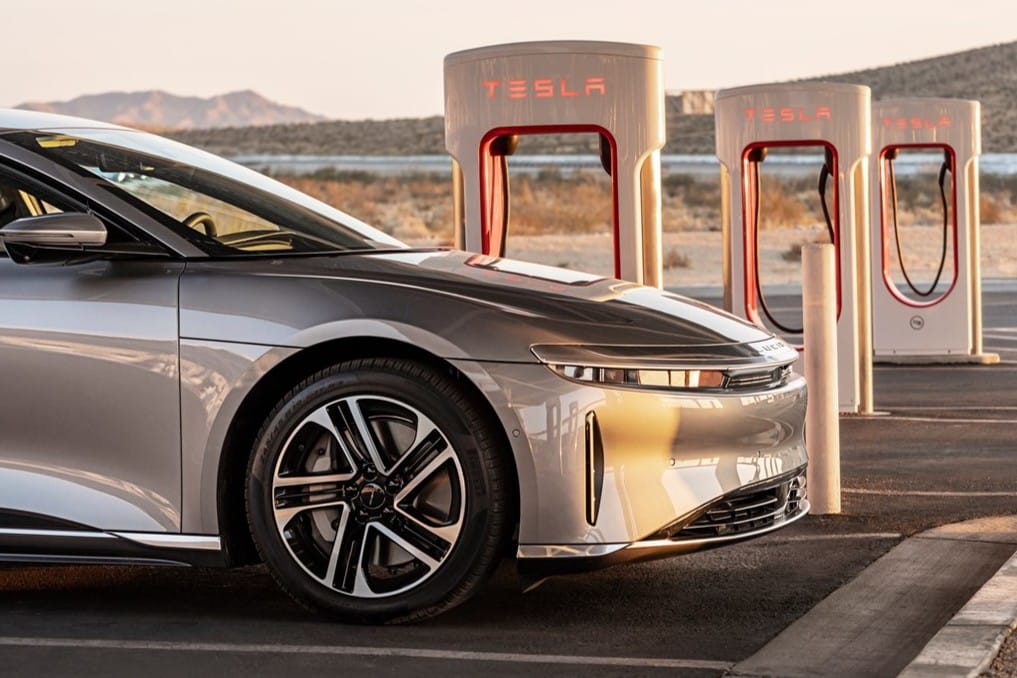
However, the most significant development impacting future oil demand is the announcement that, from July 31, 2025, all models from this manufacturer will gain access to over 23,500 Tesla Superchargers across North America via an approved adapter. This interoperability is a game-changer. It dramatically expands the accessible charging infrastructure, reducing consumer apprehension about long-distance travel and daily charging logistics. With charging speeds reaching up to 50 kW, capable of adding 200 miles of range per hour, the convenience factor for EV owners is amplified, directly eroding a core advantage historically held by gasoline vehicles. This move, following a prior commitment to integrate the NACS port in future models, signals a broader industry shift towards a unified charging ecosystem, which will only accelerate the transition away from fossil fuels in the transportation sector.
Current Crude Dynamics Amidst the Long-Term Shift
While the long-term trajectory points towards increasing EV penetration and its implications for oil demand, the short-term crude market continues to navigate its own complex dynamics. As of today, Brent crude trades at $94.72 per barrel, experiencing a modest dip of 0.22% within a day range of $94.42 to $94.91. Similarly, WTI crude sits at $90.97, down 0.35% for the day, trading between $90.52 and $91.50. Gasoline prices, a direct proxy for consumer demand, hover around $2.99 per gallon. This current stability, however, follows a more significant correction over the past two weeks, where Brent shed approximately 12.4%, falling from $108.01 on March 26 to $94.58 by April 15. This recent decline suggests that while geopolitical risks provide a floor, underlying concerns about global economic growth or shifting supply-demand balances are exerting downward pressure.
For oil and gas investors, this immediate market volatility highlights the tension between day-to-day price drivers and the creeping structural shifts. Our proprietary reader intent data reveals a strong focus on forecasting future crude prices, with many investors actively seeking a “base-case Brent price forecast for next quarter” and the “consensus 2026 Brent forecast.” While current prices are influenced by myriad factors from geopolitical tensions to inventory levels, the long-term erosion of demand from increasingly convenient EVs must be a central pillar in any robust forecast, tempering overly bullish long-term outlooks.
Navigating the Future: Key Events and Investor Questions
The coming weeks present several critical data points and events that will shape the immediate to medium-term outlook for crude prices. The upcoming OPEC+ Joint Ministerial Monitoring Committee (JMMC) meeting on April 18, followed by the Full Ministerial meeting on April 20, will be crucial. These gatherings will provide insights into the cartel’s production policy, which remains a dominant factor in global supply. Any signals regarding output adjustments, whether cuts or increases, will directly impact market sentiment and price discovery.
Beyond OPEC+, weekly industry data points continue to offer vital transparency. The Baker Hughes Rig Count, scheduled for release on April 17 and April 24, will indicate drilling activity and future supply trends in key regions. Simultaneously, the API Weekly Crude Inventory reports on April 21 and April 28, followed by the EIA Weekly Petroleum Status Reports on April 22 and April 29, will detail crude and product inventory levels, serving as a pulse check on immediate supply-demand balances within the crucial U.S. market. Investors, keenly asking about Chinese refinery runs and Asian LNG spot prices, understand that global demand signals are equally important. While these immediate catalysts drive short-term trading decisions, the overarching narrative of demand erosion from EV adoption must inform longer-term strategic planning, influencing how investors interpret these weekly and monthly data releases.
Investment Implications: Re-evaluating Peak Oil Timelines
The confluence of enhanced EV capabilities and expanded charging infrastructure marks a significant inflection point for the oil and gas sector. The improvements in range, charging speed, and network accessibility, as demonstrated by the recent EV announcements, directly address the practical limitations that have historically slowed EV adoption. These advancements, particularly the widespread access to the Tesla Supercharger network, accelerate the viability and desirability of EVs for a broader consumer base, including those considering larger, longer-range vehicles.
For oil and gas investors, this translates into a potentially accelerated timeline for peak oil demand. While the exact year remains a subject of debate, the direction is clear, and the pace is quickening. Investment strategies must therefore evolve beyond simple supply-side economics. Companies that are agile, focused on operational efficiency, and actively diversifying into lower-carbon energy solutions are likely to be better positioned. Investors should scrutinize balance sheets for resilience, evaluate capital expenditure plans for alignment with a transitioning energy landscape, and assess exposure to demand-sensitive product segments like gasoline. The long-term winners in the oil and gas space will be those that not only navigate the immediate market fluctuations but also strategically adapt to the fundamental shift driven by growing EV convenience and the inevitable march towards a post-peak oil world.