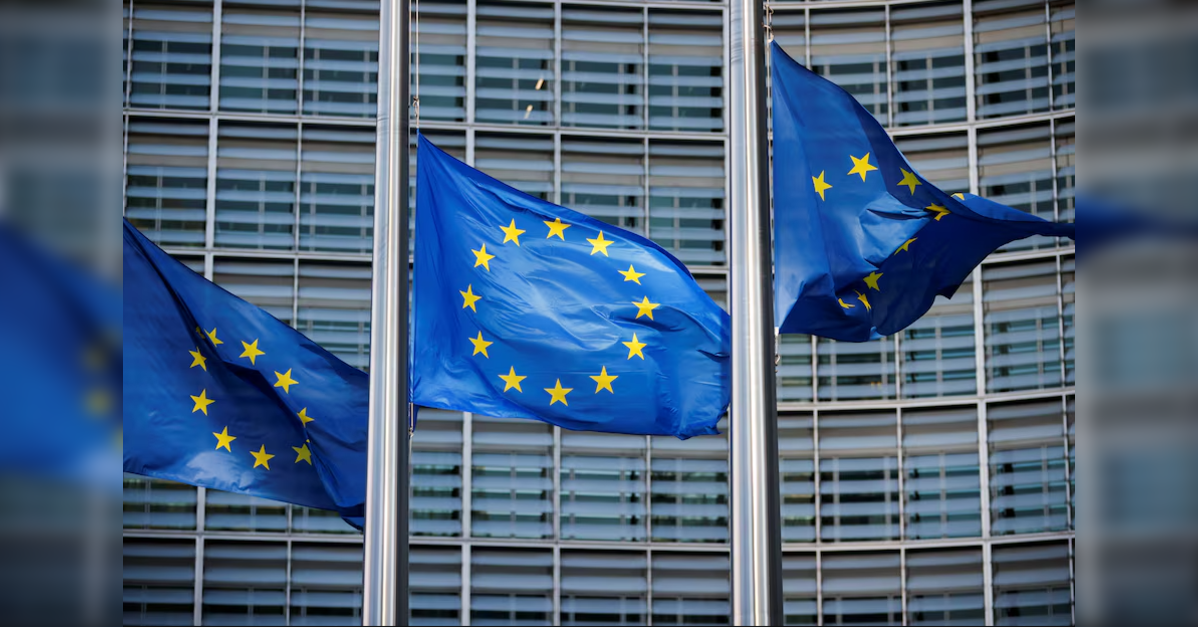
The European Union stands on the precipice of a significant energy policy shift, with proposals to accelerate a ban on Russian liquefied natural gas (LNG) imports forming the core of its 19th sanctions package against Moscow. This aggressive move, slated for presentation to member states this Friday, marks a pivotal moment for global energy markets, potentially reshaping supply dynamics and intensifying price volatility. While the EU has been working towards a complete phase-out of Russian fossil fuels by January 1, 2028, this accelerated timeline signals a heightened geopolitical resolve, compelling investors to re-evaluate their positions in an increasingly complex landscape.
The Shifting Sands of EU Energy Policy and Immediate Market Signals
The latest push for an expedited Russian LNG ban represents a notable escalation from earlier this year, when plans to sanction LNG imports were shelved in favor of merely banning trans-shipments at EU ports. This renewed vigor, following high-level discussions between EU and US leaders, underscores a growing urgency to decouple from Russian energy sources. Currently, Russian gas still accounts for approximately 19% of Europe’s total gas supply, primarily through LNG shipments to nations like Spain, Belgium, the Netherlands, and France, as well as pipeline flows via TurkStream to Slovakia, Hungary, and Bulgaria. Disrupting these flows prematurely could trigger a scramble for alternative supplies, with significant implications for natural gas prices globally.
Despite the looming prospect of tighter gas supplies, the broader crude oil market has shown a recent downward trend. As of today, Brent crude trades at $98.13, down 1.27% within a daily range of $97.92 to $98.67. Similarly, WTI crude is priced at $89.72, reflecting a 1.59% decline today and ranging between $89.57 and $90.26. This recent softening in oil prices is part of a larger trend, with Brent having declined by approximately $14, or 12.4%, from $112.57 on March 27 to $98.57 on April 16. This disconnect highlights the nuanced interplay of various market forces; while gas markets face potential supply tightening from sanctions, crude oil prices are influenced by broader macroeconomic concerns, demand outlooks, and ongoing supply from other major producers.
Investor Focus: Supply Security and Price Volatility Amidst Geopolitical Pressures
Investors are keenly focused on the reliability of global energy supply chains and the potential for price spikes. The accelerated timeline for a Russian LNG ban directly impacts these concerns, particularly given Europe’s continued reliance on Russian gas. Questions regarding OPEC+ current production quotas and the stability of Brent crude pricing reflect this anxiety among our readership. The immediate challenge lies in replacing the nearly one-fifth of Europe’s gas supply that still originates from Russia. While some energy majors, like TotalEnergies, previously indicated a need for Russian gas until late 2027 to ensure a smooth transition, this new proposal could force a much faster pivot.
The ramifications extend beyond the EU’s borders. US pressure on Europe to fully halt Russian oil purchases and impose tariffs on major Russian fossil fuel buyers like China and India signals a broader strategy to isolate Moscow economically. Should these demands gain traction, they could lead to a significant realignment of global energy trade flows, potentially creating new bottlenecks and price premiums in alternative supply regions. The market will be watching closely for any indications of how Europe plans to rapidly secure additional LNG volumes from sources like the US, Qatar, or Australia, and the resultant impact on global spot prices and long-term contract negotiations.
A Critical Week for Global Energy Markets: EU Sanctions Meet OPEC+ Decisions
The convergence of critical events in the coming days sets the stage for potential market volatility. This Friday, April 17, is not only the day the EU’s proposed 19th sanctions package, including the accelerated LNG ban, is expected to be presented to member states, but it also marks the scheduled OPEC+ Joint Ministerial Monitoring Committee (JMMC) meeting. This will be followed by the full OPEC+ Ministerial Meeting on Saturday, April 18. The timing is crucial: while Europe grapples with securing its gas supply, OPEC+ will be deliberating on crude oil production levels that could either stabilize or further disrupt the global energy balance.
Any decision by OPEC+ to maintain or further cut production could amplify the market’s reaction to tighter European gas supplies, particularly if there’s an increase in gas-to-oil switching in industrial sectors. Investors should also monitor the API Weekly Crude Inventory report on Tuesday, April 21, and the EIA Weekly Petroleum Status Report on Wednesday, April 22, for insights into immediate supply-demand balances in the crucial US market. These reports, alongside the Baker Hughes Rig Count on Friday, April 24, provide a comprehensive picture of the global supply trajectory, informing strategic investment decisions in an environment characterized by rapid policy shifts and geopolitical tensions.
Long-Term Outlook: Diversification, Infrastructure, and Investment Opportunities
Beyond the immediate market reactions, the accelerated Russian LNG ban underscores a long-term commitment to energy independence and diversification for Europe. This policy pivot will necessitate significant investment in new LNG import infrastructure, regasification terminals, and expanded pipeline networks for non-Russian gas sources. Countries like Spain, which already possess substantial regasification capacity, could emerge as critical hubs for redirecting global LNG flows into the European grid. For investors, this creates distinct opportunities in companies involved in LNG shipping, terminal construction, and gas infrastructure development.
Furthermore, the drive to replace Russian gas will likely intensify competition for global LNG supplies, potentially leading to sustained higher prices for natural gas in the medium term. This environment could favor North American LNG exporters and project developers. While the EU’s ultimate goal remains a complete phase-out by 2028, the proposed acceleration suggests a willingness to absorb higher costs and potential short-term disruptions for long-term strategic objectives. Prudent investors will be evaluating companies with robust balance sheets, diversified asset portfolios, and strategic positioning in key growth areas of the global energy transition, ready to capitalize on the evolving supply-demand dynamics.


