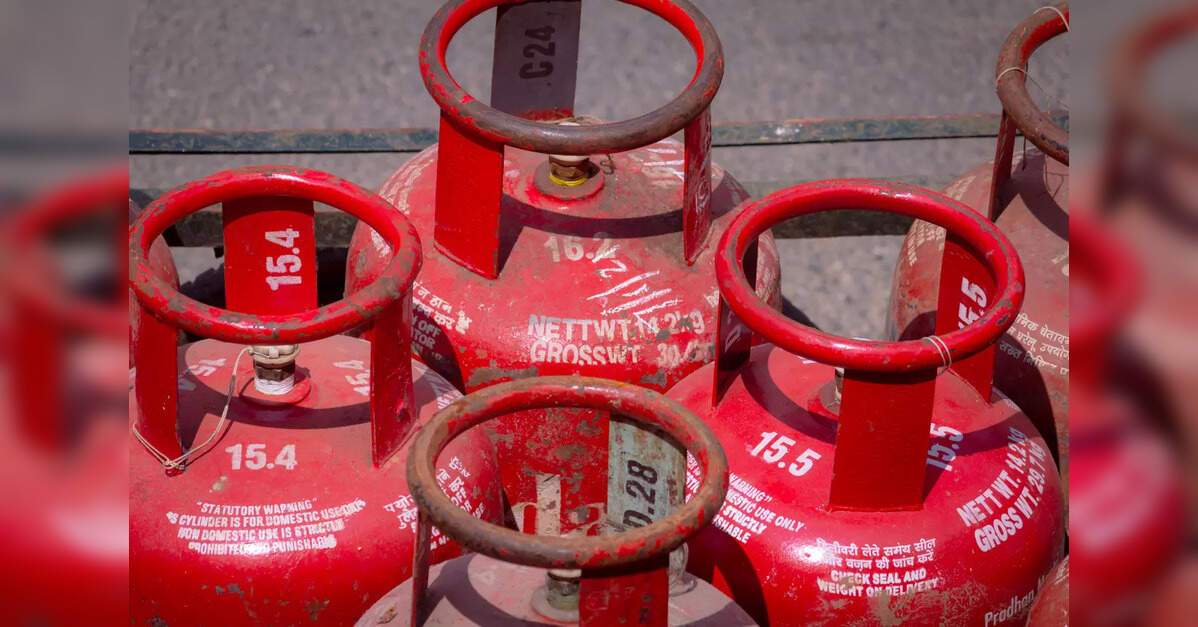
The global energy landscape is constantly shifting, but few transitions hold as much long-term significance for natural gas and LPG markets as India’s accelerating pivot towards electric cooking. While daily market fluctuations often capture investor attention, a recent analysis highlights the compelling cost advantage of electricity over traditional fossil fuels for household cooking in India, signaling a potential structural demand headwind for gas and LPG. This evolving dynamic underscores the complex challenges facing oil and gas investors, who must balance immediate market reactions with strategic positioning for profound shifts in consumer energy consumption patterns.
India’s E-Cooking Momentum: A Brewing Demand Threat
India, a colossal energy importer, is poised for a significant domestic energy transition in its cooking sector. Analysis reveals that electricity-based cooking (e-cooking) was notably cheaper than both piped natural gas (PNG) and non-subsidized liquefied petroleum gas (LPG) in FY2024-25. Specifically, e-cooking presented a 14% cost advantage over PNG and a substantial 37% saving compared to non-subsidized LPG. Even when considering India’s universal LPG subsidy, electricity remains competitive without imposing an additional fiscal burden, making it an attractive proposition for both consumers and the government.
This economic advantage is critical given India’s increasing exposure to volatile global markets. The nation’s LPG and LNG import bills have surged by 50% over the past six years, directly impacting household budgets. The annual cost of cooking fuel for a family of four using PNG has escalated by 47% to ₹6,657 in FY2024-25, while non-subsidized LPG users have seen a 23% increase to ₹6,424 in the same period. These escalating costs, combined with India’s drive for energy security and reduced import dependence, create a powerful incentive for a widespread shift to e-cooking, setting the stage for potential long-term demand erosion in the country’s vast gas and LPG markets.
Navigating Volatility: E-Cooking as a Long-Term Anchor
As oil and gas investors grapple with short-term market volatility, the underlying structural shifts like India’s e-cooking transition gain increased prominence. As of today, Brent crude trades sharply lower at $90.38 per barrel, marking a significant 9.07% decline within the day, with WTI crude following suit at $82.59, down 9.41%. This steep daily drop follows a broader trend, with Brent having shed nearly 20% over the past 14 days, falling from $112.78 to its current level. Gasoline prices also reflect this bearish sentiment, currently at $2.93, down 5.18%.
While such dramatic price movements demand immediate attention, the e-cooking narrative provides a crucial long-term anchor for analysis. Even with current dips in global crude and product prices, the fundamental cost-effectiveness of electricity for cooking in India remains compelling. This reinforces the argument that regardless of temporary market fluctuations, the economic rationale for India to reduce its reliance on imported, price-volatile fossil fuels for domestic consumption holds firm. For investors in LNG and LPG infrastructure or producers reliant on Indian demand, these long-term signals of demand destruction cannot be overlooked amidst the daily market noise.
Policy Catalysts and Investor Outlook for 2026
Despite the clear cost benefits and 100% household electrification, the adoption of e-cooking in India has been slow, primarily due to high initial device costs, limited consumer awareness, and a lack of targeted policy support. To accelerate this transition, a multi-pronged policy approach is essential. Key recommendations include subsidies for e-cooking devices, robust consumer awareness campaigns, incentives for manufacturers to scale production and innovate, and state-led demonstration projects to build confidence and overcome initial barriers.
This policy push directly ties into questions many investors are currently asking, such as “what do you predict the price of oil per barrel will be by end of 2026?” The acceleration of e-cooking adoption in India, driven by supportive policies, introduces a significant bearish demand factor that must be integrated into long-term price models for natural gas and LPG, and indirectly for crude oil. While geopolitical tensions and OPEC+ supply management strategies, which dictate “OPEC+ current production quotas,” will undoubtedly influence short-to-medium term price trajectories, the structural demand erosion from major consumption centers like India adds a layer of complexity that could cap upside potential in the coming years. Investors must evaluate how effectively producers can pivot or diversify their portfolios in anticipation of these evolving demand landscapes.
The Road Ahead: Monitoring Market Signals and Strategic Shifts
The coming weeks present a series of critical events that will offer further insights into the immediate market sentiment, even as the long-term e-cooking trend gathers pace. Investors will closely watch the OPEC+ Joint Ministerial Monitoring Committee (JMMC) Meeting on April 19th and the subsequent OPEC+ Ministerial Meeting on April 20th. These gatherings will reveal how the cartel intends to manage supply in response to recent price declines and broader demand signals, which now implicitly include the potential for structural demand shifts from initiatives like e-cooking.
Furthermore, the API Weekly Crude Inventory reports on April 21st and 28th, followed by the EIA Weekly Petroleum Status Reports on April 22nd and 29th, will provide crucial snapshots of current U.S. demand and supply dynamics. The Baker Hughes Rig Count on April 24th and May 1st will indicate upstream activity levels. For oil and gas investors, the challenge is two-fold: reacting to these immediate market data points while simultaneously positioning for the longer-term energy transition. The e-cooking trend in India serves as a potent reminder that the energy transition is not just about electric vehicles; it encompasses fundamental changes in household energy consumption that will reshape demand for specific fossil fuel products for decades to come, demanding strategic foresight from those invested in the sector.


