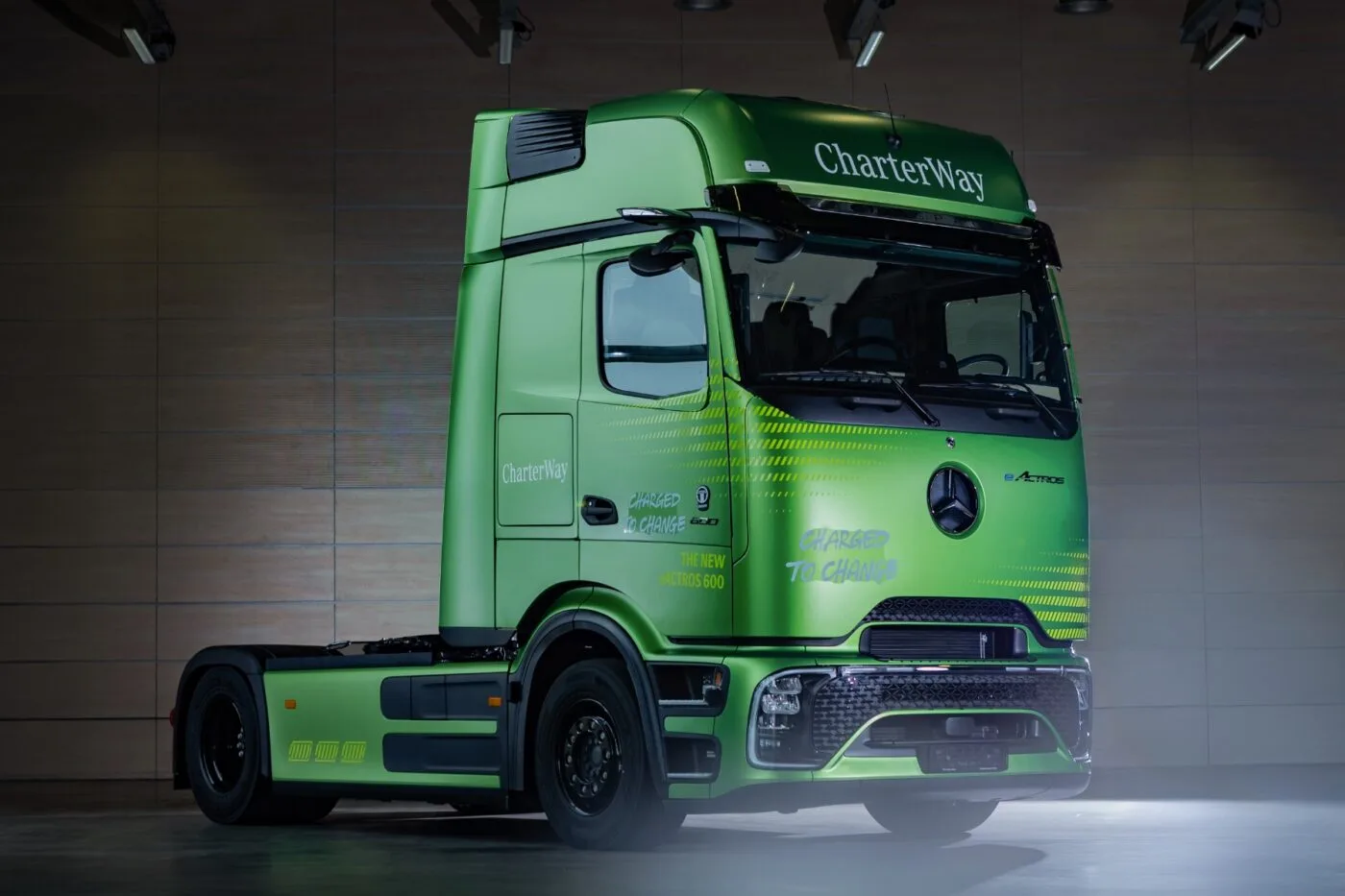
The global energy landscape is undergoing a profound transformation, and nowhere is this more evident than in the heavy-duty transport sector. A recent strategic expansion by Daimler Truck into electric vehicle (EV) rentals signals a significant acceleration of fleet electrification, placing mounting pressure on the traditional diesel fuel market. For investors in oil and gas, understanding these shifts is crucial as the viability of conventional fuel demand faces increasing headwinds.
Daimler Truck’s CharterWay brand, a prominent vehicle rental and service provider in Germany, has significantly broadened its offerings to include a comprehensive suite of electric trucks. Operating with terms ranging from a single day up to three years, this flexible approach is designed to lower barriers to EV adoption for logistics companies. While the precise proportion of electric vehicles within CharterWay’s 6,000-strong truck fleet remains undisclosed, the availability of various EV models, including the eActros 300, eActros 400, eEconic, eArocs 400 for construction, and the Fuso eCanter, alongside their diesel counterparts, highlights a clear commitment to electrifying commercial transport.
eActros 600 Rental: A Game Changer for Long-Haul Electrification
The latest and most impactful addition to the CharterWay portfolio is the Mercedes-Benz eActros 600. Daimler Truck previously announced plans to integrate over 100 units of this flagship electric model into its rental fleet this year, with availability commencing recently in June. This move is particularly significant as the eActros 600 is engineered for heavy-duty, long-distance haulage, a segment historically dominated by diesel engines. Martin Kehnen, CEO of CharterWay, emphasized the strategic rationale, stating that the eActros 600 provides “a sustainable and cost-effective alternative for heavy-duty haulage,” simplifying the entry into electromobility for businesses by mitigating financial risk.
The eActros 600, which entered series production in November 2024 with initial customer deliveries in December of the same year, represents Mercedes-Benz Trucks’ pinnacle of electric truck engineering. Its rapid market penetration is noteworthy; within weeks of its launch, online retail behemoth Amazon placed a monumental order for 200 units, marking the largest single electric truck order to date for Mercedes-Benz Trucks. Subsequent deliveries to other key logistics players, including Brummer Logistik, UK delivery network HIVED, and Lidl Italia, further underscore its growing acceptance. Even Daimler Truck’s own logistics partners are integrating the eActros 600 into their factory supply operations, demonstrating internal confidence in the technology.
Technical Prowess and Market Impact
The eActros 600 derives its designation from its impressive battery capacity, exceeding 600 kWh. This XXL electric truck boasts a newly developed electric drive axle delivering a continuous power output of 400 kW, with a peak capacity of up to 600 kW. Ingeniously, its design incorporates a “front box” in the former engine compartment, centralizing control units, high-voltage components, and the electric air compressor for optimized efficiency and packaging. Critically for long-haul operations, the eActros 600 offers a substantial range of 500 kilometers on a single charge. For rapid recharging, it supports CCS at up to 400 kW and is future-proofed for megawatt charging (MCS) once the standard is finalized. This technical capability directly addresses a key limitation of earlier electric truck models, enabling CharterWay customers to undertake long-distance journeys electrically without excessive charging interruptions.
The decision to expand the eActros 600 into the rental market aligns with a broader trend of strong growth in Europe’s commercial vehicle rental solutions. Daimler Truck has observed a rising preference among customers for integrated and flexible transport solutions, often favoring rental agreements over outright purchases. This shift is driven by a desire to manage capital expenditure, mitigate technology risks, and adapt quickly to fluctuating operational demands. A prime example of this trend is Hylane’s recent agreement to rent 30 eActros 600 units to the DHL Group under a pay-per-use model, illustrating the innovative financing and deployment strategies emerging in the electrified logistics sector.
Implications for Oil and Gas Investors
For investors focused on the oil and gas sector, Daimler Truck’s aggressive push into electric truck rentals, especially with a long-haul capable model like the eActros 600, represents a tangible threat to future diesel demand. Each electric truck deployed translates directly into reduced consumption of traditional fuels. As major logistics companies like Amazon and DHL embrace these solutions, even on a rental basis, it signals a significant structural shift in the fuel consumption profile of commercial fleets.
The “risk-free” entry into electromobility offered by rental schemes is particularly potent. It allows businesses to test the waters, understand operational nuances, and integrate EVs without the upfront capital commitment or the long-term asset depreciation concerns associated with outright purchase. This flexibility could accelerate the pace of electrification beyond what might be expected from direct sales alone. As more long-haul routes become viable for EVs, the core market for diesel fuel in road transport will incrementally erode. Oil and gas companies must closely monitor these developments, assessing the long-term implications for refining margins, fuel distribution networks, and overall demand forecasts. Diversification into alternative energy solutions, biofuels, or carbon capture technologies may become increasingly critical for maintaining investor value in a rapidly evolving energy landscape.