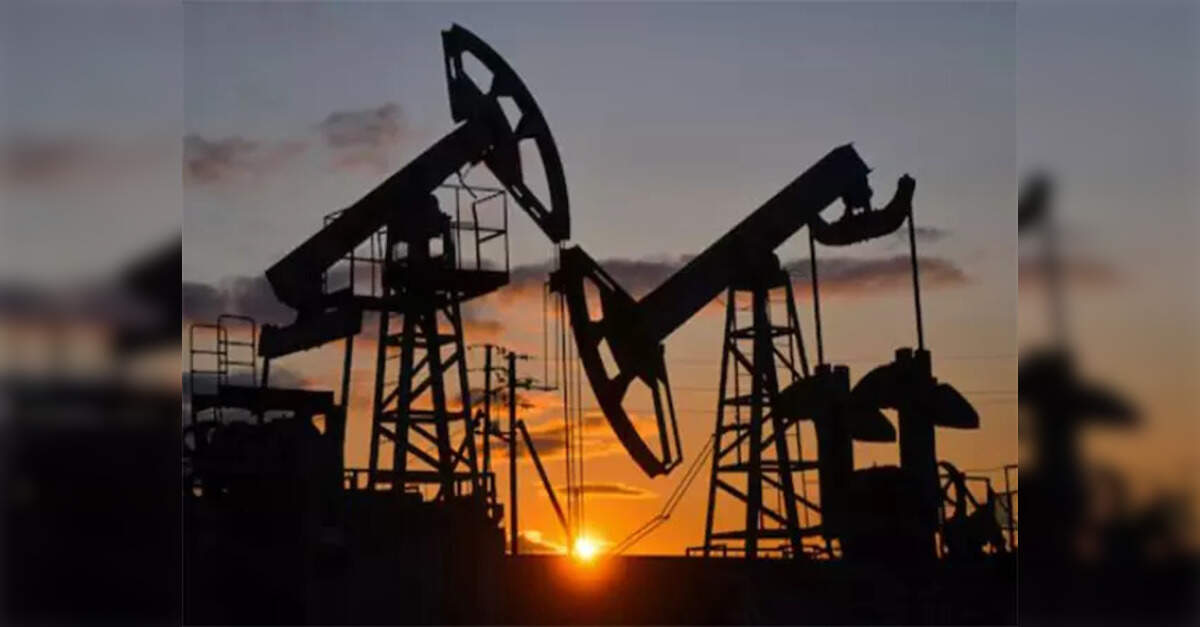
The global oil market is navigating a complex confluence of geopolitical recalibrations and macroeconomic signals, a dynamic reflected in recent price movements. Following the highly anticipated summit between the U.S. and Russian presidents, crude prices have experienced downward pressure, as the immediate threat of intensified measures targeting Russian oil exports appears to have receded. As of today, Brent crude futures trade at $94.25 per barrel, down 1.29% from yesterday’s close, oscillating within a day range of $93.98 to $95.69. Similarly, U.S. West Texas Intermediate (WTI) crude is priced at $85.90, marking a 1.74% decline, with its daily range between $85.50 and $86.78. This market reaction underscores investor sensitivity to geopolitical stability and the ongoing recalibration of energy supply dynamics.
Geopolitical Easing Tempers Supply Disruption Fears
The recent summit between the U.S. and Russian leaders, held last Friday, has introduced a degree of short-term stability to the energy markets, easing immediate concerns over the disruption of Russian oil flows. A key takeaway for investors was U.S. President Trump’s indication that he would not immediately pursue retaliatory tariffs on major importers of Russian oil, notably China, which remains the world’s largest buyer of Russian crude, followed by India. This decision, signaling a pause in escalating economic pressure, has temporarily cooled fears of a significant supply shock. As one market analyst from RBC Capital noted, the “status quo remains largely intact for now” regarding Russian oil exports. This perceived stability, even if potentially temporary, directly contributes to the current downward movement in crude prices, as the risk premium associated with tighter supply is partially unwound. Our proprietary 14-day Brent trend data further highlights this shift, showing a notable drop from $118.35 on March 31st to $94.86 on April 20th, representing a significant 19.8% decline. This substantial correction underscores how quickly market sentiment can pivot on geopolitical developments, especially concerning major producers.
Investor Questions: Navigating Uncertainty in the Energy Outlook
The nuanced outcome of the U.S.-Russia talks, particularly President Trump’s caveat about potentially revisiting tariffs “in two or three weeks,” has created a palpable sense of uncertainty among investors. Our first-party intent data reveals a surge in reader queries reflecting this anxiety, with common questions including “is WTI going up or down” and “what do you predict the price of oil per barrel will be by end of 2026?” These questions highlight the market’s struggle to price in the medium-term implications of a shifting geopolitical landscape. While the immediate threat of secondary sanctions on Russian oil buyers has abated, the possibility of future action looms. This creates a challenging environment for long-term price discovery, as market participants weigh the current supply stability against the potential for renewed disruption. The delicate balance between seeking a peace deal in Europe and maintaining pressure on Russia means that the geopolitical risk premium, though reduced today, remains a significant factor for energy investment strategies moving forward. Investors are keenly aware that any shift in this delicate diplomatic dance could rapidly reintroduce volatility to crude prices.
Macroeconomic Headwinds and Upcoming Catalysts for Crude
Beyond geopolitics, the macroeconomic landscape continues to exert significant influence on crude oil prices. Investors are closely monitoring signals from central banks, particularly the U.S. Federal Reserve. Comments from Federal Reserve Chairman Jerome Powell this week are being scrutinized for clues on the future path of interest rate adjustments. While a non-committal, data-dependent stance is expected, especially with crucial economic reports like payroll and CPI still pending before the September 17th FOMC meeting, any indication of future monetary policy could have a ripple effect on global economic growth and, consequently, oil demand. The prospect of sustained higher interest rates could dampen economic activity, placing further downward pressure on crude. Meanwhile, the coming weeks are packed with critical energy market events that will provide fresh data points for investors. Tomorrow, April 22nd, marks the EIA Weekly Petroleum Status Report, a key indicator of U.S. supply and demand. This will be followed by the Baker Hughes Rig Count on April 24th, offering insights into drilling activity. Looking further ahead, the OPEC+ Joint Ministerial Monitoring Committee (JMMC) meeting today, April 21st, is paramount. Any statements or signals regarding production policy from this influential group could immediately impact market sentiment and price trajectories. The EIA Short-Term Energy Outlook on May 2nd will also be a critical release, providing updated forecasts that will shape investor expectations for the remainder of the year and beyond.
Navigating the Path Forward for Energy Investors
For energy investors, the current environment demands a proactive and informed approach. The recent dip in crude prices, while partly a reaction to temporary geopolitical de-escalation, also reflects broader concerns about global demand and the future trajectory of interest rates. The period ahead is rich with potential catalysts, from the ongoing diplomatic efforts to resolve conflicts to the steady stream of economic data and crucial energy industry reports. The interplay between these factors will dictate crude oil’s short-to-medium term direction. While the immediate threat of intensified sanctions on Russian oil has receded, the underlying geopolitical tensions remain, suggesting that volatility could return swiftly. Investors must pay close attention to the OPEC+ JMMC meeting for supply signals, and closely monitor EIA and API inventory reports for demand insights, especially given the upcoming holiday driving season which could impact gasoline demand, currently trading at $3.01 per gallon. The market is in a wait-and-see mode, with a delicate balance of risks and opportunities. Success in this environment will hinge on discerning which signals are transient noise and which represent fundamental shifts in the global energy landscape.


