Navigating the Divergent Paths of Energy Prices in a Volatile Market
The energy market narrative often presents a complex tapestry of interconnected yet sometimes disparate pricing dynamics. Recent revisions in key consumer markets, specifically the contrasting movements in commercial Liquefied Petroleum Gas (LPG) and Aviation Turbine Fuel (ATF) rates, offer a microcosm of this complexity. While businesses reliant on commercial LPG have seen a welcome reduction, airlines grapple with rising jet fuel costs. This split comes against a backdrop of significant shifts in global crude benchmarks, compelling investors to critically assess the underlying drivers and anticipate future trajectory. As senior analysts, our focus remains on dissecting these localized impacts within the broader international energy landscape, leveraging our proprietary data to uncover actionable insights for the savvy investor.
Localized Revisions: A Tale of Two Fuels
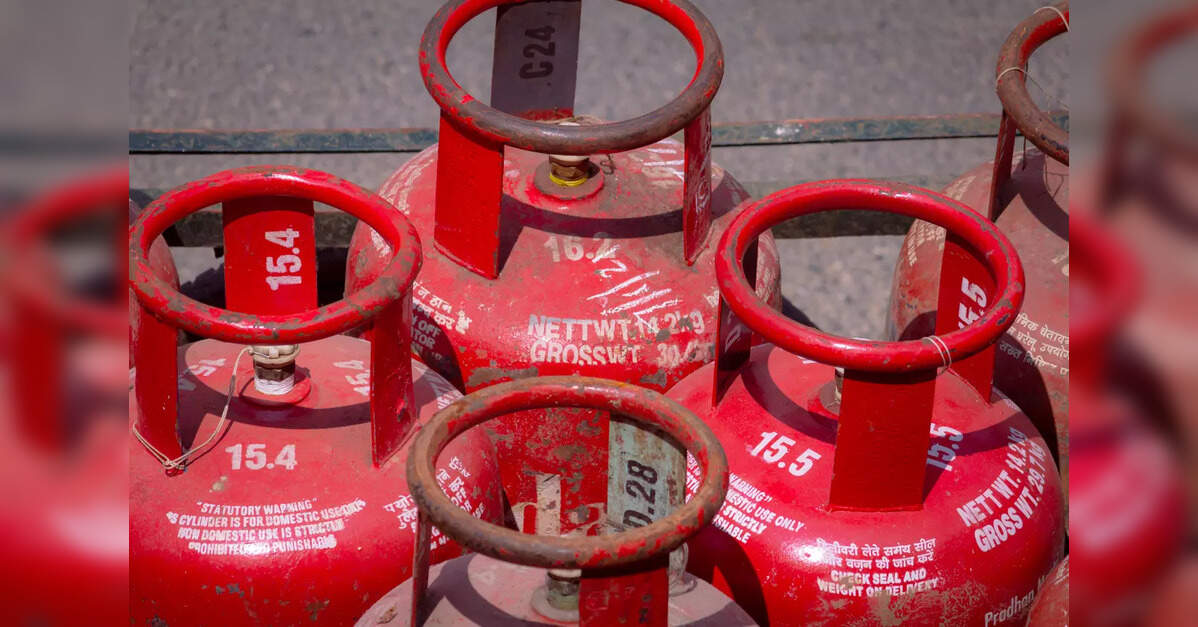
The latest monthly fuel price adjustments, as implemented by state-run oil marketing companies (OMCs), highlight a clear divergence in India’s energy sector. Commercial LPG cylinders, crucial for the hospitality and industrial sectors, witnessed a notable price cut. For instance, a 19 kg cylinder in Delhi now costs ₹1,590.50, reflecting a ₹5 reduction. Kolkata enjoyed the steepest relief, with prices dropping by ₹6.50 per cylinder. This adjustment provides a much-needed respite for businesses after a ₹15.50 hike in September, easing operational costs for restaurants, hotels, and catering services. This micro-level relief contrasts sharply with the challenges faced by the aviation industry. Jet fuel prices have escalated for the second consecutive month, with Delhi’s ATF rate climbing by ₹777 per kilolitre, or 0.8 percent, to reach ₹94,543.02 per kl. This follows a substantial 3.3 percent surge in October. With ATF accounting for nearly 40 percent of total airline operating costs, these persistent increases exert significant financial pressure on carriers, potentially impacting profitability and ticket prices. Interestingly, domestic LPG, petrol, and diesel prices have remained frozen, reflecting broader political and economic considerations rather than immediate international market shifts. These domestic prices have held steady since April for LPG and mid-March last year for petrol and diesel, insulating retail consumers from volatility but creating a multi-tiered pricing structure.
Global Crude Volatility Casts a Long Shadow
The divergent local price adjustments must be viewed through the lens of a highly dynamic global crude market. While the source notes that international oil prices had been “largely range-bound over the past month” leading up to the November 1 revisions, our real-time data reveals a more recent and dramatic shift. As of today, Brent Crude trades at $90.38 per barrel, representing a significant 9.07% decline within the day, with WTI Crude following suit at $82.59, down 9.41%. This steep intraday drop is part of a broader trend: Brent has shed approximately $22.4, or nearly 20%, in just the past two weeks, moving from $112.78 on March 30 to its current level. This profound volatility inevitably influences the OMCs’ monthly rate adjustments for fuels like ATF and commercial LPG, which are predicated on average global benchmarks and exchange rates. The current downward pressure on crude, coupled with a 5.18% daily drop in gasoline prices to $2.93, presents a complex picture for future price revisions. Investors are keen to understand if this recent crude weakness will eventually translate into relief for fuels like ATF, or if other factors will maintain upward pressure, particularly as OMCs balance international price trends with domestic policy objectives. This ongoing re-evaluation of global price stability is paramount for predicting future movements in derived product costs.
Addressing Investor Concerns and Forward Outlook
Our first-party intent data indicates that investors are keenly focused on the macro environment, particularly concerning future oil price trajectories and OPEC+ strategies. A recurring question asks, “What do you predict the price of oil per barrel will be by end of 2026?” The current sharp decline in Brent and WTI complicates short-term predictions but emphasizes the critical role of supply-side management. Another frequent query, “What are OPEC+ current production quotas?”, directly links to the upcoming calendar events that could shape the market’s direction. For investors, understanding the interplay between global crude prices and local fuel costs is crucial. While lower commercial LPG rates offer a boost to the hospitality sector, potentially improving profit margins for listed hotel and restaurant chains, the rising ATF prices pose a direct challenge to airline profitability. This creates a bifurcated investment landscape within the energy-reliant sectors. The frozen domestic petrol and diesel prices, unchanged since early last year, also highlight the political sensitivity of fuel costs, suggesting that any future revisions for these mass-consumption fuels will be carefully managed, potentially lagging behind international movements more significantly than commercial products.
Key Events on the Horizon: Shaping Future Energy Prices
The coming weeks are packed with critical events that will undoubtedly influence global crude benchmarks and, by extension, future local fuel price revisions. Investors should mark their calendars for the OPEC+ Joint Ministerial Monitoring Committee (JMMC) Meeting on April 19, followed by the full OPEC+ Ministerial Meeting on April 20. These gatherings are pivotal, especially given the recent significant drop in crude prices. Market participants will be scrutinizing any statements or decisions regarding production quotas, which could either stabilize prices or exacerbate the current downward trend. Any move by OPEC+ to adjust or affirm current output levels will directly impact the supply-demand balance and, consequently, the “price of oil per barrel by end of 2026” that many readers are asking about. Beyond OPEC+, weekly inventory reports provide crucial short-term signals. The API Weekly Crude Inventory reports on April 21 and April 28, along with the EIA Weekly Petroleum Status Reports on April 22 and April 29, will offer fresh data on U.S. crude stockpiles and refined product demand. Significant draws or builds in these inventories can trigger immediate market reactions. Furthermore, the Baker Hughes Rig Count, scheduled for April 24 and May 1, will indicate the health and future production trajectory of the North American shale sector. Collective insights from these events will shape global crude pricing, feeding into the OMCs’ models for their next monthly review of commercial LPG and ATF rates, dictating the operational environment for businesses and airlines alike.


