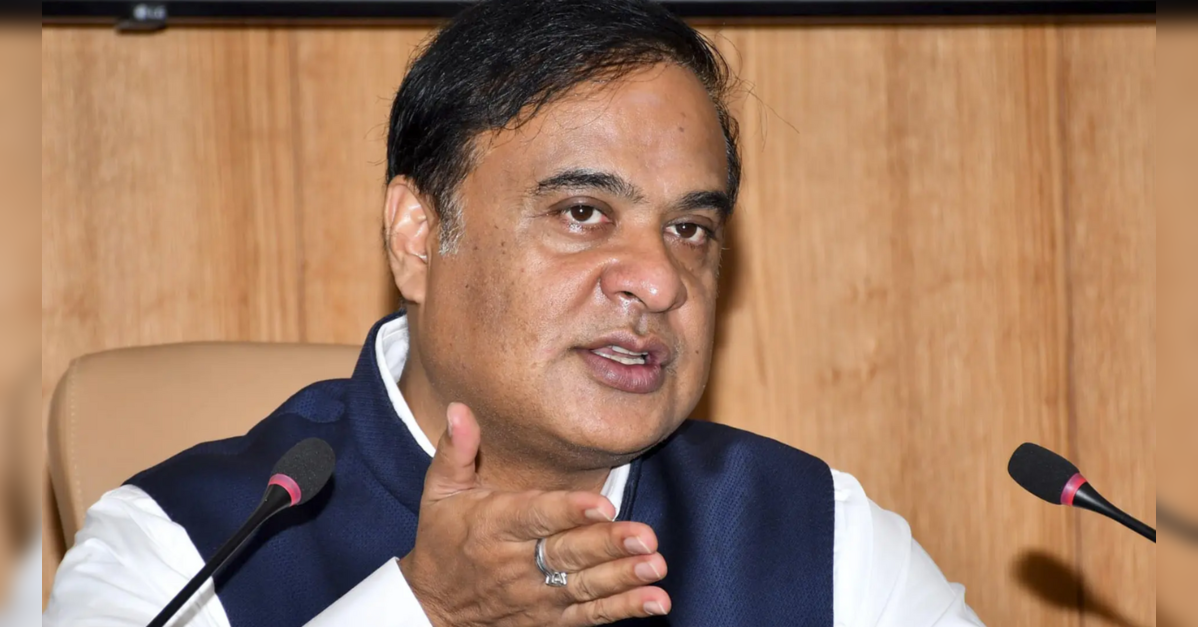
The recent gas leak at ONGC’s Rig No. 147(A) and Well No. 135 in Assam’s Rudrasagar oil field, ongoing since June 12, serves as a stark reminder of the inherent operational risks within the upstream energy sector. While a localized incident, the involvement of Assam Chief Minister Himanta Biswa Sarma, including his commitment to discuss compensation with ONGC and the Union Petroleum Minister, elevates its significance beyond a routine operational hiccup. For astute oil and gas investors, this event signals both immediate challenges and potential long-term strategic shifts in India’s critical northeastern energy hub. Understanding the interplay between micro-level operational disruptions, macro market dynamics, and evolving investor sentiment is key to navigating the complex landscape of energy investment in regions like Assam.
Operational Challenges and Strategic Responses in Assam
The persistent gas leakage at Rudrasagar, impacting approximately 1500 individuals and necessitating the relocation of 350 families to relief camps, underscores the technical complexities and social responsibilities inherent in oil and gas exploration. ONGC’s efforts, including the planned deployment of a US-based expert, highlight the severe nature of the challenge. From an investment perspective, such incidents carry direct financial implications through remediation costs, potential penalties, and compensation payouts. Chief Minister Sarma’s proactive stance, initially providing Rs. 25,000 in immediate assistance from the Chief Minister’s Relief Fund and subsequently scheduling discussions with ONGC and Union Petroleum Minister Hardeep Singh Puri, signals a high level of governmental engagement. This engagement, while focused on immediate relief, implicitly positions Assam’s energy sector as a strategic priority, potentially paving the way for enhanced safety protocols, infrastructure investments, and a more robust regulatory framework. Investors should view this as a potential catalyst for long-term operational improvements, albeit with short-term cost implications for operators.
Navigating Current Market Volatility Amidst Regional Developments
The backdrop for any regional energy investment currently involves significant market volatility. As of today, Brent crude trades at $95.44, reflecting a modest daily gain of 0.69% within a range of $91 to $96.89. This immediate stability, however, follows a notable decline over the past two weeks, where Brent shed approximately 8.8%, moving from $102.22 on March 25 to $93.22 by April 14. This recent price erosion underscores the fluid nature of global energy markets, driven by a myriad of factors from geopolitical tensions to demand fluctuations. For investors assessing ventures in regions like Assam, this price environment is critical. While the Rudrasagar incident is localized, the broader market price directly influences the profitability of upstream projects. Sustained higher prices incentivize exploration and production, whereas a downward trend can pressure margins and delay new capital deployments. Investors are keenly watching these price movements, balancing the potential for regional growth against global supply-demand dynamics.
Forward-Looking Analysis: Key Events Shaping Global and Regional Outlooks
The coming weeks are packed with market-moving events that demand investor attention, particularly for those building their base-case Brent price forecasts for the next quarter, a common query from our readers. The OPEC+ Joint Ministerial Monitoring Committee (JMMC) convenes on April 18, followed by the full Ministerial Meeting on April 20. These discussions will be critical in shaping crude supply strategies and, consequently, price direction. Alongside these, we have the regular pulse of weekly inventory data from API on April 21 and EIA on April 22, offering granular insights into US supply-demand dynamics. These macro events hold significant sway over investor appetite for projects in regions like Assam. A hawkish OPEC+ stance or unexpected inventory draws could provide upward price support, making frontier investments more appealing. Conversely, bearish signals could heighten risk aversion, emphasizing the need for robust project economics and strong local governmental support, as seen with CM Sarma’s involvement. The Baker Hughes Rig Count reports on April 17 and April 24 will also offer clues on North American drilling activity, indirectly influencing global supply sentiment.
Investor Focus: Bridging Local Incidents with Global Forecasts
Our proprietary reader intent data reveals a strong focus on price forecasting, with many investors seeking a base-case Brent price forecast for the next quarter and consensus 2026 projections. They are also closely monitoring demand signals, such as the operational rates of Chinese ‘teapot’ refineries and the drivers of Asian LNG spot prices. The Assam gas leak, while micro in scope, prompts investors to consider the resilience and operational integrity of regional production assets within this broader global context. The incident highlights that even as global demand trends and OPEC+ decisions dominate headlines, localized operational excellence and robust environmental, social, and governance (ESG) practices are paramount for long-term value creation. Companies like ONGC, operating in critical regions, face intensified scrutiny. Successful investment in India’s energy sector, particularly in states with significant hydrocarbon potential like Assam, requires a nuanced understanding of not only geological prospectivity and government support but also operational risk management and community engagement. The CM’s direct intervention suggests a political landscape increasingly sensitive to these factors, which ultimately contributes to a more stable, albeit scrutinized, investment environment.


