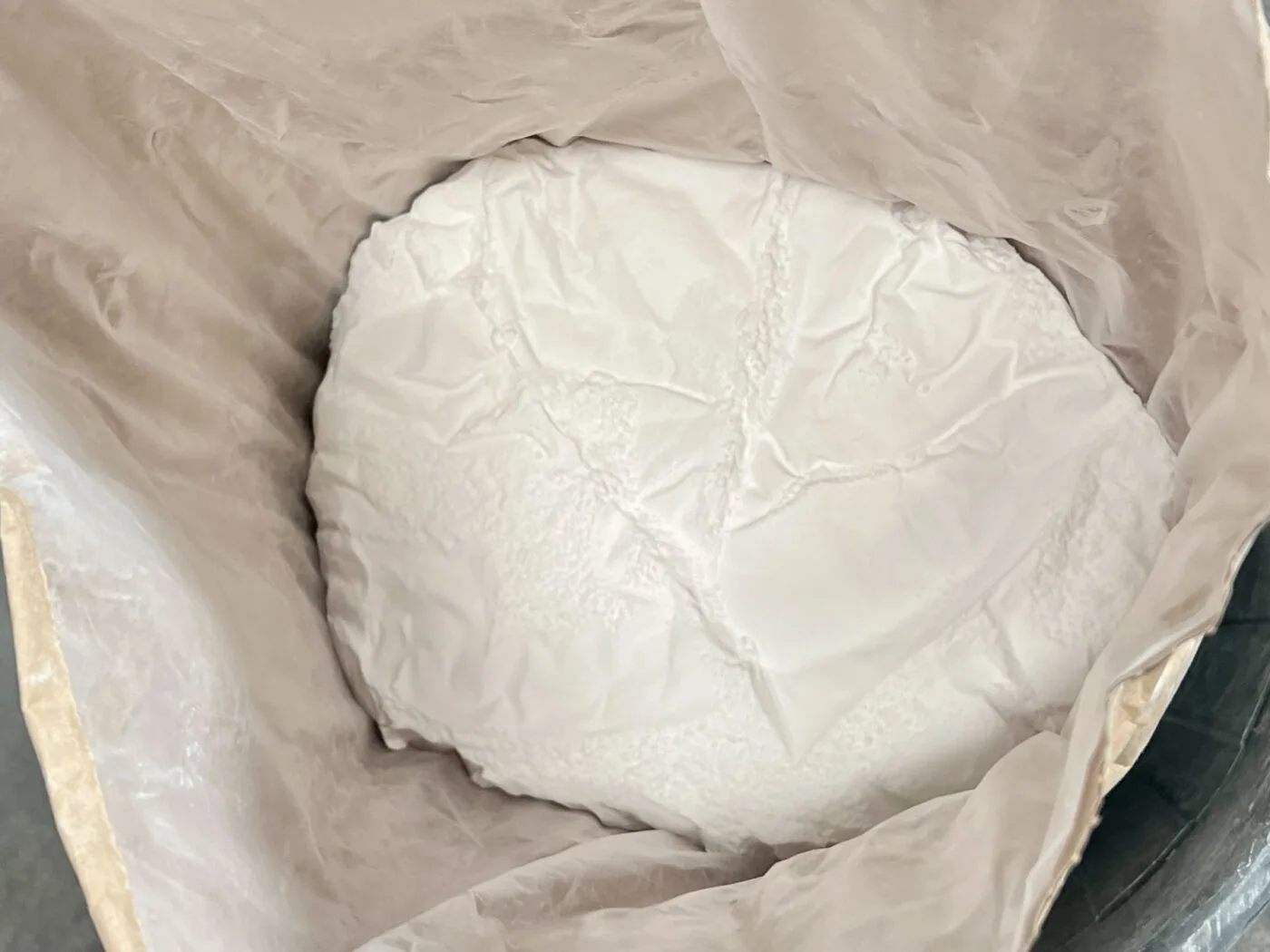
The global race for critical battery minerals has just seen a significant shift, with China announcing the discovery of a massive lithium ore deposit in its central Hunan Province. This find, located in the Jijiaoshan mining area of Linwu County, represents a substantial boost to the world’s electric vehicle (EV) supply chain and further solidifies China’s strategic position in the energy transition. For energy investors, this development underscores the growing importance of new energy metals in a landscape traditionally dominated by oil and gas, demanding a nuanced understanding of both short-term market dynamics and long-term strategic shifts.
China’s Strategic Lithium Expansion and Global Dominance
The newly identified altered granite-type deposit in Hunan boasts an impressive total resource of approximately 490 million tonnes, containing an estimated 1.31 million tonnes of lithium oxide. This discovery, the culmination of years of advanced exploration work, is not an isolated event. Just last year, China reported finding another significant lithium deposit in Yajiang, Sichuan, which allegedly holds nearly one million tonnes of the lightweight metal. These successive finds contribute to China’s rapidly expanding domestic reserves, which the China Geological Survey reported in January now account for 16.5% of global deposits, positioning the country as the world’s second-largest holder after Chile.
What makes the Hunan discovery particularly compelling for investors is the nature of the ore. Unlike lithium extracted from brine, which relies on time-consuming evaporation in large basins, the granite-type deposit allows for easier, quicker, and more cost-effective extraction through crushing and separation processes. This offers better control over production volumes, streamlining the supply chain for China’s burgeoning battery materials sector. The ore also contains additional valuable minerals such as rubidium, tungsten, and tin, potentially enhancing the economic viability of the operation. This strategic resource security is vital for Chenzhou, the prefecture-level city administering Linwu County, as it seeks to expand its role in China’s “New Three” export items: new-energy vehicles, lithium batteries, and solar panels, which together generated nearly $149 billion in exports in 2023.
The Shifting Energy Landscape: Lithium’s Role Amidst Oil Volatility
While many investors are keenly focused on questions like building a base-case Brent price forecast for the next quarter and tracking Chinese tea-pot refinery activity, this lithium discovery highlights a critical long-term shift in the energy sector. As of today, Brent crude trades at $94.58 per barrel, reflecting a slight daily dip of 0.37%, while WTI crude sits at $90.85, down 0.48%. This follows a more significant and sustained 12.4% decline in Brent over the past 14 days, from $108.01 on March 26th to its current level on April 15th. Gasoline prices are also showing a minor daily decline, trading at $2.99, down 0.33%.
This recent volatility in traditional oil markets provides a stark contrast to the strategic long-term play unfolding in the battery metals sector. The consistent demand for lithium, driven by the accelerating global adoption of EVs and renewable energy storage, creates a different investment thesis. China’s move to secure more domestic lithium reserves is a direct response to intensifying global competition for these raw materials, aiming to fortify its control over the EV value chain. For a diversified energy portfolio, understanding the interplay between these evolving commodity markets – where traditional fossil fuels face demand erosion from electrification – becomes paramount. Investors are increasingly evaluating how such foundational discoveries in critical minerals reshape the long-term energy outlook, even as they navigate the immediate fluctuations in crude prices.
Operational Advantages and Supply Chain Consolidation
The qualitative advantages of the Hunan lithium find extend beyond mere volume. The granite-type deposit offers a significant operational edge. Unlike the evaporative processes required for brine deposits, which are subject to weather conditions and require vast land areas, extraction from hard rock ore is a more industrial, controlled, and consistent process. This method allows for better precision in production volumes and generally lower operating costs once the initial capital expenditure for mining and processing facilities is in place. The presence of additional mineral resources like rubidium, tungsten, and tin within the same ore body also presents opportunities for co-production, potentially offsetting extraction costs and adding further value to the operation. This integrated approach can enhance the overall economic efficiency and resilience of the supply chain.
Furthermore, China already controls more than 70% of global lithium refining capacities. This dominant position in downstream processing, combined with expanding upstream domestic reserves, creates a powerful vertical integration. It provides China with unparalleled autonomy and resilience against potential supply disruptions in the global market for battery raw materials. For investors eyeing the EV sector, this consolidation of supply chain control translates into more stable and predictable material availability for Chinese battery and EV manufacturers, potentially giving them a competitive edge in a rapidly expanding global market.
Forward-Looking Implications for Energy Investors
As energy investors look ahead to critical upcoming events that will shape the traditional oil market, such as the Baker Hughes Rig Count on April 17th and 24th, the OPEC+ JMMC meeting on April 18th, and the Full Ministerial OPEC+ Meeting on April 20th, alongside the regular API and EIA weekly inventory reports, the long-term strategic implications of discoveries like Hunan’s lithium cannot be overlooked. These immediate oil market indicators provide tactical insights, but the lithium find represents a fundamental shift in the broader energy investment landscape.
The continued domestic resource security allows China to aggressively pursue its EV and clean energy goals, potentially accelerating global EV adoption and, consequently, impacting future oil demand projections. Investors should consider how this strengthens the long-term bearish case for crude oil, even as short-term supply-demand dynamics and geopolitical factors continue to drive volatility. The strategic imperative for nations to secure critical minerals will intensify, leading to increased exploration investment globally. For those balancing portfolios between traditional energy and emerging new energy sectors, this signals a need to diversify beyond conventional oil and gas assets and to actively consider opportunities in critical minerals mining, processing, and related technologies, recognizing the profound and enduring impact these resources will have on the energy transition.


