The global energy landscape continues its rapid evolution, presenting both challenges and compelling opportunities for discerning investors. While the immediate focus often gravitates towards the volatile dynamics of traditional fossil fuels, a significant undercurrent is reshaping long-term demand profiles: the accelerating adoption of electric vehicles. As of today, April 18, 2026, Brent crude trades at $90.38 per barrel, marking a sharp 9.07% decline within the day and an even more significant 18.5% drop from its $112.78 peak just two weeks prior. This pronounced volatility, with WTI crude similarly down 9.41% to $82.59, underscores the persistent uncertainties surrounding global supply and demand. Against this backdrop, the strategic advancements in EV infrastructure, particularly in innovative solutions like battery swapping, warrant serious consideration as a diversifying investment theme.
Navigating Crude Volatility: A Backdrop for Energy Transition Investment
The dramatic shifts in crude oil pricing over the past fortnight highlight the inherent instability in conventional energy markets. From $112.78 on March 30th to today’s $90.38, investors are grappling with significant swings, prompting fundamental questions about market direction. Our proprietary reader intent data reflects this uncertainty, with many investors keenly asking about the predicted price of oil per barrel by the end of 2026 and seeking clarity on OPEC+’s current production quotas. These inquiries underscore a desire for long-term stability and predictive insight in a sector currently experiencing considerable headwinds. This environment of fluctuating commodity prices and geopolitical influence makes the steady, structural growth of the electric vehicle market, powered by infrastructure innovation, an increasingly attractive counter-narrative for investment portfolios seeking resilience and future-proof growth.
CATL’s Aggressive Stance in China’s Battery Swapping Ecosystem
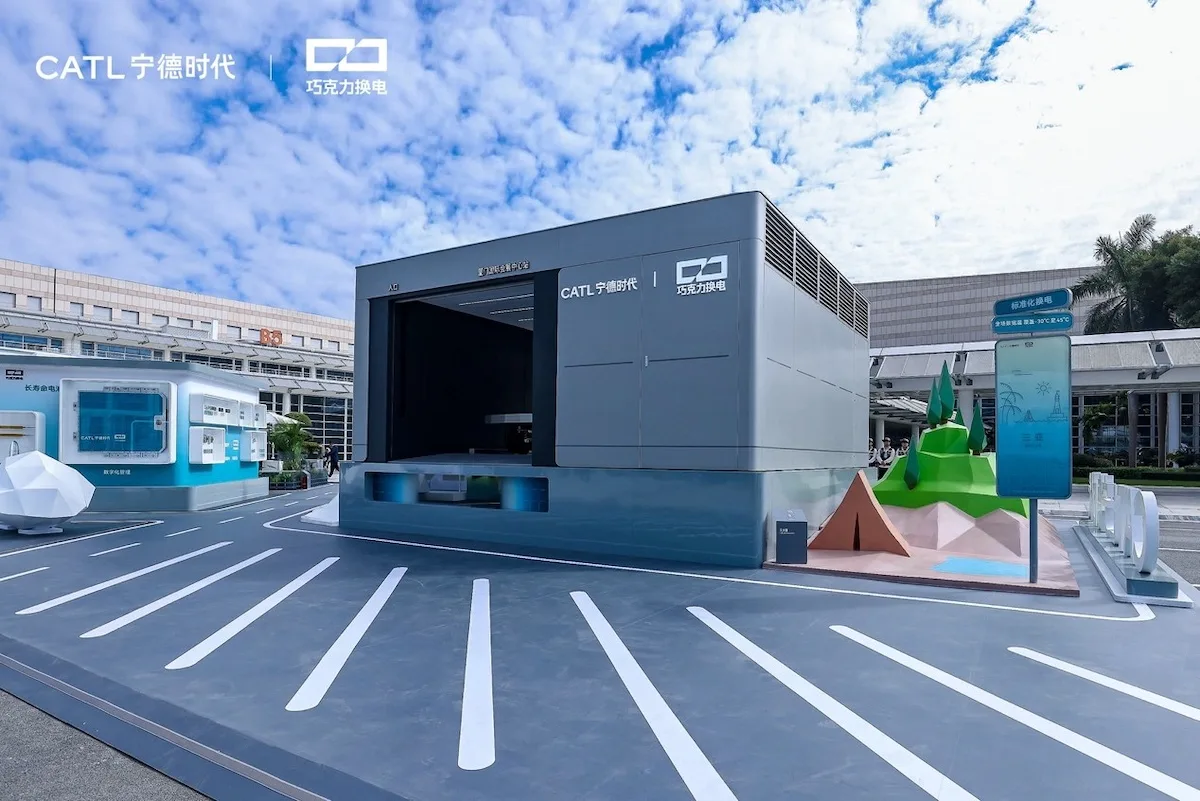
In this evolving energy paradigm, battery manufacturing giant CATL is making aggressive strides in revolutionizing EV charging infrastructure through its battery swapping model. The company has already established 400 battery swap stations for passenger electric vehicles across China and is on track to achieve its ambitious target of 1,000 stations by the close of 2025. Beyond passenger cars, CATL has also deployed approximately 100 battery swapping stations for heavy-duty trucks, with plans to expand this network to 300 by the end of 2025. This expansion is supported by a growing ecosystem, featuring over 20 battery-swap compatible EV models launched by CATL’s automotive partners. Strategic collaborations with industry heavyweights such as Sinopec, Nio, and Didi are further cementing the viability and reach of this system. Notably, Changan Automobile delivered the initial 1,000 EVs compatible with CATL’s proprietary technology in May, demonstrating tangible market adoption. This systematic approach, leveraging standardized battery packs like the 20# for smaller EVs and the 25# for vehicles up to 2.9 meters in wheelbase, simplifies the leasing model and offers customers rapid battery exchanges, effectively addressing range anxiety and charging times.
Financial Strength and Strategic European Expansion Signals Global Ambition
CATL’s strategic infrastructure build-out is underpinned by robust financial performance. The company recently reported a net income of 16.6 billion yuan, or approximately €2 billion, for the second quarter of 2025. This represents a significant 34% year-over-year growth, indicating strong profitability and a healthy capacity for continued investment and expansion. With this financial momentum, CATL is now setting its sights beyond its domestic market. The company is actively exploring the expansion of its innovative battery-swapping business into Europe, a move highlighted by executive Jiang Li, who emphasized the “huge potential” for this technology to make EV batteries more affordable and durable on the continent. While competitor Nio currently operates 60 battery swap stations in Europe and an impressive 2,609 across China, CATL’s entry would intensify competition and accelerate the adoption of this convenient EV charging alternative, posing a direct, long-term challenge to traditional fuel infrastructure and consumption patterns.
The Road Ahead: Investment Implications and Upcoming Market Signals
For investors primarily focused on the oil and gas sector, the rise of sophisticated EV infrastructure solutions like battery swapping warrants close observation. While the immediate future of crude oil prices will be heavily influenced by events such as the upcoming OPEC+ Joint Ministerial Monitoring Committee (JMMC) meeting on April 18th and the full Ministerial meeting on April 19th, alongside weekly inventory reports from API and EIA, the long-term trajectory of global energy demand is undeniably shifting. The rapid build-out of battery swap stations and the impressive financial performance of key players like CATL represent a structural change, gradually eroding the dominance of internal combustion engines. Investors asking about the outlook for traditional energy firms like Repsol by April 2026 should also consider how quickly this EV transition could impact future demand forecasts. Monitoring not just the Baker Hughes Rig Count on April 24th and May 1st, but also the deployment rates of EV charging and swapping infrastructure, provides a more comprehensive picture of the evolving energy investment landscape. The sustained growth in EV adoption and supporting technologies like battery swapping is a powerful, forward-looking signal that cannot be overlooked when crafting a resilient investment strategy in the energy sector.