The global energy landscape continues its dynamic transformation, with significant capital flowing into the electric vehicle (EV) sector and its critical supply chains. For astute investors monitoring the broader commodity and energy markets, understanding these shifts is paramount. A recent strategic alliance between two Japanese industrial powerhouses, Asahi Kasei and Toyota Tsusho, underscores the relentless drive to localize and fortify crucial components for future mobility, particularly within North America.
This partnership centers on the supply of advanced lithium-ion battery separators, a vital component in EV battery technology. The collaboration is a calculated move to significantly enhance the resilience of US supply chains, reducing reliance on potentially volatile international routes and aligning with growing geopolitical imperatives for regionalized manufacturing. Such developments hold considerable implications for the long-term demand profile across various energy commodities and for capital allocation within the diversified energy sector.
Strategic Localization for Battery Production
The core of this agreement involves Asahi Kasei’s commitment to provide its domestically manufactured separator films to a key US facility operated by Toyota Tsusho. While the precise plant location remains officially undisclosed, industry analysts widely anticipate these films will be destined for Toyota Battery Manufacturing North America (TBMNC) in Greensboro, North Carolina. This facility, first announced in 2021, represents a cornerstone of Toyota’s ambitious electrification strategy, with construction actively underway to meet future demand.
By 2030, the TBMNC plant aims to achieve an impressive annual production capacity of up to 30 GWh of battery cells. This output is earmarked to power a new generation of hybrid vehicles, and increasingly, full battery electric vehicles (BEVs). For investors, this signals a robust, long-term commitment to EV production within the US, creating a foundational demand for upstream materials and components.
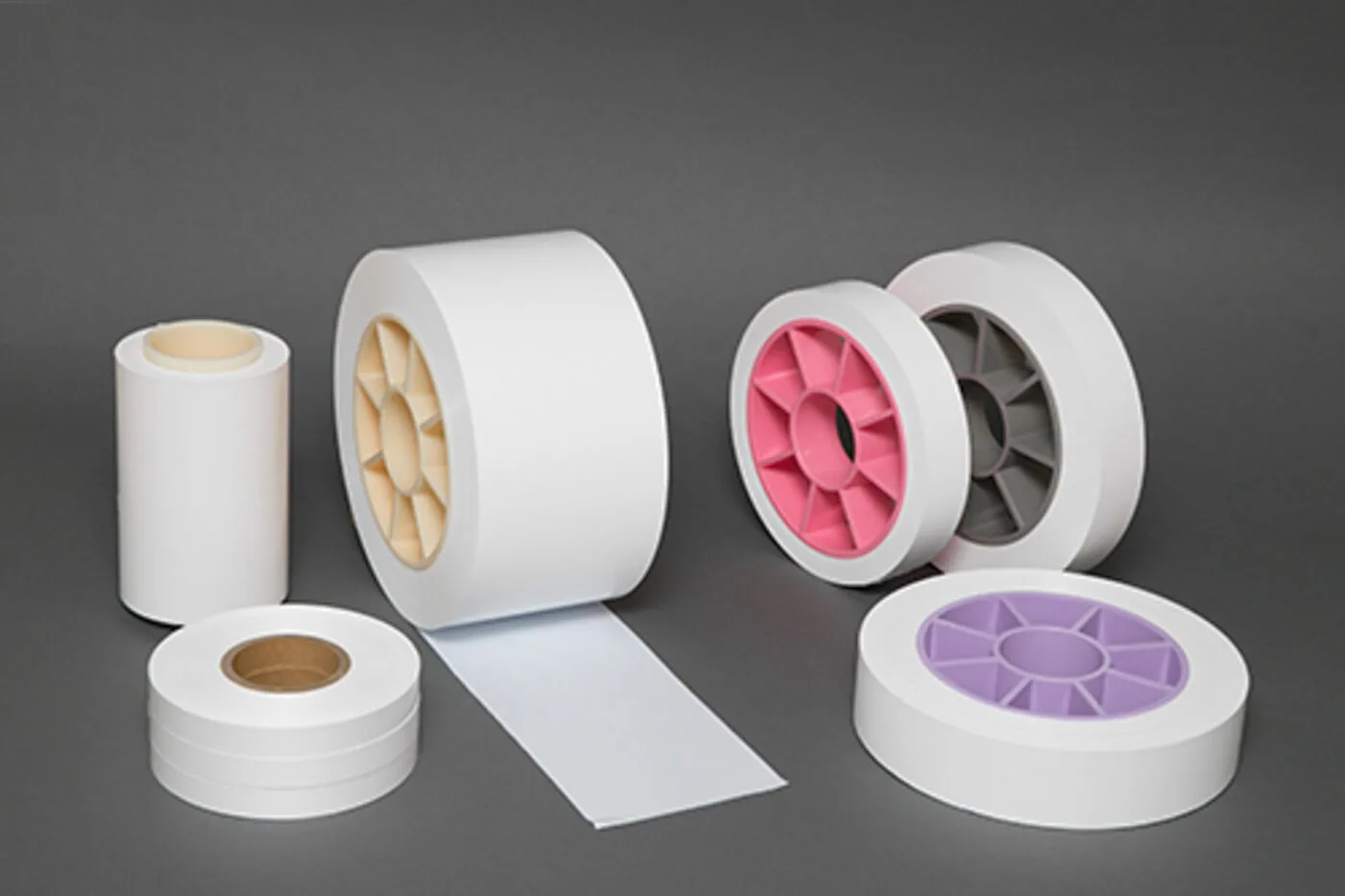
Asahi Kasei’s dedicated unit, Asahi Kasei Battery Separator America (AKBSA), will commence supplying Toyota Tsusho America (TAI) with its proprietary Hipore battery separators from 2027. These separators are produced using a sophisticated wet process, known for yielding high-performance and durable battery components. The crucial element here is the domestic origin: these coated separator films will originate from Asahi Kasei’s new coating plant currently under construction in Charlotte, North Carolina. This facility, initially announced in 2023, strategically positions itself approximately an hour and a half’s drive northeast from Toyota’s Greensboro battery factory, ensuring logistical efficiency and a tightly integrated supply chain. It is worth noting that Asahi Kasei is also developing a coating plant in Canada, primarily to serve Honda’s North American production needs, further diversifying its regional footprint.
Building Resilient Supply Chains: An Investor’s Perspective
The rationale behind this localized supply chain strategy extends beyond mere proximity. Both Asahi Kasei and Toyota Tsusho aim to minimize transportation distances, a move that not only aligns with growing sustainability mandates but also significantly de-risks the supply chain itself. For investors, a stable and predictable supply chain translates directly into reduced operational volatility and greater certainty in project timelines and cost structures. By mitigating exposure to potential market fluctuations, such as unforeseen tariffs or geopolitical disruptions to global shipping, these companies are building a more robust foundation for their North American EV ambitions.
As Asahi Kasei articulated in its official statement, “By combining Asahi Kasei’s strengths in functional materials and Toyota Tsusho’s expertise in mobility, the partnership will accelerate the adoption of high-quality wet-process separator in the North American battery market and facilitate the manufacture of higher-performance electric vehicles.” This highlights the synergistic value creation inherent in such strategic alliances, driving innovation and efficiency across the EV value chain.
While specific financial terms or the precise scope of the agreement were not disclosed, the strategic implications are clear. Toyota Tsusho has been actively securing its upstream materials, having previously partnered with LG Chem in 2023 for cathode materials. Furthermore, Toyota’s broader strategy for its US electric car production involves a multi-pronged approach, leveraging both its own internally produced cells and externally sourced batteries, such as prefabricated battery modules from LGES that utilize high-nickel NCMA pouch cells. This diversification in sourcing underscores a pragmatic approach to supply chain management, balancing proprietary technology with proven external expertise.
Toyota’s North American EV Ambitions and Market Realities
Toyota has poured substantial investment into establishing its electric vehicle manufacturing capabilities in the United States over recent years, extending deeply into the upstream supply chain. A significant increase in spending on its battery factory in 2023 signaled an accelerated push. The company’s ambition initially targeted the production of a three-row electric SUV for the North American market at its Kentucky plant, with an anticipated start date in 2025. However, market dynamics and production complexities led to a postponement, announced in October 2024, pushing the start of production to an unspecified date in 2026. This adjustment reflects the evolving challenges and competitive pressures within the rapidly maturing EV market, a trend also observed among other Japanese automakers recalibrating their US production plans.
For oil and gas investors, these developments in the EV sector are not isolated events but crucial indicators of the broader energy transition. The massive capital deployment into battery manufacturing and EV production signifies a structural shift in energy consumption patterns. While traditional energy sources remain vital, the speed and scale of these investments suggest a future where a significant portion of transportation demand will be met by electricity. Monitoring these strategic partnerships, production targets, and their subsequent adjustments provides critical insights into the pace of this transition, influencing long-term demand forecasts for various energy commodities and shaping the investment landscape for decades to come.
The Investment Outlook: Navigating the Energy Transition
The Asahi Kasei-Toyota Tsusho collaboration exemplifies the intricate web of partnerships and investments required to build out a robust, localized EV ecosystem. For investors, understanding the health and resilience of these supply chains is paramount. Stable component supply directly impacts vehicle production volumes, which in turn affects market penetration and the pace of electrification. While the oil and gas sector remains a cornerstone of the global energy mix, the accelerating momentum in EV battery technology and manufacturing represents a powerful counter-current that demands attention. These strategic alliances, driven by both economic efficiency and geopolitical considerations, will continue to reshape the global energy demand picture, presenting both challenges and opportunities across the entire energy investment spectrum.