Arctic Criticals: Investor Race Intensifies
The global energy landscape is undergoing a profound transformation, with the Arctic region emerging as a focal point for strategic resource acquisition and geopolitical maneuvering. As the world grapples with supply chain vulnerabilities and the relentless pursuit of energy security, the vast, thawing northern territories are no longer merely a frontier but a critical arena for long-term investment. This analysis delves into the escalating competition for the Arctic’s immense, largely untapped wealth, encompassing not only traditional hydrocarbons but, increasingly, a trove of strategic minerals vital for the modern economy. We explore how converging geopolitical interests, technological advancements, and evolving climate dynamics are reshaping investor calculus in this high-stakes environment, offering unique opportunities for those positioned to navigate its inherent complexities.
Geopolitical Chessboard and the New Resource Paradigm
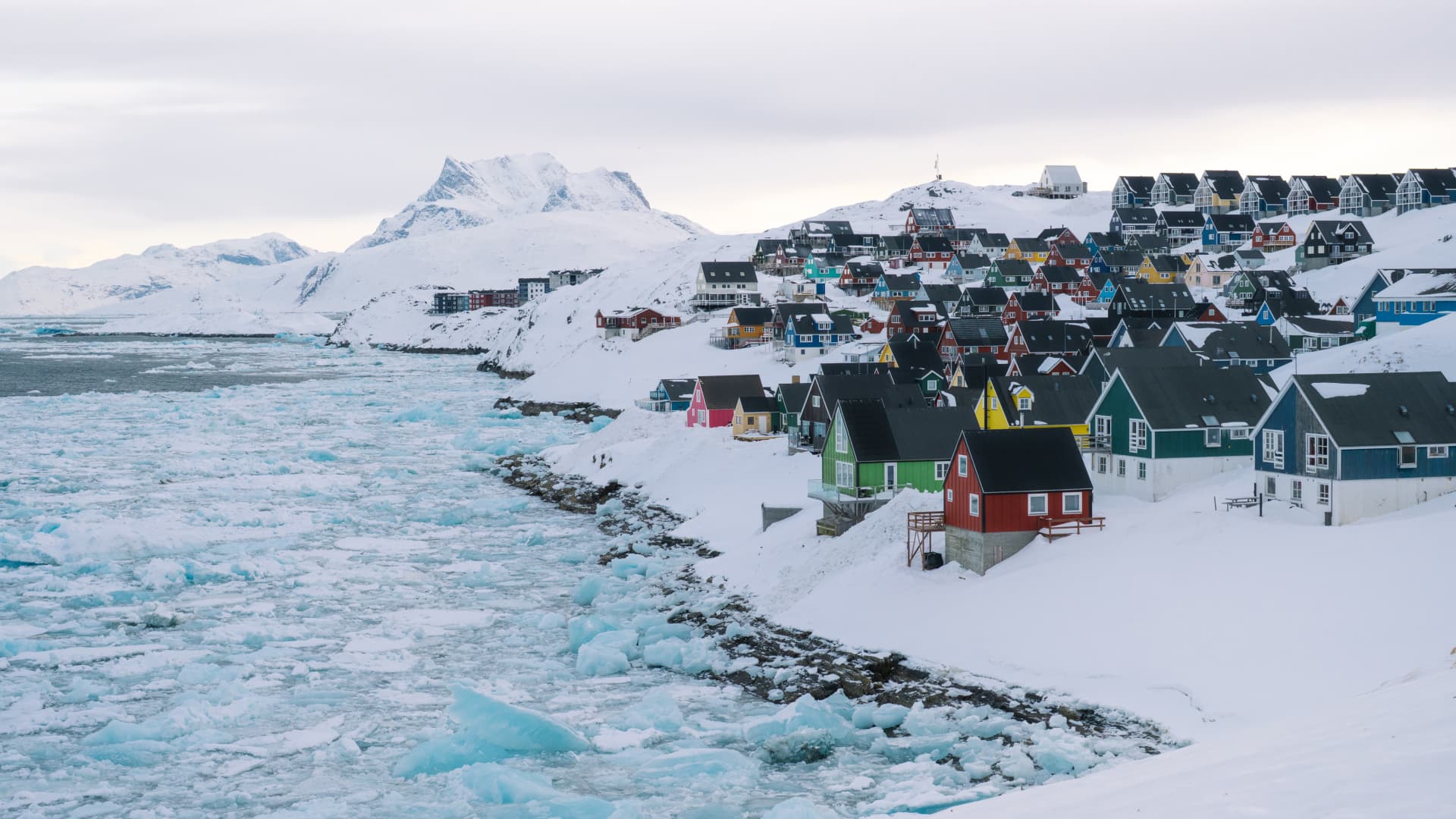
Nations worldwide are intensifying their focus on the Arctic, driven by a dual imperative: securing critical raw materials and leveraging new commercial shipping routes. The push to diversify away from existing mineral supply concentrations, particularly challenging the dominance of certain nations, has accelerated interest in Greenland’s substantial deposits. This autonomous Danish territory, for instance, holds significant promise for a range of base metals, precious metals, gemstones, rare earths, and uranium. Historically deemed economically unviable to extract, the melting ice sheets are now inadvertently revealing more accessible mineral veins, sparking a renewed scramble for exploration and development rights. Beyond Greenland, countries like Canada are actively seeking to unlock their own Arctic resource potential, while Russia, with its extensive northern coastline, views the region as a paramount strategic priority, underscored by recent advancements in its icebreaker fleet. Investors are keenly watching how these national ambitions will influence long-term resource stability and, by extension, the future trajectory of global commodity prices, a common thread in inquiries regarding oil’s predicted price per barrel by late 2026.
Market Volatility and Arctic Investment Calculus
Investing in the Arctic’s long-term resource potential requires a robust strategy capable of weathering the inherent volatility of global energy markets. As of today, Brent crude trades at $90.71, marking an 8.73% decline within the day, with its price fluctuating between $86.08 and $98.97. Similarly, WTI crude has seen a significant drop, trading at $82.9, down 9.07%, after a daily range of $78.97 to $90.34. This immediate downturn follows a broader trend where Brent has shed $14, or 12.4%, from $112.57 on March 27 to $98.57 just yesterday. Such pronounced short-term price movements in traditional oil & gas, coupled with gasoline prices currently at $2.94 after a 5.18% decline, highlight the dynamic nature of the energy sector. While Arctic projects, especially those targeting critical minerals, represent long-horizon strategic plays, their economic viability and funding appeal are inevitably influenced by the broader market sentiment and capital allocation priorities shaped by current energy prices. This intersection demands that investors assess Arctic opportunities not just on their isolated merits but within the context of a highly fluid global commodity environment.
Climate Dynamics: Unlocking New Frontiers and Challenges
The climate crisis is paradoxically transforming the Arctic into an economic frontier. The significant retreat of ice sheets and glaciers, evidenced by satellite imagery revealing vast areas of wetlands, shrub, and barren rock replacing ice, has directly increased the accessibility of previously buried mineral deposits. This environmental shift, while concerning for global ecosystems, presents a unique window for mining operations. Companies like Critical Metals, developing one of the largest rare earth assets in southern Greenland, are at the forefront of this new accessibility. However, alongside the opportunities, come formidable logistical and environmental challenges. Operating in such extreme conditions demands substantial capital investment, innovative technology, and stringent environmental safeguards. The emerging navigation routes through the Arctic Ocean, particularly during extended summer months, promise to reduce transit times and shipping costs for resources moving between continents, further enhancing the region’s strategic appeal. This evolving dynamic forces investors to weigh the long-term resource security gains against the operational complexities and environmental stewardship required in this sensitive region.
Forward Momentum: Upcoming Events and Strategic Positioning
The strategic value of Arctic resources is intrinsically linked to the broader global energy supply and demand dynamics, which are constantly influenced by key industry events. Investors are keenly awaiting the outcomes of the upcoming OPEC+ Joint Ministerial Monitoring Committee (JMMC) meeting tomorrow, April 17th, followed by the full Ministerial meeting on Saturday, April 18th. These gatherings are crucial for understanding future production quotas and their potential impact on global oil prices – a primary concern for investors seeking clarity on OPEC+’s current production strategy. Any adjustments to supply could significantly influence the economic attractiveness of both conventional and unconventional energy projects, including those in the Arctic. Furthermore, the weekly API and EIA crude inventory reports on April 21st/22nd and April 28th/29th, alongside the Baker Hughes Rig Count on April 24th and May 1st, provide vital short-term market indicators. While Arctic critical mineral projects operate on a longer timeline, the overall health and direction of the energy sector, as reflected in these near-term data points, invariably affect investor confidence and capital availability for large-scale, frontier developments. Understanding these interconnected drivers is essential for strategic positioning in the evolving Arctic resource race.

