Uniper’s Connah’s Quay Project: A Strategic Bet on Low-Carbon Gas Power for UK Energy Transition
Investors keenly tracking the evolving energy landscape are turning their attention to major infrastructure projects poised to shape the future of power generation. A prime example is Uniper’s ambitious Connah’s Quay Low Carbon Power Project (CQLCP) in the UK, a initiative that underscores the critical role of natural gas, coupled with advanced carbon capture and storage (CCS) technology, in achieving national net-zero targets. This substantial undertaking, aiming for a maximum capacity of 1.38 GW, represents a significant investment opportunity in the decarbonization of industrial and power sectors.
The project, strategically located adjacent to Uniper’s existing power station in Deeside, UK, is progressing rapidly, with global engineering powerhouse Worley having been selected in December 2024 as one of two key contractors. Worley’s mandate involves the crucial Front End Engineering Design (FEED) phase, a testament to its specialized expertise in complex energy infrastructure. This foundational engineering work is vital, laying the groundwork for a phased development intended to deliver a substantial energy supply, capable of powering approximately 1.1 million homes annually upon completion of its initial phase. Investors should note the ambitious timeline, with potential operational commencement for Phase One targeted as early as 2030, highlighting the project’s accelerated path to market.
Advancing Through Critical Milestones: Permitting and Integration
The journey from conceptualization to operational asset involves navigating stringent regulatory frameworks and securing essential environmental approvals. Uniper demonstrated significant progress by lodging its Development Consent Order (DCO) application in August 2025. This pivotal regulatory submission marks a critical juncture, with a decision anticipated in the coming months. A positive DCO outcome will undoubtedly serve as a major de-risking factor for investors, signaling the project’s robust viability and its alignment with national planning objectives for energy infrastructure.
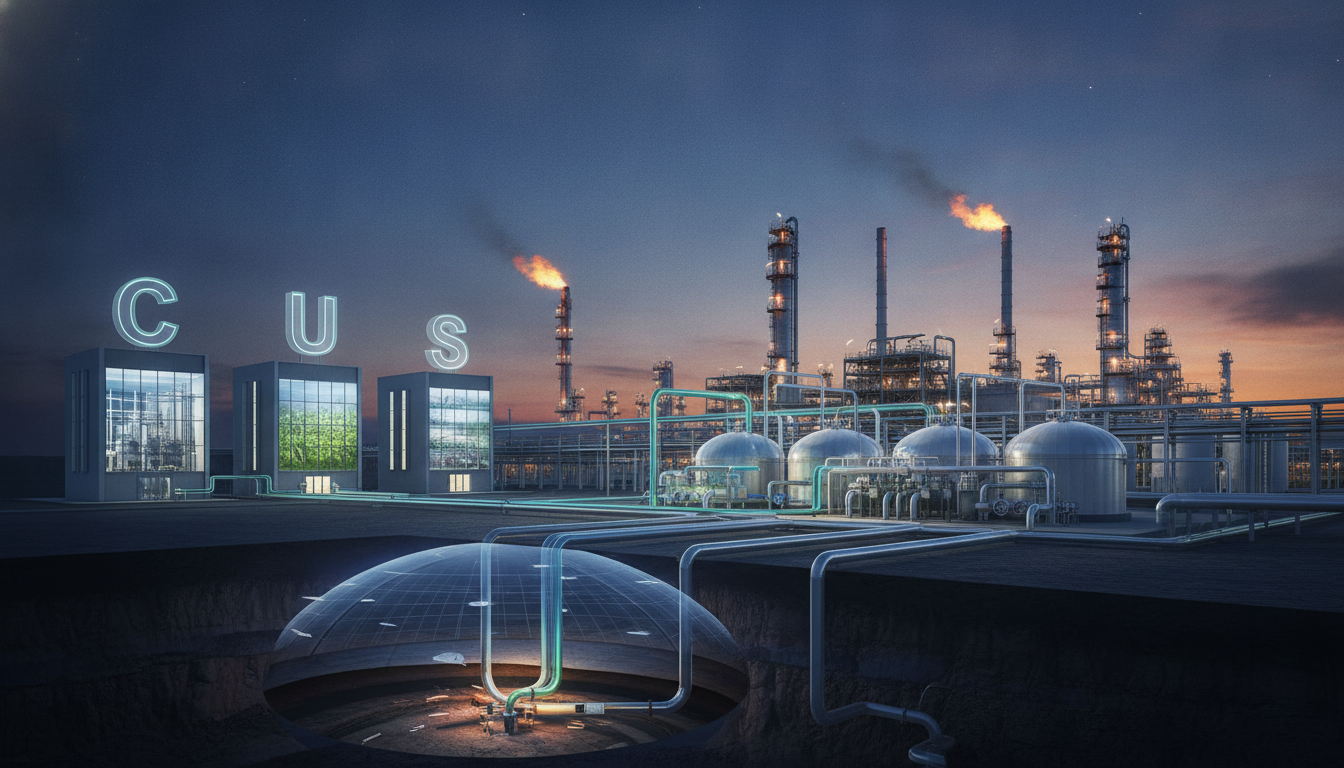
A cornerstone of the Connah’s Quay project’s low-carbon credentials lies in its seamless integration with wider decarbonization efforts. The proposed power station will directly connect into the nearby CO2 transport and storage infrastructure, a key component of the strategically vital HyNet industrial cluster. This connectivity is paramount for investors, demonstrating a clear and credible pathway for captured CO2. The carbon dioxide will be efficiently transported to permanent offshore storage facilities, utilizing repurposed depleted offshore gas fields. This innovative approach to carbon sequestration leverages existing oil and gas infrastructure, providing a cost-effective and proven method for long-term storage, a critical consideration for those investing in sustainable energy solutions.
Strategic Partnerships and Technological Synergy Drive Project Execution
The successful execution of a project of this magnitude hinges on collaborative expertise and technological prowess. Worley’s active involvement, as articulated by Jim Shaughnessy, President, Major Projects & Programs, EMEA, underscores a profound commitment to the Connah’s Quay initiative. Shaughnessy emphasized the formation of an integrated team, bringing together industry leaders like Siemens Energy and SLB Capturi, alongside experienced construction partners. This consortium represents a powerful blend of cutting-edge technology, sophisticated engineering capabilities, and proven project delivery acumen. For investors, such a strategic alliance mitigates execution risk and enhances confidence in the project’s ability to meet its technical and operational targets.
The combination of gas-fired power generation with state-of-the-art CCS technology positions CQLCP as a crucial bridge in the UK’s energy transition. While renewable energy sources continue to grow, dispatchable low-carbon power, such as that offered by gas with CCS, provides essential grid stability and reliability. This duality offers a compelling investment thesis, combining the established reliability of thermal power with the imperative of emissions reduction, catering to a diverse range of ESG-focused and traditional energy investors.
Investment Implications and Future Outlook for Low-Carbon Energy Assets
The Connah’s Quay Low Carbon Power Project serves as a powerful indicator of the evolving investment landscape in the oil and gas sector. As global energy majors and infrastructure funds recalibrate their portfolios to align with net-zero commitments, projects like CQLCP become increasingly attractive. They offer long-term asset value, potential for stable revenue streams from power generation, and future monetization opportunities related to carbon capture and storage credits. The repurposing of offshore gas fields for CO2 storage, in particular, highlights new revenue potential and extended life for existing assets within the traditional oil and gas value chain.
Looking ahead, the successful development and operation of this facility will provide a blueprint for similar projects across industrialized nations. It validates the economic and technical feasibility of large-scale carbon capture within the power sector, signaling a maturing market for CCS technologies. Investors seeking exposure to the vanguard of energy transition, particularly those with a focus on robust infrastructure, technological innovation, and tangible decarbonization outcomes, will find the Connah’s Quay project a compelling narrative. Its progress will undoubtedly be closely watched as a benchmark for future investments in the low-carbon economy, reinforcing the strategic imperative of integrating traditional energy sources with innovative emissions reduction solutions.