India Navigates Geopolitical Storms with Robust Energy Strategy and Diplomatic Maneuvers
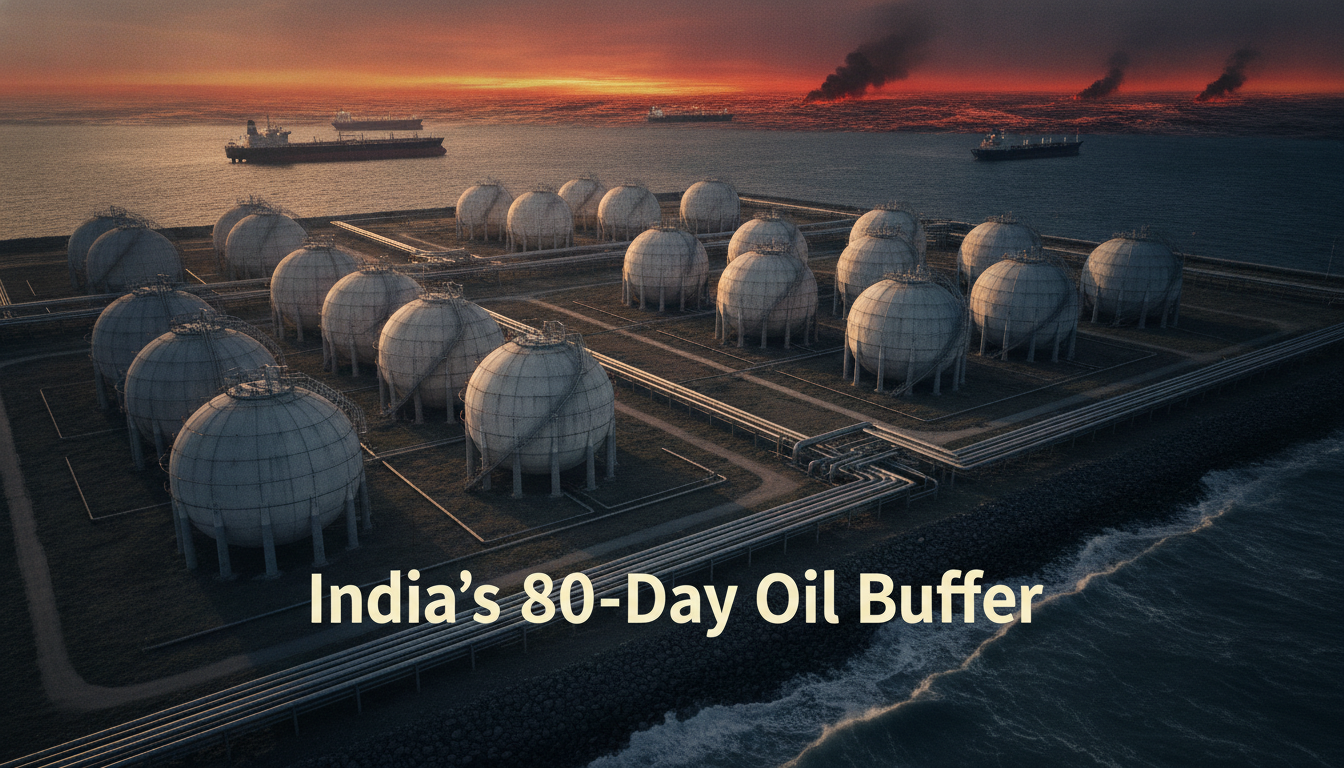
India, a major global energy consumer, maintains strategic oil and gas reserves sufficient for approximately 76 to 80 days of national demand. This critical buffer, as confirmed by Petroleum and Natural Gas Minister Hardeep Singh Puri, underscores the nation’s commitment to energy security amidst an increasingly volatile geopolitical landscape. However, the minister cautioned that any expansion of the ongoing Gulf conflict beyond its current regional confines would introduce significant new challenges, posing a tangible threat to global supply chains and potentially impacting market stability.
Speaking recently, Minister Puri articulated a clear concern regarding the broader implications of escalating tensions. “It may remain a conflict not confined to that theater,” he remarked, highlighting the risk of the crisis spilling into other regions or sparking new flashpoints. Such an eventuality, he warned, would undoubtedly become a source of considerable worry for international energy markets and for nations heavily reliant on imported hydrocarbons, like India.
Strategic Diversification: The Venezuela Connection Reaffirmed
India’s proactive approach to energy security extends beyond maintaining reserves; it also encompasses aggressive diversification of its supply sources. In a pivotal diplomatic move, Minister Hardeep Singh Puri recently engaged in high-level discussions in New Delhi with Venezuela’s acting President, Delcy Rodríguez. This meeting served to emphatically reaffirm Venezuela’s critical role in India’s long-term energy diversification plans.
The strategic dialogue focused on exploring robust avenues to strengthen bilateral cooperation within the energy sector. For investors, this re-engagement with Venezuela signals a potential shift in global oil trade dynamics. Venezuela, possessing the world’s largest proven crude oil reserves, represents an invaluable long-term supply partner for an energy-hungry nation like India, especially as global energy geopolitics continue to evolve. Renewed collaboration could pave the way for increased crude imports, potentially offering India a more resilient and varied supply portfolio, mitigating dependency risks associated with traditional Middle Eastern sources. The discussions likely touched upon investment in Venezuelan upstream projects, technological exchange, and the logistics of transporting crude across vast distances, all aimed at fostering a mutually beneficial energy partnership that could reshape future supply patterns for a significant market player like India.
Shielding Consumers: India’s Unmatched Fuel Price Stability
Despite the pervasive geopolitical disruptions that have sent global commodity prices soaring, India has demonstrated remarkable resilience in managing domestic fuel costs. Minister Puri proudly noted that India has experienced one of the lowest increases in fuel prices worldwide, positioning the nation second only to Japan among 193 countries in terms of the smallest percentage rise. This achievement speaks volumes about the efficacy of India’s energy policies, its procurement strategies, and potentially, its fiscal interventions designed to buffer consumers from international price shocks.
For investors monitoring emerging markets, India’s ability to maintain relative fuel price stability amidst such global turbulence is a significant indicator of economic management and stability. Stable energy costs translate into predictable input prices for industries, lower inflationary pressures, and sustained consumer purchasing power, all of which are conducive to economic growth and investor confidence. While the specific mechanisms – whether through strategic sourcing, tax adjustments, or subsidies – were not detailed, the outcome highlights a robust governmental strategy aimed at insulating its vast economy from external volatility. This stability provides a predictable operating environment for businesses and reinforces the nation’s appeal as an investment destination, particularly in sectors sensitive to energy costs, demonstrating a strong governmental hand in economic stewardship.
Investor Outlook: Resilience and Opportunity in India’s Energy Sector
India’s approach to energy security presents a compelling narrative for global investors. The nation’s ability to hold significant strategic reserves, actively pursue diverse supply partnerships with key producers like Venezuela, and effectively manage domestic fuel prices against a backdrop of global instability paints a picture of a strategically astute and resilient energy market. These measures are crucial for an economy projected to be among the fastest-growing in the world, where energy demand continues its upward trajectory.
The ongoing commitment to diversification reduces over-reliance on any single region, thus mitigating geopolitical risks associated with supply disruptions. While the threat of a wider Gulf conflict remains a considerable concern for all global energy stakeholders, India’s robust strategic planning aims to minimize its direct impact on domestic supply and economic stability. Investors should view India’s energy sector not just through the lens of import dependency, but also as a hub of strategic resilience and evolving partnerships. The nation’s proactive stance in securing long-term supplies and managing market volatility signals a secure and growing environment for energy-related investments, from upstream and midstream infrastructure to downstream refining and retail distribution, all underpinned by a government dedicated to shielding its economy from the sharpest edges of global energy market fluctuations.


