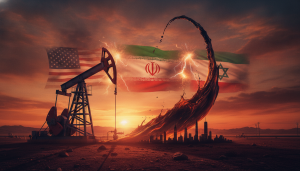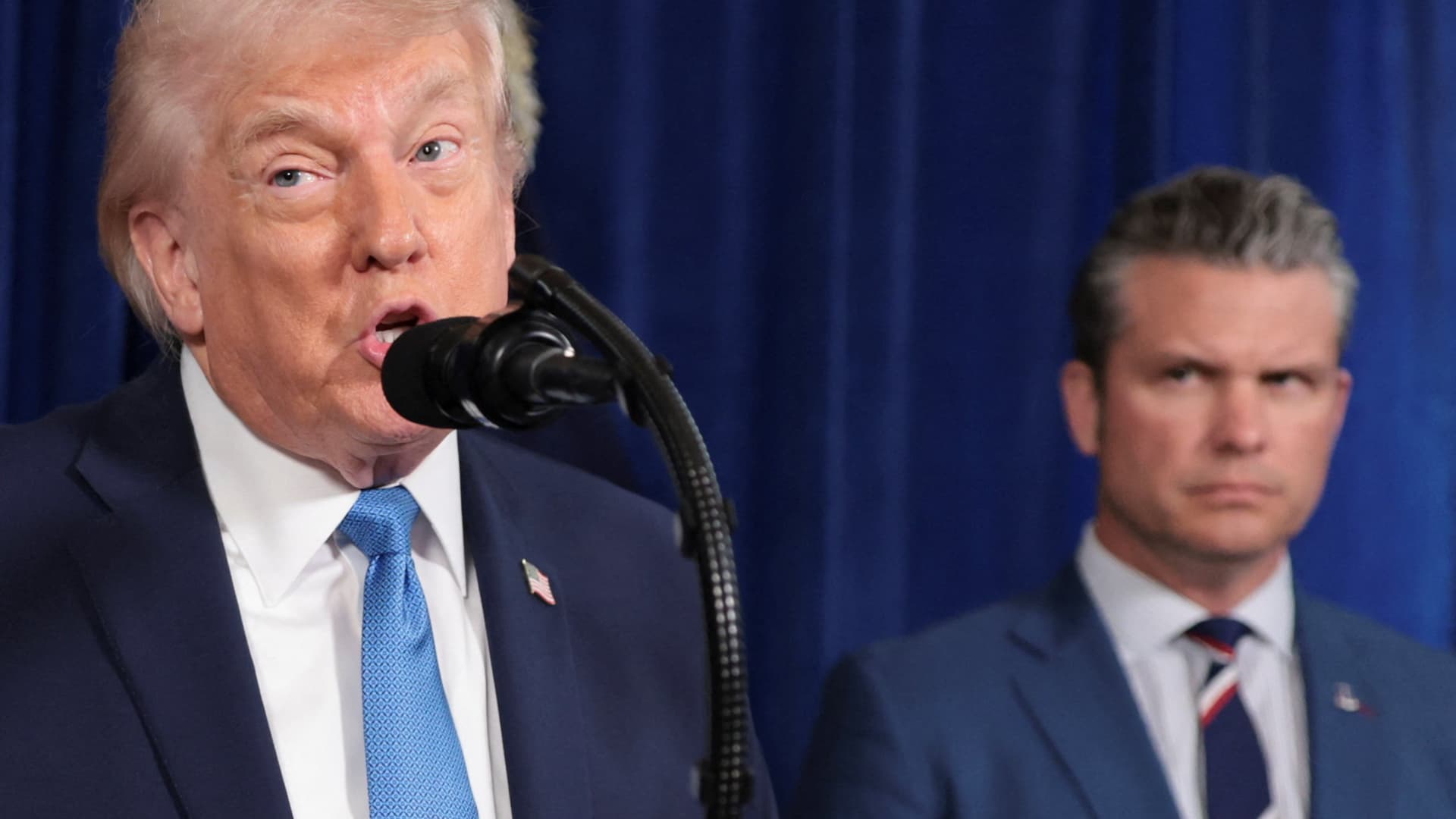
The global oil and gas landscape has been irrevocably altered by the dramatic events of January 3, 2026, when U.S. forces successfully captured President Nicolas Maduro and his wife, Cilia Flores, in Venezuela. This geopolitical seismic shift, announced by President Donald Trump from his Mar-a-Lago residence in Palm Beach, Florida, has unveiled a bold new investment thesis for the South American nation’s battered energy sector. Trump declared that “very large United States oil companies” are poised to inject “billions of dollars” into rebuilding Venezuela’s “badly broken” oil infrastructure, with the promise of reimbursement for their efforts. For astute investors, this signals not just a potential resurgence of a former petro-power, but a complex interplay of supply dynamics, geopolitical maneuvering, and significant long-term capital commitment that demands close scrutiny, especially against a backdrop of already fluctuating crude prices.
Geopolitical Earthquakes and a Muted Market Response
The immediate aftermath of the U.S. intervention in Venezuela, which saw the U.S. assume temporary administrative control with a designated group, presents a fascinating paradox for energy markets. Despite the monumental nature of the regime change in a nation boasting the world’s largest proven oil reserves, the market’s initial reaction has been surprisingly subdued, perhaps reflecting the long lead time required for any meaningful production recovery. As of today, Brent Crude trades at $90.01, a marginal decline of 0.46% within a day range of $93.87-$95.69. WTI Crude similarly saw a dip, trading at $86.38, down 1.19% within its $85.50-$87.49 range. This muted intraday movement comes after a more significant bearish trend, with Brent having plummeted nearly 20% over the past two weeks, dropping from $118.35 on March 31st to $94.86 on April 20th, and now even lower. The market appears to be digesting the long-term implications of potential new supply against a backdrop of existing bearish pressures, rather than reacting to immediate short-term disruptions. The indictment of Maduro and Flores on drug-trafficking charges in the Southern District of New York provides additional context for the U.S. rationale behind the intervention, framing it as a decisive move to stabilize a nation and unlock its economic potential.
Rebuilding a Petropower: The Investment Blueprint and Its Challenges
President Trump’s vision for Venezuela’s energy future is ambitious: U.S. oil companies will directly finance the infrastructure overhaul, with the understanding that they “will be reimbursed for what they’re doing.” This model shifts the initial financial burden and risk onto the private sector, but also promises substantial future returns. The challenge, however, is immense. Decades of underinvestment, mismanagement, and the exodus of skilled personnel have left Venezuela’s oil infrastructure in a critical state. Refineries are dilapidated, pipelines are corroded, and oil fields suffer from severe lack of maintenance and technological upgrades. Rebuilding will not be a swift process; it will require billions of dollars and years of sustained effort to restore production capacity even to a fraction of its historical peak of over 3 million barrels per day. Companies with deep experience in heavy oil extraction, complex logistical operations, and significant capital expenditure capabilities will be at the forefront. While specific names were not mentioned, investors asking about the performance of companies like Repsol, which has historically operated in Latin America, are rightly anticipating which players might be best positioned to capitalize on such a monumental undertaking, weighing their operational expertise against the inherent political and economic complexities of such a venture.
Supply, Sentiment, and Strategic Moves: What Investors Are Asking
The prospect of Venezuelan oil re-entering global markets at scale directly addresses a core investor concern: “what do you predict the price of oil per barrel will be by end of 2026?” The answer is now more complex than ever. While a full recovery of Venezuelan output is a multi-year endeavor, the market will price in the *potential* for increased supply. This dynamic directly impacts questions like “is WTI going up or down?” The long-term outlook for crude prices will hinge on the pace of this recovery versus global demand growth and, crucially, OPEC+ policy. As investors look ahead, several critical events on our proprietary calendar loom large. Today, April 21st, marks the OPEC+ JMMC Meeting. It’s highly probable that the potential re-entry of Venezuelan supply will be a significant, if not explicit, topic of discussion. Will the cartel consider preemptive adjustments to their production quotas to stabilize prices, given the long-term supply implications? Further insights will come from the EIA Weekly Petroleum Status Reports on April 22nd and April 29th, which will shed light on current inventory levels, providing a snapshot of the market’s immediate balance. Perhaps the most pivotal event for long-term price predictions is the EIA Short-Term Energy Outlook on May 2nd, which will offer updated forecasts for crude prices and supply/demand balances through the rest of 2026. The Baker Hughes Rig Count reports on April 24th and May 1st will also indicate North American drilling activity, adding another layer to the intricate supply puzzle. The narrative around Venezuelan oil will undoubtedly influence these forecasts, shaping investor sentiment and potentially contributing to further price volatility as clarity emerges on the timeline and scale of its return.
Navigating the Venezuelan Opportunity: Risks and Rewards for Investors
For investors, the Venezuelan situation presents a compelling, albeit high-stakes, opportunity. The potential rewards for companies involved in the direct rebuilding of infrastructure are substantial, offering long-term contracts and strategic positioning in a critical energy hub. Beyond the direct participants, a successful Venezuelan reintegration could provide greater diversification of global oil supply, potentially reducing reliance on other volatile regions. However, the risks are equally significant. Paramount among these is the long-term political stability of Venezuela post-transition. While the U.S. aims for a “safe, proper and judicious transition,” the path to enduring stability is rarely straightforward. Investors must also scrutinize the specifics of the reimbursement mechanism: how will payments be structured, what guarantees are in place, and what are the contingencies for cost overruns or unforeseen delays? The sheer scale of the investment means that infrastructure projects will inevitably face environmental, social, and governance (ESG) challenges, requiring robust frameworks for responsible development. Moreover, a successful, large-scale return of Venezuelan crude to market, while beneficial for global energy security, could exert downward pressure on overall crude prices, impacting profitability for all producers. Active investors must conduct rigorous due diligence, weighing the immense potential of unlocking Venezuela’s resource wealth against the considerable operational, political, and market-related risks inherent in such a transformative endeavor.