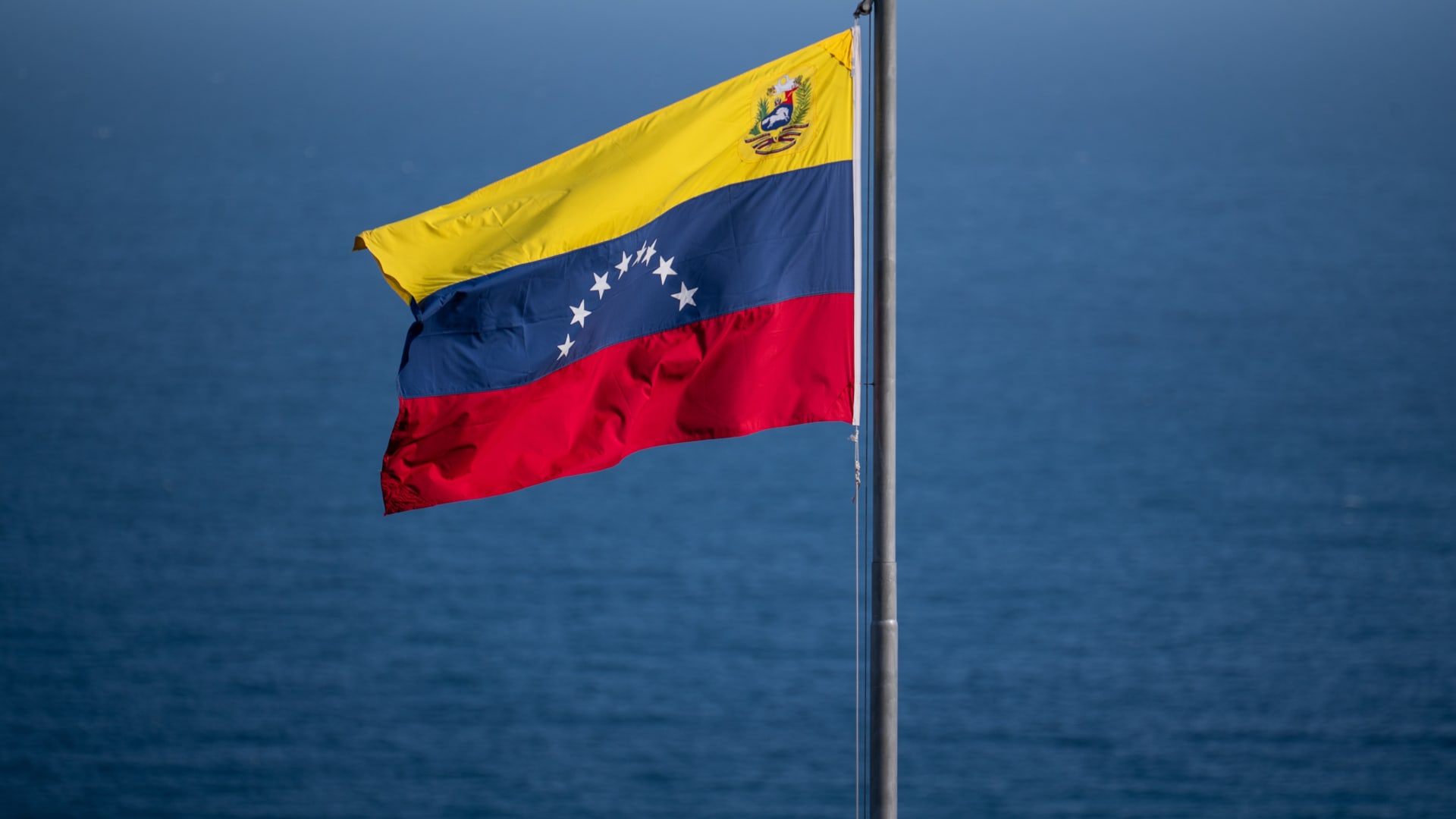
The geopolitical landscape of global oil supply has once again intensified, with the recent declaration from the U.S. administration signaling a “complete and total blockade” against tankers involved in Venezuelan oil trade. This aggressive stance, coupled with the designation of the Maduro regime as a foreign terrorist organization, introduces a new layer of risk and uncertainty into an already complex market. Our proprietary intelligence indicates that at least 34 U.S.-sanctioned oil tankers are currently navigating the Caribbean, with a dozen of these visibly laden with Venezuelan crude. The recent seizure of the tanker *Skipper* by U.S. forces serves as a clear precedent, underscoring the seriousness of this enforcement. For investors, the critical question is not just the immediate impact on Venezuela’s modest 900,000 barrels per day (bpd) output, which accounts for only 1% of global supply, but how this targeted disruption will ripple through broader market dynamics and influence crude price trajectories.
Immediate Supply Disruption and Targeted Enforcement
The U.S. directive specifically targets sanctioned vessels carrying Venezuelan crude, rather than a blanket prohibition on all tankers from other sanctioned nations like Iran or Russia. This precision suggests an intent to choke off revenue streams to the Maduro regime while minimizing collateral damage to the broader global oil market. Our data identifies 12 tankers, including the aforementioned *Skipper*, *Star Twinkle 6*, *Hyperion*, and *Boceanica*, that appear to be actively engaged in transporting Venezuelan oil and are now squarely in the crosshairs of U.S. enforcement. The seizure of *Skipper* last week demonstrates that these are not empty threats; U.S. authorities are prepared to act. Venezuela’s primary export market, China, which absorbs approximately 76% of its crude output, along with Cuba, are expected to bear the brunt of any effective blockade, as U.S.-licensed flows, such as those facilitated by Chevron, are anticipated to remain intact. This targeted approach implies a disruption to a specific, already-sanctioned segment of the market rather than a widespread supply shock.
Market Response: A Disconnect Between Headline Risk and Price Action
Despite the significant geopolitical headline, the immediate market reaction has been notably subdued, a clear divergence from what might typically accompany such a supply-side threat. As of today, Brent crude trades at $91.87, representing a notable 7.57% decline, while WTI crude sits at $84, down 7.86% within the same trading session. This downward pressure extends beyond a single day; our 14-day trend analysis reveals a significant downturn for Brent, plummeting from $112.78 on March 30th to its current $91.87 – an 18.5% erosion of value. This contrasts sharply with a brief 2% rally observed shortly after the initial announcement, which quickly dissipated. The prevailing sentiment among analysts suggests that the market views the Venezuelan segment as largely separate, operating within a “two-tiered” system where sanctioned barrels are already priced at a discount and face inherent logistical hurdles. The existing oversupply in this specific segment, coupled with broader macroeconomic concerns, appears to be overshadowing the potential loss of Venezuela’s relatively small contribution to global supply.
Investor Focus: Long-Term Outlook Amidst Short-Term Volatility
Our proprietary reader intent data reveals a clear focus among investors this week on the longer-term trajectory of crude prices, with a recurring question about oil prices by the end of 2026. This indicates that while immediate events grab headlines, investors are seeking to understand how these dynamics play into fundamental shifts. The targeted blockade on Venezuelan oil, while not a game-changer for overall global supply, contributes to the fragmented nature of the market. The persistent question regarding OPEC+’s current production quotas also underscores investor anxiety about the supply-demand balance. Will OPEC+ consider adjusting its strategy in response to any actual, albeit minor, supply disruptions, or will they maintain their current cautious approach, especially given the ongoing price volatility? The current decline in crude prices, despite geopolitical tensions, suggests that market participants are more concerned with global demand indicators and the collective production strategy of major exporters than with specific, localized supply risks.
Navigating the Next Fortnight: Key Market Catalysts
The coming two weeks are packed with events that will shape short-term market sentiment and provide further clarity on the interplay between supply risks and demand fundamentals. The full OPEC+ Ministerial Meeting scheduled for April 18th is paramount. Investors will scrutinize any statements or decisions regarding production targets, particularly in light of current price weakness and any new supply-side risks stemming from Venezuela. Following this, the API Weekly Crude Inventory report on April 21st and the EIA Weekly Petroleum Status Report on April 22nd will offer critical insights into U.S. crude stockpiles, acting as a barometer for demand and domestic supply. These reports will be repeated on April 28th and 29th, providing a continuous pulse on inventory levels. Furthermore, the Baker Hughes Rig Count on April 24th and May 1st will indicate the activity levels of U.S. producers, signaling their responsiveness to current price environments. While the Venezuelan situation introduces a fresh geopolitical element, these regular data releases will likely exert a more immediate and significant influence on price discovery in the near term, offering tangible metrics against which to assess the market’s health.