India’s Maritime Ambition: A Strategic Energy Play for Global Investors
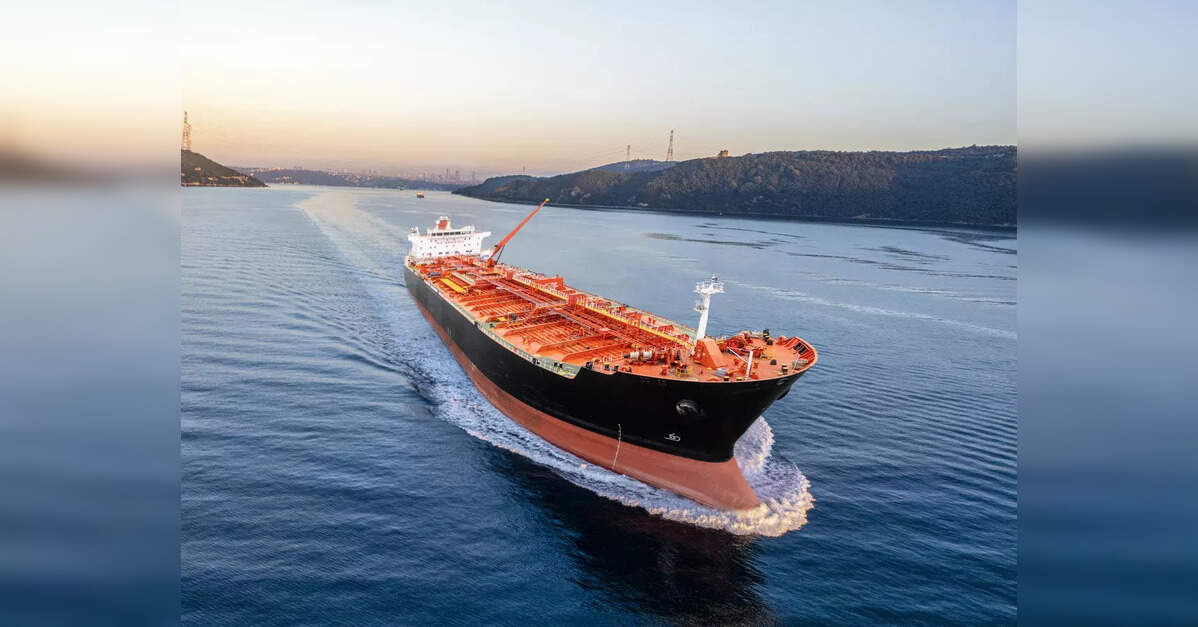
India is embarking on an ambitious journey to reshape its role in global maritime trade, positioning itself as a central hub for energy logistics and shipbuilding. Under the Maritime Amrit Kaal Vision 2047, the nation aims to handle an astounding 20% of global vessel traffic within the next 15 years. This strategic initiative, spearheaded by Petroleum and Natural Gas Minister Hardeep Singh Puri’s recent engagements with Korean shipbuilding and shipping giants like HD Hyundai and Hanwha Ocean, signals a profound shift towards enhancing India’s energy security and economic self-reliance. For investors, this represents a significant long-term opportunity in infrastructure, shipbuilding, and energy logistics, underpinned by a projected annual freight spending of $5-8 billion.
The core of India’s strategy involves a substantial investment of $24 billion under the Maritime Amrit Kaal Vision, with $8 billion specifically earmarked for fleet expansion. This investment targets an increase in India’s commercial fleet from 1,500 to 2,500 vessels, alongside the development of robust maritime infrastructure. The “Make in India for the World” ethos is central, creating a compelling demand signal for global shipbuilders to partner with India’s manufacturing base. Notably, India’s oil and gas Public Sector Undertakings (PSUs) alone are slated to procure 59 crude, LNG, and ethane vessels. Furthermore, ONGC projects a requirement for nearly 100 offshore service and platform supply vessels by 2034. These figures underscore a massive pipeline of demand that will drive growth in the marine manufacturing and services sectors for decades to come, reducing India’s current reliance on foreign-flagged vessels for its substantial $150 billion-plus seaborne energy imports.
Navigating Volatility: India’s Long-Term Vision Against Current Market Headwinds
India’s long-term maritime vision unfolds against a backdrop of dynamic and often volatile global energy markets. As of today, April 17th, 2026, Brent crude trades at $88.86 per barrel, reflecting a significant 10.59% drop from its daily high. WTI crude also saw a sharp decline, now at $81.35, down 10.77%. This recent downturn follows a broader trend, with Brent having fallen from $112.57 on March 27th to $98.57 just yesterday, a decline of over 12% in less than three weeks. Gasoline prices have similarly pulled back, currently at $2.9, down 6.15%. While these price movements present short-term challenges for energy producers and consumers alike, they amplify the strategic imperative behind India’s maritime expansion.
For India, which relies entirely on seaborne imports for its crude and gas needs—accounting for nearly 28% of its total trade by volume—reducing freight costs and ensuring supply chain resilience becomes paramount in a fluctuating price environment. The current market volatility, though impactful on quarterly earnings, underscores the value of India’s structural investment in owning and operating a larger, more modern fleet. By increasing its domestic shipping capacity beyond the current 20% of cargo carried on Indian-flagged vessels, the nation aims to mitigate exposure to international shipping rate fluctuations and geopolitical disruptions, transforming a significant portion of its annual $5-8 billion freight spending into a domestic economic driver.
Upcoming Catalysts and Geopolitical Implications for India’s Maritime Future
The strategic partnership with South Korea’s shipbuilding prowess is a critical enabler for India’s vision, leveraging advanced ship design and smart shipyard systems to accelerate fleet expansion and infrastructure development. Looking ahead, investors should closely monitor several upcoming energy events that could shape the global oil market and, by extension, influence the economics and strategic urgency of India’s maritime plans. The OPEC+ Joint Ministerial Monitoring Committee (JMMC) meeting tomorrow, April 17th, followed by the Full Ministerial Meeting on April 18th, will be key.
Any decisions on production quotas could significantly sway global crude prices, directly impacting India’s substantial energy import bill and influencing the economic rationale for its accelerated fleet expansion. A tighter market due to supply cuts could make India’s quest for shipping self-reliance even more critical. Furthermore, the weekly API and EIA inventory reports on April 21st/22nd and April 28th/29th, alongside the Baker Hughes Rig Count on April 24th and May 1st, will provide crucial insights into short-term supply-demand dynamics. These data points will offer a clearer picture of market health, which, while not directly tied to India’s shipbuilding timelines, will certainly inform the broader investment climate and the perceived value of long-term energy infrastructure plays.
Investor Focus: Addressing Future Oil Prices and India’s Role in Global Energy Security
The investment community is keenly focused on the future trajectory of oil prices, with many asking about predictions for “the price of oil per barrel by end of 2026” and current “OPEC+ production quotas.” While short-term price forecasts are inherently complex given geopolitical variables and supply-demand shifts, India’s ambitious maritime expansion offers a compelling long-term thesis that transcends immediate market fluctuations. India’s commitment to grow its commercial fleet and its overall maritime infrastructure through a $24 billion investment is a clear signal of confidence in sustained, significant global energy demand.
This initiative directly addresses India’s energy security, ensuring the reliable and cost-effective transport of its critical energy imports regardless of external market conditions. By fostering domestic shipbuilding capabilities and increasing the share of Indian-flagged vessels, the nation is building resilience against future supply chain shocks. For investors, this represents a structural play on one of the world’s largest and fastest-growing economies solidifying its energy logistics. India’s projected demand for crude oil, LPG, LNG, and ethane will remain a powerful force in global energy markets, making its strategic investments in maritime infrastructure a foundational element for any long-term energy portfolio.


