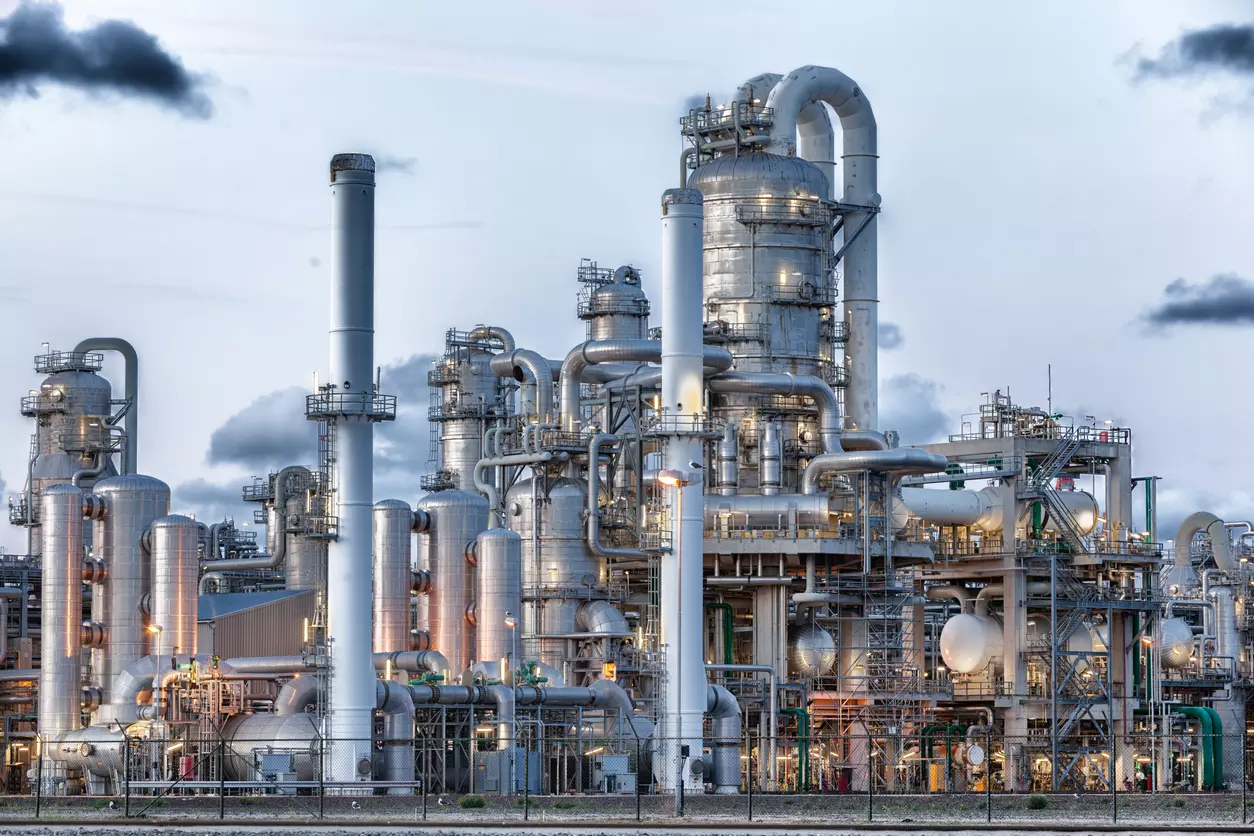
The commencement of natural gas supply to Numaligarh Refinery Limited (NRL) through a section of the Guwahati–Numaligarh Pipeline (GNPL) marks a pivotal moment for India’s energy landscape. This event, driven by Indradhanush Gas Grid Limited (IGGL), signifies the historic commercial operation of the Northeast Gas Grid (NEGG), a flagship initiative designed to integrate the nation’s northeastern states into the broader National Gas Grid. For investors, this development represents more than just a pipeline commissioning; it signals significant progress in regional energy security, economic development, and the expansion of a crucial growth market within India’s vast energy consumption profile. As global energy markets continue their complex dance, understanding the strategic importance and investment implications of such foundational infrastructure projects becomes paramount.
The Strategic Imperative: Fueling India’s Northeast Growth Engine
The vision of “One Nation, One Gas Grid” takes a substantial step forward with the commercial launch of the Northeast Gas Grid. IGGL, a joint venture of five prominent Public Sector Undertakings—Indian Oil Corporation Limited (IOCL), Oil and Natural Gas Corporation Limited (ONGC), GAIL (India) Limited (GAIL), Oil India Limited (OIL), and Numaligarh Refinery Limited (NRL)—is at the forefront of this transformative project. The recent activation of gas supply via the Guwahati–Numaligarh section is not merely an operational milestone; it’s the first commercial flow through IGGL’s extensive pipeline network, proving the viability and readiness of this critical infrastructure. The NEGG aims to connect all eight states of the Northeast to the national grid, ensuring a reliable and sustainable supply of natural gas, which is vital for industrial growth and the adoption of cleaner fuels across the region. The 554-kilometer Phase I pipeline network, which includes the GNPL traversing challenging terrains, is an engineering feat that underscores the national commitment to extending modern energy access to remote areas. This initial success paves the way for future connections to other major industrial consumers and expanding City Gas Distribution (CGD) networks, unlocking substantial untapped demand.
Navigating Volatility: NEGG’s Resilience in a Shifting Market
The strategic deployment of the Northeast Gas Grid occurs against a backdrop of notable volatility in global energy markets. As of today, Brent Crude trades at $90.38 per barrel, marking a significant 9.07% decline from its previous close, with a day range between $86.08 and $98.97. Similarly, WTI Crude stands at $82.59, down 9.41% within a day range of $78.97-$90.34. This downturn is part of a broader trend; Brent has fallen from $112.78 on March 30, 2026, to its current $90.38 as of April 17, 2026, representing a nearly 20% drop in just over two weeks. This environment, characterized by downward price pressure in crude, paradoxically underscores the long-term value proposition of natural gas infrastructure projects like NEGG. While gasoline prices have also seen a dip to $2.93, down 5.18%, the underlying demand for cleaner, more stable energy sources remains robust. Investment in gas grids provides critical energy security and diversification for a rapidly developing economy, insulating it from the more immediate and pronounced fluctuations seen in the global crude market. For the PSU partners, NEGG represents a strategic asset that stabilizes and diversifies their revenue streams, capitalizing on India’s structural shift towards a gas-based economy.
Forward Outlook: Catalysts and Investor Queries for India’s Gas Future
Looking ahead, the successful commencement of gas supply to NRL is merely the initial spark for the Northeast Gas Grid. The focus now shifts to the complete commissioning of the entire 554 km Phase I pipeline and the subsequent expansion to integrate more industrial consumers and City Gas Distribution networks. These developments are crucial for realizing the full economic potential of the project and will be closely monitored by investors keenly interested in India’s long-term energy trajectory. Many of our readers are currently asking about the trajectory of oil prices, particularly “what do you predict the price of oil per barrel will be by end of 2026?” and “What are OPEC+ current production quotas?” While NEGG primarily deals with natural gas, the broader crude market sentiment and supply-side decisions from groups like OPEC+ inevitably influence the overall energy investment landscape and the relative attractiveness of gas. Investors are seeking clarity amidst global uncertainties, and regional gas infrastructure offers a compelling counter-cyclical or diversification play.
The coming days and weeks are packed with events that could shape this macro environment. The OPEC+ JMMC Meeting on April 19, followed by the OPEC+ Ministerial Meeting on April 20, will be critical in setting production policy and influencing crude price direction. Closer to home for fundamental data, the API Weekly Crude Inventory on April 21 and the EIA Weekly Petroleum Status Report on April 22 will provide fresh insights into U.S. supply and demand dynamics. Additionally, the Baker Hughes Rig Count on April 24 offers a snapshot of upstream activity. These events, while global in nature, contribute to the sentiment and capital allocation decisions that ultimately impact investment flows into all energy sub-sectors, including India’s growing gas market. The NEGG project, therefore, is not an isolated venture but a key component in India’s integrated energy strategy, providing stability and growth potential irrespective of short-term crude gyrations.
Investment Implications: Unlocking Value in India’s Gas Sector
For investors seeking exposure to India’s burgeoning energy demand and structural growth story, the NEGG project offers compelling implications. Pipeline infrastructure, particularly in a developing market with significant unmet demand like Northeast India, typically offers stable, regulated returns and long-term revenue visibility. The joint venture structure, involving five leading PSUs, de-risks the investment by pooling expertise and financial strength, ensuring robust project execution and operational stability. As the NEGG expands beyond its initial supply to NRL, connecting more industrial users and CGD networks, it will unlock new revenue streams and foster widespread economic development in a region historically underserved by modern energy infrastructure. The push for cleaner fuels also aligns with global environmental, social, and governance (ESG) mandates, potentially attracting a broader pool of capital. This strategic asset enhances the parent companies’ integrated energy portfolios, reducing their reliance on volatile crude oil prices and positioning them favorably for India’s energy transition. Investing in projects like NEGG is a long-term play on India’s intrinsic growth, its commitment to energy security, and the irreversible shift towards a more diversified and sustainable energy mix.


