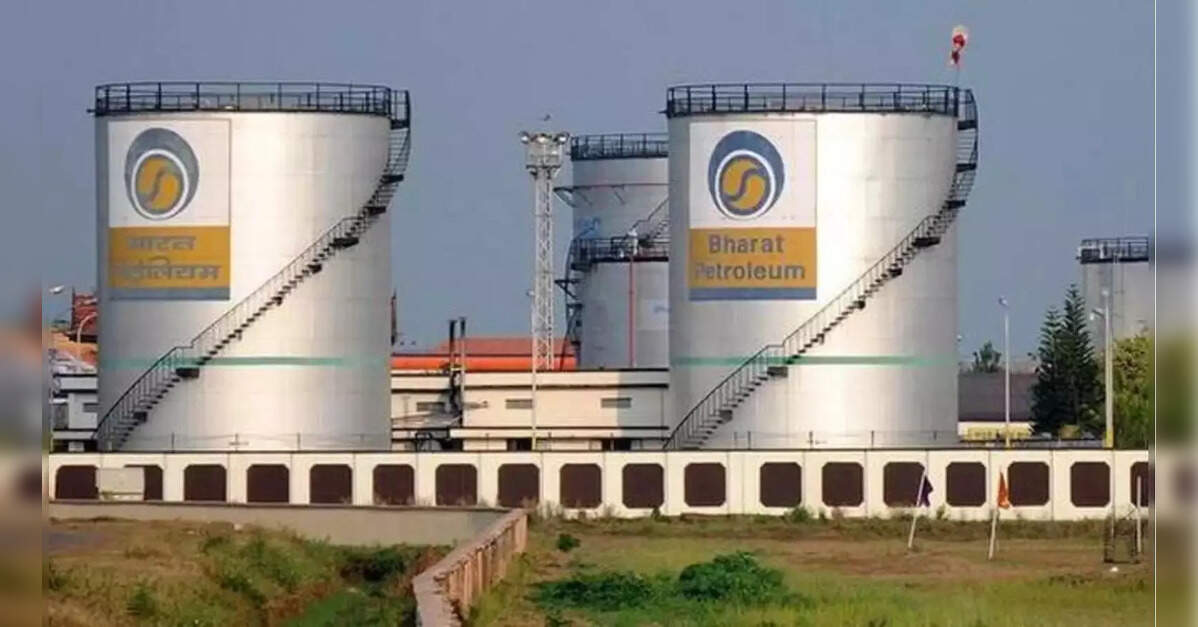
The global oil market continues to navigate a complex web of geopolitical pressures and shifting supply dynamics, compelling major refiners to re-evaluate their sourcing strategies. A prime example of this strategic pivot is the recent acquisition of 2 million barrels of Abu Dhabi’s Upper Zakum crude by Bharat Petroleum Corp (BPCL) in a spot tender for December loading. This move, facilitated by ADNOC Trading, underscores a broader trend among major energy consumers to enhance supply security and diversify away from traditional, now geopolitically constrained, sources. For investors, understanding these granular shifts is crucial, as they ripple through the entire energy value chain, influencing everything from regional pricing to long-term investment horizons in crude production and refining assets.
Strategic Diversification Amidst Geopolitical Realignment
The decision by BPCL to secure Upper Zakum crude directly reflects the ongoing impact of international sanctions on key Russian oil producers, specifically Rosneft and Lukoil. As a significant player in the Indian refining sector, BPCL typically procures approximately 14.66 million barrels of oil from the spot market each month, with a substantial portion historically originating from Russia. The company has articulated a clear strategy: continuing to source around half of its Russian spot requirements from non-sanctioned entities, while actively seeking alternative, non-Russian supplies for the remainder. This recent 2 million barrel purchase of Abu Dhabi crude is a tangible manifestation of this diversification strategy, signaling a deliberate effort to de-risk supply chains and ensure operational continuity.
This shift has profound implications for global crude flows. Countries in the Middle East, particularly the UAE with its robust production capabilities and stable geopolitical standing, are increasingly positioned as critical alternative suppliers. The Upper Zakum grade, known for its consistent quality, offers a viable substitute for refiners accustomed to medium sour crudes, broadening the options available in a tight market. For investors, this trend highlights the growing strategic value of Middle Eastern crude producers and their associated trading arms, which are likely to see sustained demand for their offerings as refiners recalibrate their procurement strategies.
Navigating Price Volatility and Investor Uncertainty
The backdrop for these strategic sourcing adjustments is a highly volatile crude market. As of today, Brent crude trades at $90.38 per barrel, reflecting a notable 9.07% decline within the day, with its range fluctuating between $86.08 and $98.97. Similarly, WTI crude stands at $82.59, down 9.41% for the day. This recent downturn follows a steeper trajectory over the past two weeks, where Brent has shed $22.4, or nearly 19.9%, from its March 30 price of $112.78. Such sharp swings naturally breed investor uncertainty, prompting vital questions about the future trajectory of oil prices.
Many investors are actively seeking clarity, with a frequently asked question being: “What do you predict the price of oil per barrel will be by the end of 2026?” This level of market anxiety underscores the critical nature of understanding underlying supply and demand fundamentals, alongside geopolitical catalysts. While the specific purchase by BPCL might seem like a single transaction, it is indicative of a broader market-wide effort to secure stable supply in an environment where traditional assumptions about crude availability are being challenged. This diversification, while aiming for security, also introduces new dynamics into regional pricing and grade differentials, which investors must closely monitor.
Upcoming Events to Shape Market Direction
The immediate future holds several pivotal events that will undoubtedly influence crude market direction and provide further insights for investors. Critically, the OPEC+ Joint Ministerial Monitoring Committee (JMMC) is scheduled to meet on Sunday, April 19, followed by the full OPEC+ Ministerial Meeting on Monday, April 20. These gatherings are of paramount importance, especially given the recent dip in crude prices and the ongoing discussions around global supply levels.
A central concern for investors, frequently expressed in queries such as “What are OPEC+ current production quotas?”, will be whether the alliance opts to maintain, adjust, or potentially deepen existing production cuts. Any deviation from current policy could significantly impact market sentiment and price stability. Furthermore, the market will closely watch the weekly API and EIA crude inventory reports on April 21, 22, 28, and 29, respectively, for signs of demand strength or weakness. The Baker Hughes Rig Count, scheduled for April 24 and May 1, will offer a glimpse into North American production trends. These upcoming data points, combined with continued geopolitical developments and strategic procurement shifts like BPCL’s, will paint a clearer picture of the supply-demand balance and inform investment decisions in the coming months.
Investment Implications in a Shifting Landscape
For long-term investors in the oil and gas sector, the ongoing realignment of global crude supply chains presents both challenges and opportunities. Companies with diversified asset portfolios, particularly those with access to multiple crude grades and flexible logistics, are better positioned to navigate market disruptions. Producers like ADNOC, which can reliably supply high-demand grades such as Upper Zakum, are likely to see increased strategic importance and potential for sustained revenue streams.
Conversely, refiners heavily reliant on a single, geopolitically vulnerable source face increased operational risks and potentially higher spot market premiums for replacement barrels. The strategic imperative for supply security will likely drive further investment in long-term supply contracts and joint ventures, favoring integrated energy majors and national oil companies with robust production and trading capabilities. As the market continues to evolve, the ability of companies to adapt to these shifts, secure diverse supplies, and effectively manage risk will be a key differentiator for investor success.


