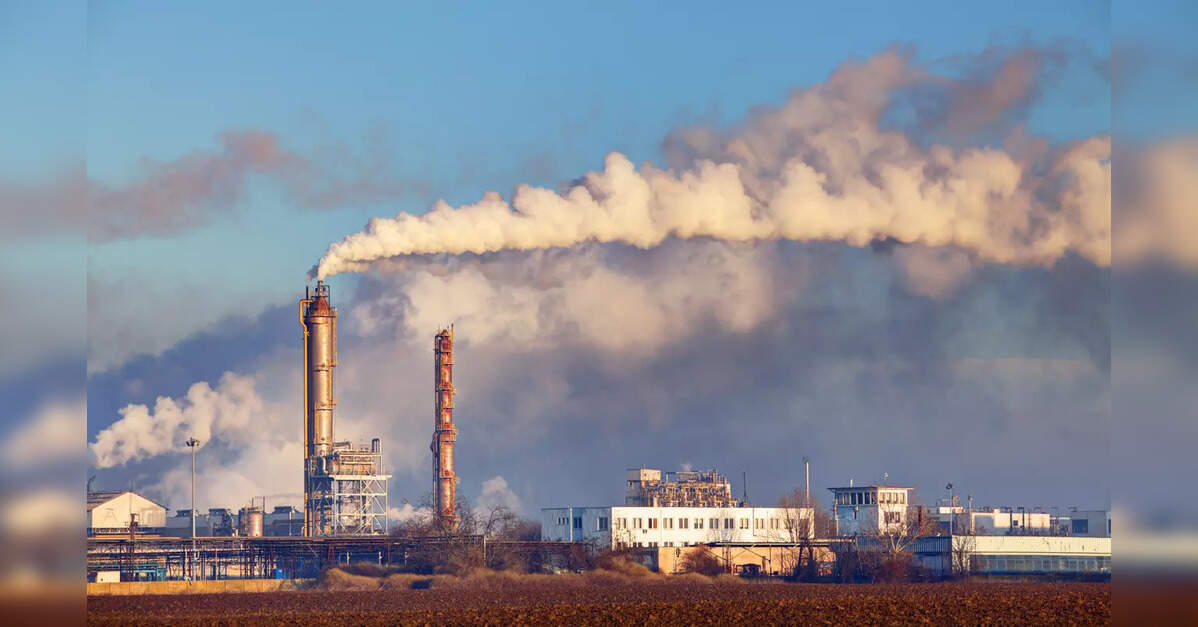
The global upstream oil and gas industry is facing an accelerating challenge that demands immediate investor attention: a significant resurgence in methane emissions. Far from a gradual uptick, recent satellite monitoring data reveals a startling 40% year-on-year increase in detected methane plumes during the first quarter. This marks a concerning reversal after a multi-year decline, posing substantial environmental, regulatory, and financial risks for energy companies and their stakeholders. For discerning investors, understanding the drivers behind this surge, its regional disparities, and the implications of enhanced transparency is crucial for navigating future market dynamics and identifying resilient portfolio opportunities.
The Alarming Surge in Methane Emissions and its Regional Nuances
The scale of the recent increase in methane emissions from oil and gas operations is undeniable. In the first quarter alone, approximately 45,000 methane plumes were detected globally, a sharp rise from the 31,000 observed in the same period last year. This volume represents an estimated 45 million tonnes of CO₂-equivalent emissions, underscoring methane’s potency as a greenhouse gas and its critical role as a near-term climate mitigation target. Unlike CO₂, which lingers for centuries, methane dissipates relatively quickly, making its reduction an immediate focus for climate action and a growing pressure point for the energy sector.
This emissions surge is not uniformly distributed across the globe, revealing distinct regional patterns. China’s upstream oil and gas activities have seen a dramatic nearly one-third increase in methane emissions, making it a significant contributor to the global rise. The United States also experienced an uptick, with emissions increasing by approximately 4%, largely attributed to expanding production in key shale regions such as the Bakken. Conversely, Russia recorded a 5% decline, a consequence primarily linked to reduced output stemming from the ongoing conflict in Ukraine. Satellite imagery confirms that major plumes are now routinely detected over active production sites across the Middle East, North Africa, China, North America, and Russia. While these regions inherently have high absolute emissions due to vast hydrocarbon extraction volumes, the varying rates of increase highlight crucial differences in operational efficiency, infrastructure integrity, and the efficacy of current mitigation strategies across different national and corporate landscapes.
Market Volatility Meets Mounting Environmental Pressure
The broader energy market currently presents a complex picture for investors, with commodity prices experiencing notable volatility. As of today, Brent crude trades at $90.38 per barrel, marking a significant 9.07% decline from yesterday’s close, while WTI crude sits at $82.59, down 9.41%. This immediate downturn follows a broader bearish trend for Brent, which has shed nearly 20% over the last two weeks, plummeting from $112.78 to its current level. Gasoline prices also reflect this softening, trading at $2.93, down 5.18%.
While these price movements are driven by immediate supply-demand dynamics and macroeconomic factors, the rising tide of methane emissions introduces a growing, often underpriced, risk factor. The market’s focus on short-term commodity price fluctuations risks overlooking the burgeoning long-term liabilities associated with environmental performance. For producers, the increasing frequency and detection of methane plumes signify a potential for higher operational costs, whether through mandated repairs, regulatory fines, or increased carbon pricing mechanisms. For investors, this creates an “ESG paradox”: while the market chases returns in a volatile environment, the underlying environmental footprint of many operations is expanding, potentially eroding future valuations. Companies with high methane intensity, particularly those operating in regions like China and the U.S. shale plays where emissions are spiking, face enhanced scrutiny and a higher probability of future regulatory intervention or carbon border adjustment mechanisms impacting their profitability and market access.
Enhanced Transparency and Investor Scrutiny
A critical shift in emissions monitoring is fundamentally reshaping the investment landscape: the advent of real-time, verifiable satellite detection. For years, methane reporting relied heavily on self-disclosure by companies and national inventories, often leading to discrepancies and a lack of granular insight. Now, independent satellite technology provides an objective, granular dataset, directly observing plumes as they rise into the atmosphere. This technological leap is exposing a significant gap between reported emissions and actual leak events, with many of the largest releases not appearing in company disclosures.
This enhanced transparency directly addresses questions our readers are increasingly asking. Investors are seeking robust, verifiable data to inform their decisions, moving beyond company press releases to independent sources. The ability to monitor emissions from space provides precisely this level of independent validation. This new era of transparency forces investors to re-evaluate their portfolios. Are the environmental, social, and governance (ESG) ratings assigned to companies still accurate if they are based on incomplete or outdated self-reported data? How will this impact M&A due diligence, project financing, and the cost of capital for operators with poor methane performance? Companies that embrace this transparency and proactively invest in mitigation, rather than waiting for regulatory mandates, are likely to gain a significant competitive advantage, commanding better valuations and attracting capital from an increasingly ESG-conscious investor base. Conversely, those that lag risk reputational damage, increased regulatory burden, and potentially higher cost of capital.
Navigating Future Regulations and Operational Imperatives
The confluence of rising methane emissions and increased monitoring sets the stage for significant forward-looking implications for the oil and gas sector. With key energy events on the horizon, including the OPEC+ JMMC Meeting on April 19th and the full OPEC+ Ministerial Meeting on April 20th, the global supply outlook remains a dominant concern for investors. While these meetings primarily focus on production quotas and market stabilization, the increasing pressure on methane emissions could subtly influence future strategic discussions. Will methane intensity become a factor in how nations are viewed or how future production allocations are discussed, especially as major consuming nations ramp up their climate commitments?
Further insights into market fundamentals will arrive with the API Weekly Crude Inventory reports on April 21st and 28th, followed by the EIA Weekly Petroleum Status Reports on April 22nd and 29th. These data points, alongside the Baker Hughes Rig Count on April 24th and May 1st, will paint a clearer picture of production trends. However, investors must consider that increased production, particularly in regions prone to methane leaks, will only exacerbate the emissions problem if not accompanied by robust mitigation efforts. Seasonal patterns also reveal a cyclical challenge, with colder temperatures in certain regions leading to increased operational stress and higher emissions during winter months. This suggests that the problem is not static but has predictable peaks requiring proactive, year-round strategies.
Looking ahead, the heightened visibility of methane leaks will inevitably lead to stronger policy responses globally. Investors should anticipate the potential for more stringent methane performance standards, carbon tariffs on high-emission imports, and increased pressure from international bodies. Companies that proactively invest in leak detection and repair (LDAR) technologies, upgrade aging infrastructure, and implement comprehensive methane management programs will be best positioned to thrive in this evolving regulatory landscape. The fact that most leaks, once detected, can be repaired quickly presents both an immediate challenge and a clear operational opportunity for operators to demonstrate commitment and secure their long-term social license to operate.


