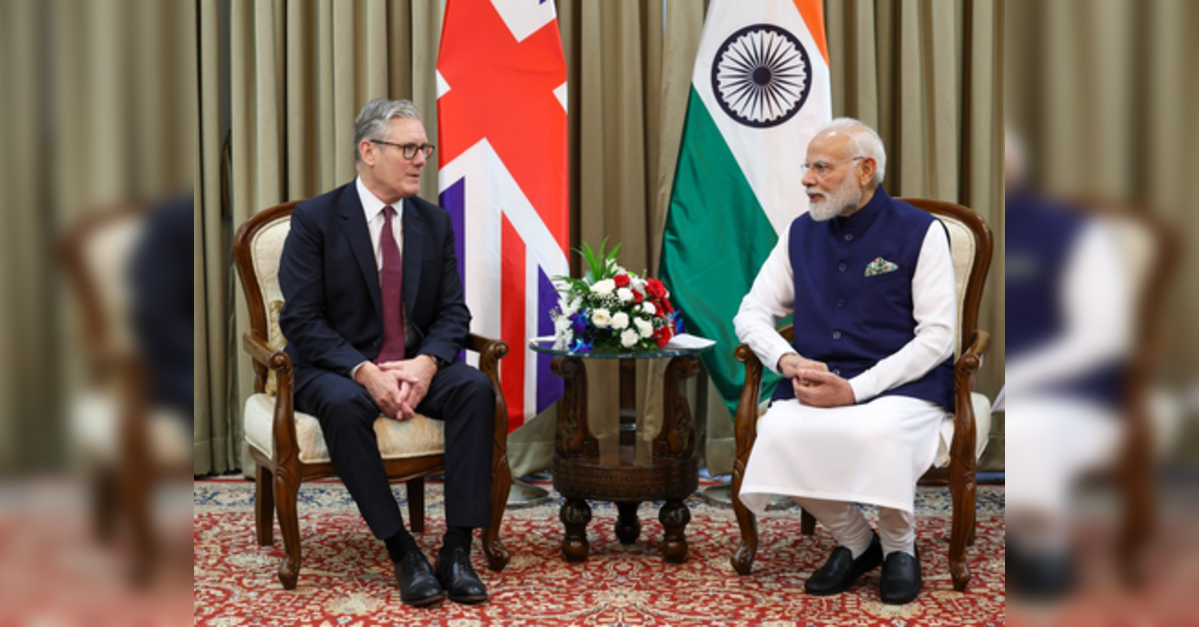
The recent high-level discussions between UK Prime Minister Keir Starmer and Indian Prime Minister Narendra Modi in Mumbai underscore the persistent geopolitical friction impacting global energy markets. PM Starmer confirmed that India’s ongoing purchases of Russian oil amidst the Russia-Ukraine conflict were a central topic, reflecting the UK’s leadership in the “coalition of the willing” supporting Ukraine. While the UK’s focus remains on “ending the conflict” and exploring various steps, including measures against the “shadow fleet” used by Russia to bypass sanctions, the immediate market reaction signals a complex interplay of forces. These diplomatic exchanges, though not immediately prescriptive, offer crucial insights into the evolving landscape of global energy trade and the formidable challenges facing investors.
Geopolitical Chess and Crude Realities
As of today, Brent crude trades at $90.38 per barrel, registering a notable 9.07% decline within a day range spanning $86.08 to $98.97. Similarly, WTI crude has fallen by 9.41% to $82.59, with its daily range between $78.97 and $90.34. This significant intraday volatility is not isolated; our proprietary data pipelines reveal a substantial downward trend for Brent, which has shed $22.4, or 19.9%, from $112.78 on March 30th to its current level. This pronounced market softening, even amidst ongoing geopolitical pressure points, indicates that while political dialogue continues, the physical supply of crude, partly facilitated by the shadow fleet, and broader macroeconomic concerns are currently exerting greater downward pressure on prices. Investors are clearly weighing the long-term implications of these discussions against immediate supply dynamics and demand forecasts, creating a complex trading environment where sentiment shifts rapidly.
India’s Strategic Calculus and the Shadow Fleet’s Enduring Role
A frequent query from our readers revolves around the efficacy of sanctions and the role of the “shadow fleet.” The UK’s explicit mention of this fleet during high-level talks confirms its critical function in sustaining Russian oil exports. India’s position is rooted in economic pragmatism and energy security. As a rapidly growing economy, India requires vast quantities of affordable energy, and Russian crude, often available at a discount, fulfills this strategic imperative. This approach directly challenges the Western coalition’s efforts to restrict Russia’s energy revenues, demonstrating the limitations of sanctions without universal adherence.
The “shadow fleet” is not merely a handful of rogue tankers; it is a sophisticated, evolving ecosystem of older vessels operating under complex ownership structures, often leveraging non-Western insurance and financial services. This network effectively circumvents traditional maritime regulations and Western sanctions, ensuring that a significant volume of Russian oil continues to reach global markets. This sustained, albeit opaque, supply directly impacts the global oil balance. It complicates the efforts of OPEC+ to manage crude prices, prompting questions from investors like “What are OPEC+ current production quotas?” The shadow fleet represents a substantial, largely unaccounted-for supply stream that acts outside the traditional OPEC+ framework, making market forecasting significantly more challenging and contributing to the downward pressure on prices we’ve observed.
Upcoming Catalysts for Oil Price Discovery
The next two weeks are critically important for investors seeking to “predict the price of oil per barrel by end of 2026,” as a series of high-impact events will provide fresh market direction. The OPEC+ Joint Ministerial Monitoring Committee (JMMC) Meeting on April 19th, followed immediately by the OPEC+ Ministerial Meeting on April 20th, stand as the most significant near-term catalysts. These gatherings will dictate the collective production policy of the world’s leading oil producers. Given the recent steep decline in crude prices, the market will be keenly watching for any signals of deeper production cuts or a reaffirmation of current quotas, which could either stabilize or further destabilize prices depending on the decision.
Beyond OPEC+, critical weekly data releases will offer granular insights into market fundamentals. The API Weekly Crude Inventory on April 21st and the EIA Weekly Petroleum Status Report on April 22nd will provide the latest figures on U.S. crude stocks, refining activity, and demand indicators. Unexpected builds or drawdowns in these inventories can trigger swift price movements. Following this, the Baker Hughes Rig Count on April 24th will offer a look into future U.S. domestic supply potential. These data points, especially when viewed collectively, will be instrumental in calibrating investor expectations for both short-term price fluctuations and the broader trajectory leading into the latter half of 2026. The continued influx of Russian oil via the shadow fleet will undoubtedly be a silent factor influencing OPEC+’s decisions and the overall supply-demand balance reported by EIA and API.
Investment Implications and Strategic Positioning
For oil and gas investors, the current environment demands a nuanced approach, balancing geopolitical risks with fundamental supply and demand dynamics. The dialogue between the UK and India highlights the enduring geopolitical segmentation of energy markets. While Western nations aim to penalize Russia, major consumers like India prioritize stable, affordable energy supplies. This dichotomy creates both risks and opportunities. Companies involved in traditional Western-aligned supply chains face the challenge of navigating evolving sanctions and trade routes. Conversely, entities with exposure to alternative shipping, financing, or refining networks that handle discounted Russian crude might find themselves in an advantageous position, albeit with heightened regulatory scrutiny.
The volatility seen in crude prices, with Brent dropping nearly 20% in two weeks, underscores the need for robust risk management. Investors are right to question the performance of specific companies, such as “How well do you think Repsol will end in April 2026?” The performance of integrated oil majors like Repsol will hinge on their geographical exposure, their refining margins – which can benefit from discounted crude feedstocks if accessible – and their ability to adapt to a fragmented global market. Forward-thinking investors will scrutinize balance sheets for resilience against price swings and evaluate operational flexibility to capitalize on shifts in supply origins and demand centers. The ongoing evolution of trade relationships and the persistence of the shadow fleet mean that successful energy investing requires a keen eye not just on traditional market signals, but also on the intricate dance of global diplomacy and the resilient, often unconventional, pathways of crude to market.


