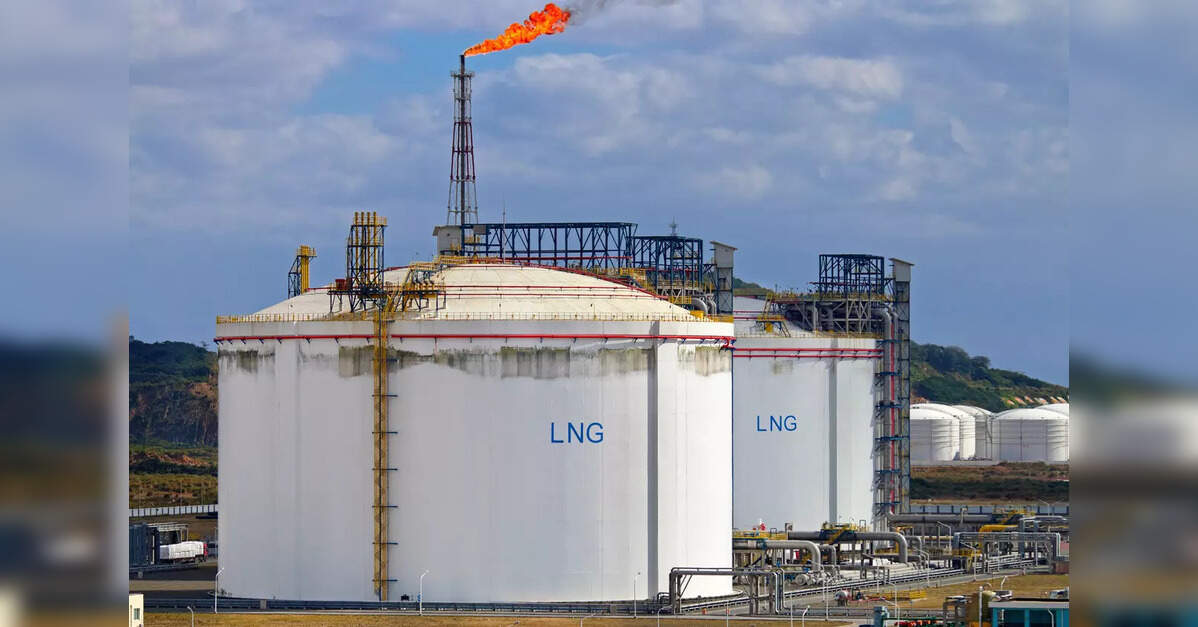
Shell is charting an assertive course for its future, with Liquefied Natural Gas (LNG) firmly positioned at the core of its growth strategy. Under CEO Wael Sawan, the European energy major is making a pronounced pivot, re-emphasizing natural gas as both a significant value driver and a critical component in the global energy transition. This strategic shift, initiated in January 2023, aims to bolster Shell’s financial performance and differentiate it within a rapidly evolving energy landscape. Sawan’s vision sees LNG demand soaring by 60 percent by 2040, ultimately comprising approximately 20 percent of global natural gas sales, a substantial increase from the current 13 percent.
The Strategic Imperative: LNG as a Core Growth Engine
Shell’s commitment to LNG is multifaceted, driven by both market opportunity and environmental considerations. CEO Sawan consistently highlights LNG’s role as one of the most effective fuels for lowering global emissions, particularly by displacing coal in high-growth economies across Asia, including India and China. This strategic rationale underpins Shell’s aggressive investment posture in the sector. The company has a robust pipeline of LNG projects globally, with developments planned in key regions such as Abu Dhabi, Nigeria, and Canada. This global footprint ensures diversified supply sources and access to diverse demand markets, positioning Shell to capitalize on the anticipated long-term demand surge for the super-chilled fuel. The company’s belief in the sector’s long-term viability is unequivocal, with Sawan stating, “We are absolutely committed to this sector,” signaling a definitive direction for capital allocation and operational focus.
Navigating Volatility: LNG’s Appeal Amidst Crude Swings
The current energy market underscores the prudence of Shell’s LNG-centric strategy. As of today, Brent crude trades at $90.38 per barrel, marking a significant 9.07% decline within a single trading session, with its daily range spanning $86.08 to $98.97. Similarly, WTI crude sits at $82.59, down 9.41% for the day. This recent volatility is not an isolated event; our proprietary market data reveals that Brent crude has plummeted from $112.78 on March 30, 2026, to its current $90.38 as of April 17, 2026 – a staggering 19.9% drop in less than three weeks. Such dramatic swings in crude prices highlight the inherent unpredictability of the global oil market, influenced by geopolitical events, supply decisions, and economic forecasts. In this environment, Shell’s pivot towards LNG offers a more stable, long-term growth vector, less susceptible to the immediate, sharp price corrections often seen in the crude market. Investors seeking sustained value in the energy sector may view Shell’s strategic emphasis on LNG as a hedge against the persistent volatility in crude oil, offering exposure to a commodity with a clearer demand growth trajectory.
Project Pipeline and Prudent Capital Allocation
Shell’s commitment to LNG is tangible, anchored by significant infrastructure projects. The recently completed LNG Canada facility stands as a landmark achievement, being the first major LNG export facility in Canada and the inaugural one on the west coast of North America. This facility represents a crucial node in Shell’s global LNG network, opening up new supply routes to Asian markets. While the initial phase is operational, the company is still carefully weighing a final investment decision (FID) on a second phase for the project. This decision is not taken lightly, despite strong government backing from both provincial and national levels, with Canadian Prime Minister Mark Carney even including the expansion on a list of nation-building projects to be expedited. Sawan’s cautious approach is informed by a broader market perspective. He has expressed surprise at the sheer number of FIDs being taken by competitors on what he describes as “higher end of the cost curve” LNG projects, questioning their economic rationality. This suggests Shell will exercise discipline, prioritizing market conditions and long-term economic viability over simply chasing capacity, ensuring that future expansions, like LNG Canada Phase 2, are brought online at the optimal time to maximize shareholder value.
Investor Focus: What the Market is Asking About Energy’s Future
Our proprietary reader intent data reveals that investors are keenly focused on the future direction of the energy market, with specific questions arising around commodity prices and supply dynamics. A recurring theme among investor queries this week includes “what do you predict the price of oil per barrel will be by end of 2026?” and “What are OPEC+ current production quotas?” These questions underscore a pervasive concern about crude oil’s future value and the influence of major producers. Shell’s strategic shift towards LNG directly addresses some of these underlying anxieties by offering a differentiated growth story. While the upcoming OPEC+ Ministerial Meeting on April 19, 2026, will undoubtedly influence short-term crude market sentiment, Shell’s long-term LNG strategy provides a clearer path for growth that is less directly tied to the immediate outcomes of such cartel decisions. By focusing on a commodity with robust demand fundamentals driven by energy transition goals, Shell aims to provide investors with a more predictable and resilient investment thesis compared to the often-turbulent crude oil landscape. This long-term focus on LNG provides a strategic counterpoint to the immediate concerns about crude price volatility and the efficacy of OPEC+ actions.


