The energy landscape continues its dynamic evolution, marked by increasing demand for sustainable solutions and a persistent drive towards electrification. For sophisticated oil and gas investors, navigating this transition requires a keen eye on both traditional market fundamentals and emerging technological breakthroughs. While crude prices remain a primary focus for many, the rapid advancements in battery technology, particularly for electric vehicles (EVs), present a compelling counter-narrative and potential long-term investment shifts. A recent collaboration between Taiwanese firm ProLogium Technology and French research organization CEA highlights a significant step forward in this arena: a solid-state battery module designed for unprecedented ease of disassembly and recycling. This innovation, slated for presentation at IAA Mobility 2025 in Munich, promises to redefine the lifecycle of EV batteries and, by extension, influence the broader energy investment calculus.
Revolutionizing Battery Lifecycle: The Design-for-Disassembly Principle
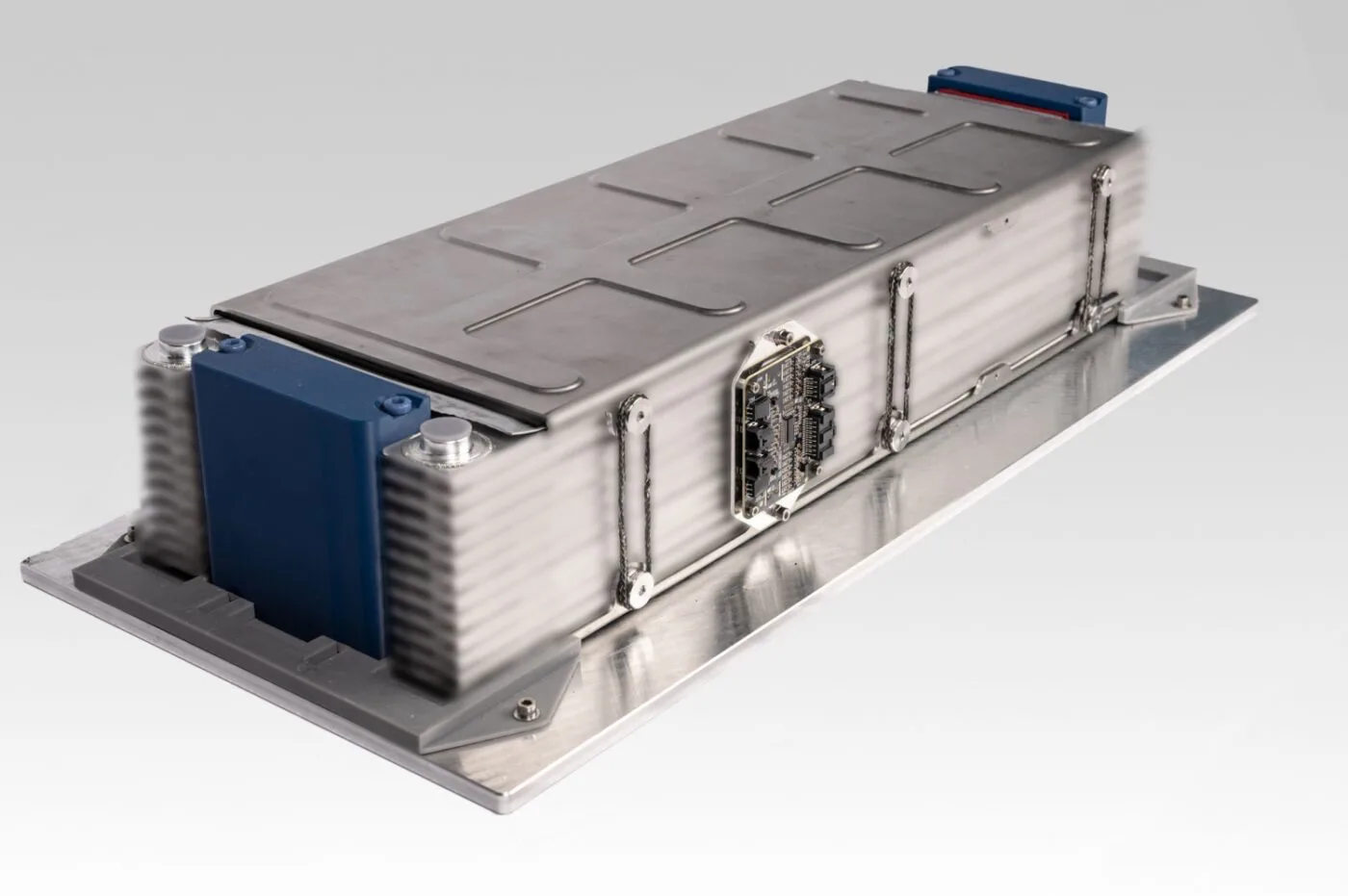
At the heart of ProLogium and CEA’s joint venture is the “Design-for-Disassembly” concept, a paradigm shift from conventional battery module construction. This prototype employs a non-welded structure, meticulously engineered to allow individual access and recovery of its cells. This is a crucial distinction from traditional liquid-electrolyte batteries, which often utilize cell-to-pack or cell-to-chassis designs to maximize energy density. While these conventional methods offer high energy density, they present significant limitations for repair and recycling; a single cell failure frequently necessitates the shredding and scrapping of an entire module. ProLogium’s ceramic solid-state cells inherently address this trade-off, offering high intrinsic energy density alongside enhanced safety and rapid charging capabilities, while simultaneously facilitating a modular, repairable structure without sacrificing compactness.
The implications for reducing electronic waste, shortening repair times, and vastly improving recycling efficiency are substantial. By enabling efficient separation of materials like electrolytes and electrodes, this design aligns perfectly with Europe’s strategic objectives for industrial autonomy and circularity within the battery sector. This forward-thinking approach also ensures compliance with upcoming EU battery regulations, further solidifying its market relevance and potential for widespread adoption in the automotive industry. Investors tracking the burgeoning EV market must recognize that such innovations are not merely incremental; they represent foundational shifts that can significantly impact the long-term viability and sustainability of electric mobility.
Strategic Footprint and European Energy Independence
The ProLogium-CEA collaboration extends beyond mere technological synergy; it carries significant strategic weight, particularly within the European context. CEA contributes its deep expertise in engineering, prototyping, and validation, while ProLogium supplies its cutting-edge solid-state ceramic cells. This partnership, initiated in 2024, has already yielded a tangible module mock-up, positioning itself as a scalable solution for the automotive industry. ProLogium’s commitment to France is well-established, having received 1.5 million euros in French state aid in 2023 for its “Prometheus” R&D project focused on recyclable solid-state batteries. Furthermore, the company has inaugurated its first overseas R&D center in Paris-Saclay and plans to commence construction of its first overseas gigafactory in Dunkirk next year. These investments underscore a deliberate strategy to localize advanced battery production and research within Europe, bolstering the continent’s ambitions for greater energy independence and resilience in critical supply chains. For investors, this regional focus mitigates geopolitical risks associated with distant manufacturing hubs and aligns with the growing emphasis on domestic industrial capabilities.
Navigating Market Dynamics: Battery Innovation Amidst Crude Volatility
While the long-term trajectory of battery technology points towards a transformative future, the immediate landscape for energy investors remains heavily influenced by traditional commodity markets. As of today, Brent crude trades at $98.33, reflecting a 1.07% decline within a daily range of $97.92 to $98.67. WTI crude also saw a dip, currently at $89.60, down 1.72%, ranging between $89.37 and $90.26. This daily fluctuation adds to a notable trend, with Brent having shed $14, or 12.4%, over the past 14 days, falling from $112.57 to $98.57. Gasoline prices are also feeling the pressure, sitting at $3.07, down 0.65% within a day range of $3.07 to $3.10. These movements highlight the persistent volatility in the crude market, driven by a complex interplay of supply, demand, and geopolitical factors.
This dynamic environment underscores a key challenge for investors: balancing the immediate opportunities and risks in traditional oil and gas with the transformative potential of disruptive energy technologies. Investors are keenly tracking market data, evidenced by frequent queries to our AI assistant about current Brent prices and the underlying models powering these responses. This strong demand for real-time, reliable market intelligence, particularly amidst the volatility seen in recent weeks, signals a heightened need for robust data and analytical tools to inform investment decisions across the energy spectrum.
Future Outlook: Upcoming Events and the Energy Transition Trajectory
The next two weeks are packed with critical events that could further shape crude prices and, by extension, the economic viability of traditional versus alternative energy investments. We anticipate significant market reactions from the OPEC+ Joint Ministerial Monitoring Committee (JMMC) meeting tomorrow, April 17th, followed by the Full Ministerial meeting on April 18th. Any adjustments to production quotas will directly impact supply dynamics, a point of considerable interest to investors who frequently inquire about OPEC+’s current production targets.
Furthermore, weekly insights from the API and EIA crude inventory reports on April 21st/22nd and April 28th/29th, alongside the Baker Hughes Rig Count on April 24th and May 1st, will provide crucial data points on demand, supply, and drilling activity. These reports are essential for investors assessing the short-term trajectory of oil markets. While these events drive near-term oil and gas investment decisions, the long-term trend towards electrification, bolstered by innovations like ProLogium’s design-for-disassembly battery modules, remains a powerful underlying current shaping future capital allocation. Strategic investors must therefore maintain a dual focus, diligently monitoring both the immediate fluctuations of the crude market and the groundbreaking advancements in sustainable energy technologies to position their portfolios for sustained growth.