Sri Lanka’s LNG Ambitions Stalled: A Microcosm of Global Energy Infrastructure Challenges
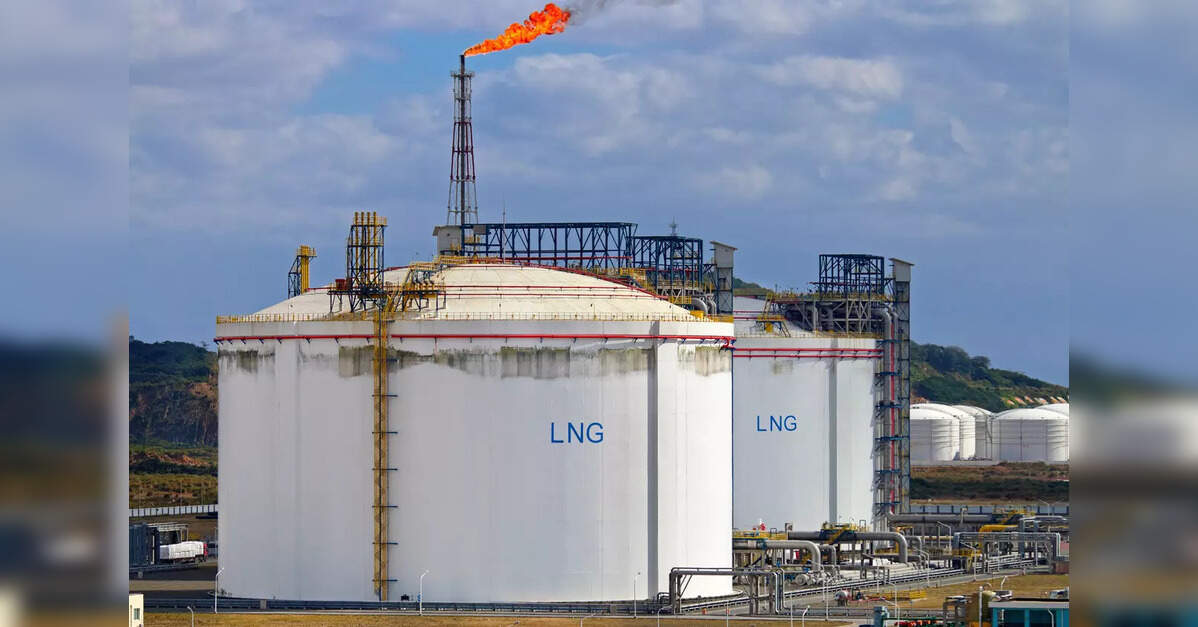
Sri Lanka’s aspiration to become a significant liquefied natural gas (LNG) importer has hit a substantial roadblock, with energy officials confirming that critical infrastructure, including storage facilities, will take at least three years to materialize. This delay in finalizing LNG procurement contracts with India, initially envisioned as a cornerstone of cross-border energy connectivity, underscores the complex and often protracted nature of large-scale energy projects in emerging markets. For investors monitoring the global LNG landscape, this situation is more than just a regional blip; it reflects broader themes of capital allocation risk, geopolitical influence in energy, and the persistent challenges in bridging supply with burgeoning demand in a volatile market.
The Long Horizon for Sri Lankan LNG Adoption
The vision for Sri Lanka to transition towards LNG for its power sector, with India as a key supplier, has been a topic of discussion for over a year. However, recent statements from Sri Lankan Energy Minister Kumara Jayakody reveal that tangible progress remains elusive. The primary hurdle is the complete absence of LNG storage infrastructure, with construction yet to commence. The minister explicitly stated that it would take “at least three years” from the start of construction before imports could even begin, pushing the effective timeline for significant LNG uptake well into the latter half of the decade. While Indian state-run firm Petronet LNG had previously signed an agreement with Sri Lankan engineering firm LTL Holdings for supply to power plants in Colombo, the foundational infrastructure remains unbuilt. Discussions surrounding project location, loan terms, and pricing aspects are still underway, highlighting the pre-investment phase, rather than project execution. This protracted timeline means that any immediate impact on global LNG demand forecasts from Sri Lanka will remain negligible for the foreseeable future, pushing back potential revenue streams for developers and suppliers.
Market Volatility and the Geopolitics of Energy Supply
The delays in Sri Lanka occur against a backdrop of significant shifts in the global energy market. As of today, Brent Crude trades at $90.38, reflecting a notable -9.07% drop within the day’s range of $86.08 to $98.97. Similarly, WTI Crude stands at $82.59, down -9.41% from its daily range of $78.97 to $90.34. This sharp daily decline follows a broader trend, with Brent having shed $20.91, or -18.5%, over the past 14 days, falling from $112.78 on March 30th to $91.87 yesterday. Gasoline prices mirror this downward pressure, currently at $2.93, a -5.18% decrease. While these oil price movements are driven by macro factors like global demand outlooks and supply-side decisions, they underscore the inherent volatility in the energy sector. For a nation like Sri Lanka, delays in securing diversified energy sources like LNG prolong its exposure to these fluctuations. The proposed cross-border transmission system and petroleum pipeline between India and Sri Lanka are critical strategic initiatives, illustrating a broader regional drive towards energy interdependence. Investors should recognize that such infrastructure projects, even when delayed, represent long-term strategic plays that aim to enhance regional energy security, thereby influencing future supply-demand balances and pricing stability.
Investor Questions: Long-Term Outlook Amidst Infrastructure Bottlenecks
Our proprietary reader intent data reveals a consistent investor focus on the long-term trajectory of energy markets, with frequent queries about the “price of oil per barrel by end of 2026” and the fundamental drivers behind market dynamics. The Sri Lankan LNG delay, while specific, offers a microcosm of the challenges inherent in forecasting long-term energy prices. Developing new demand centers requires massive capital investment and years of political will and project execution. Delays in one region might seem minor, but collectively, they impact the global demand curve for LNG and, by extension, the broader natural gas market. For companies with significant exposure to LNG infrastructure development or supply, such protracted timelines introduce uncertainty and push back expected returns on investment. The underlying question for investors is whether current LNG supply will outstrip demand in the medium term, given the slow pace of new consumption coming online in some regions. Conversely, the continued reliance on traditional energy sources in these regions could sustain demand for crude oil and refined products longer than anticipated, influencing the broader energy complex.
Upcoming Events and Their Influence on the Energy Landscape
Looking ahead, the energy market will be closely watching several key events that could impact both crude oil and natural gas prices, indirectly influencing the appetite for large-scale infrastructure projects like those in Sri Lanka. This weekend is particularly critical, with the OPEC+ Joint Ministerial Monitoring Committee (JMMC) meeting scheduled for April 18th, followed by the Full Ministerial OPEC+ Meeting on April 19th. These gatherings are pivotal for determining global oil supply policy and will undoubtedly impact crude prices. Our readers are keenly interested in “OPEC+ current production quotas,” as these decisions ripple across the entire energy complex. Furthermore, the upcoming API Weekly Crude Inventory report on April 21st and the EIA Weekly Petroleum Status Report on April 22nd will provide crucial insights into current U.S. supply and demand dynamics, offering a snapshot of market health. While these events directly pertain to crude oil, the broader sentiment they generate affects investor confidence in all energy ventures. For LNG investors, any sustained weakness in oil prices could put pressure on gas-to-oil switching decisions in some markets, though the fundamental demand for cleaner-burning fuels remains a long-term driver. The ongoing infrastructure delays in regions like Sri Lanka serve as a reminder that the path to energy transition is complex and often subject to significant delays, requiring a long-term, patient investment strategy.


