The recent announcement by Alexander Dennis (ADL) of a significant order for 17 battery-electric buses from First Bus for Bath city services, slated for delivery in 2026, might at first glance appear tangential to the core interests of an oil and gas investment analyst. However, this development is a critical data point in the broader energy transition narrative, one that sophisticated investors in the traditional energy sector cannot afford to ignore. While the immediate impact on global crude demand is negligible, such orders, when viewed collectively across municipal and commercial fleets worldwide, paint a clear picture of an accelerating shift in transportation fuel consumption. For oil and gas investors, this underscores the imperative to understand not just the short-term market dynamics but also the long-term structural changes that will redefine the energy landscape and influence portfolio strategy.
The Accelerating EV Rollout and its Long-Term Demand Implications
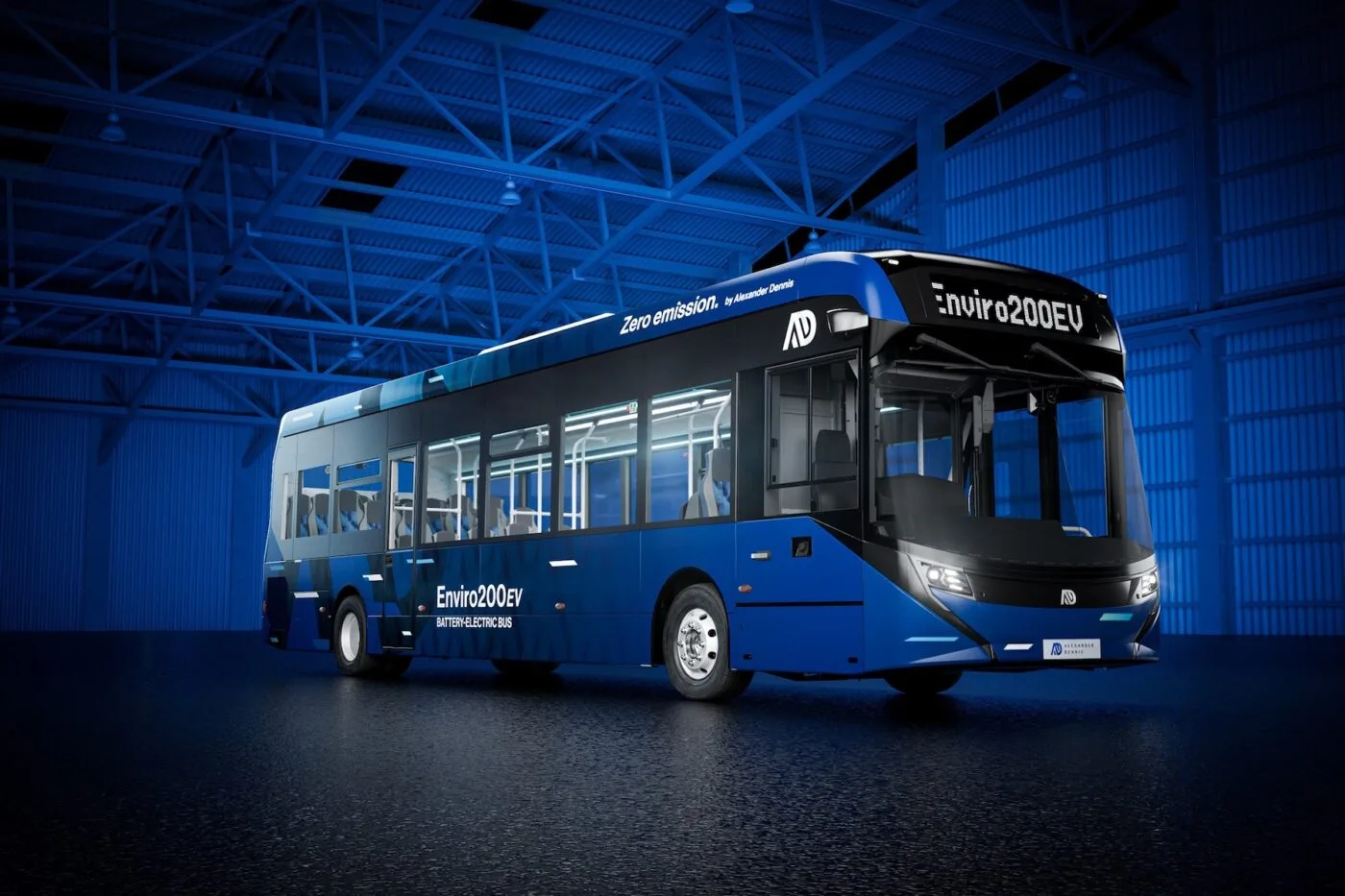
The First Bus order for 12 Enviro200EV and five Enviro100EV vehicles, supported by the government’s Zero-Emission Bus Regional Areas (ZEBRA) scheme, represents more than just a local fleet upgrade. It is an incremental, yet significant, step in the electrification of public transportation. The Enviro200EV, ordered in a 10.9-meter variant with a 400 kWh CATL battery, and the compact Enviro100EV, boasting a 354 kWh battery from Impact Clean Power Technology and a range of up to 450 kilometers, highlight the growing maturity and variety of electric vehicle solutions for heavy-duty applications. These buses, powered by the Voith Electrical Drive System, are designed for efficiency and accessibility, demonstrating that performance and sustainability are no longer mutually exclusive. While 17 buses in 2026 will not materially shift the needle on global diesel demand, this localized transition mirrors similar initiatives unfolding in cities across continents. Investors must consider the cumulative effect of thousands of such orders over the next decade. Each electric bus, truck, or delivery van represents a unit of demand permanently removed from the refined products market. This sustained erosion, particularly in urban and regional transportation, will pressure long-term demand forecasts for diesel and gasoline, influencing capital allocation decisions in refining and upstream production.
Navigating Immediate Volatility: Crude Markets and Upcoming Catalysts
While the long-term energy transition gathers pace, the immediate focus for oil and gas investors remains firmly on commodity price stability and supply-demand fundamentals. As of today, Brent crude trades at $98.14 per barrel, reflecting a 1.26% decline within a day range of $97.92-$98.67. WTI crude mirrors this softness, standing at $89.55, down 1.78% within its daily range of $89.38-$90.26. Gasoline prices also experienced a slight dip, currently at $3.07, down 0.65%. This recent market behavior follows a notable trend: Brent crude has seen a significant correction, dropping from $112.57 on March 27th to $98.57 on April 16th, a substantial decline of $14, or 12.4%, in just a fortnight. This volatility underscores the sensitivity of the market to geopolitical developments, economic indicators, and supply narratives.
Looking ahead, the next 14 days are packed with critical events that could introduce further price swings. The OPEC+ Joint Ministerial Monitoring Committee (JMMC) convenes tomorrow, April 17th, followed by the Full Ministerial Meeting on April 18th. These meetings are pivotal for investors seeking clarity on potential production adjustments and the cartel’s strategy in response to current price levels and demand outlooks. Any deviation from current quotas or rhetoric signaling future changes could significantly impact market sentiment. Beyond OPEC+, weekly data from the API and EIA on April 21st and 22nd, respectively, will provide fresh insights into U.S. crude inventories, offering a snapshot of domestic supply-demand balances. The Baker Hughes Rig Count on April 24th will further inform on drilling activity and potential future supply. These near-term catalysts demand close monitoring, as they will shape the immediate trading environment for crude and refined products.
Investor Sentiment: Balancing Short-Term Returns with Long-Term Transformation
Our proprietary reader intent data reveals a clear dichotomy in investor concerns this week. On one hand, there’s an immediate hunger for real-time market data, with questions like “What is the current Brent crude price?” dominating queries. This indicates a strong focus on tactical trading and risk management in a volatile environment. Simultaneously, investors are actively seeking deeper analytical tools and insights, asking “Why should I use EnerGPT?” and “What data sources does EnerGPT use?”, signaling a desire for an informational edge to navigate complexity. The prevalence of “What are OPEC+ current production quotas?” further emphasizes the critical role of supply-side management in shaping short-term price movements.
However, the EV bus order, when juxtaposed against these immediate concerns, highlights a fundamental strategic challenge for oil and gas investors: how to reconcile the need for robust short-term returns from traditional assets with the undeniable, accelerating shift towards electrification. Investors are not just asking about today’s prices; they are implicitly asking about the longevity of their portfolios in a transforming energy landscape. This dual focus necessitates a nuanced approach, where short-term trading decisions are informed by an understanding of long-term structural changes, and investment in traditional assets is balanced with an awareness of the growing opportunities and risks in the new energy economy.
Strategic Positioning for a Hybrid Energy Future
The transition exemplified by the ADL bus order is not a sudden cliff-edge event but a gradual, albeit accelerating, evolution. While electric vehicles like the Enviro200EV and Enviro100EV will increasingly populate urban fleets, global demand for oil and gas will remain substantial for decades, particularly in sectors harder to electrify, such as aviation, shipping, and heavy industry, as well as in developing economies. Therefore, a prudent investment strategy demands a hybrid approach. Investors must continue to identify and capitalize on opportunities within the traditional oil and gas sector, focusing on companies with strong balance sheets, efficient operations, and disciplined capital allocation that can generate robust free cash flow even in a volatile price environment. These companies are often well-positioned to return capital to shareholders or strategically diversify into lower-carbon ventures.
Concurrently, a forward-looking portfolio must incorporate exposure to the burgeoning energy transition ecosystem. This includes investments in EV manufacturing and infrastructure, battery technology, renewable energy generation, and advanced materials. The 2026 delivery timeline for the Bath buses serves as a tangible reminder that these shifts require a long-term perspective. Smart capital is already flowing into companies that are either facilitating this transition or strategically repositioning their core businesses to thrive in a less carbon-intensive future. For oil and gas investors, the key is not to abandon one sector for another, but to understand the interconnectedness of the entire energy complex and to build resilient portfolios that can adapt to both the immediate dictates of commodity markets and the profound, long-term currents of energy transformation.