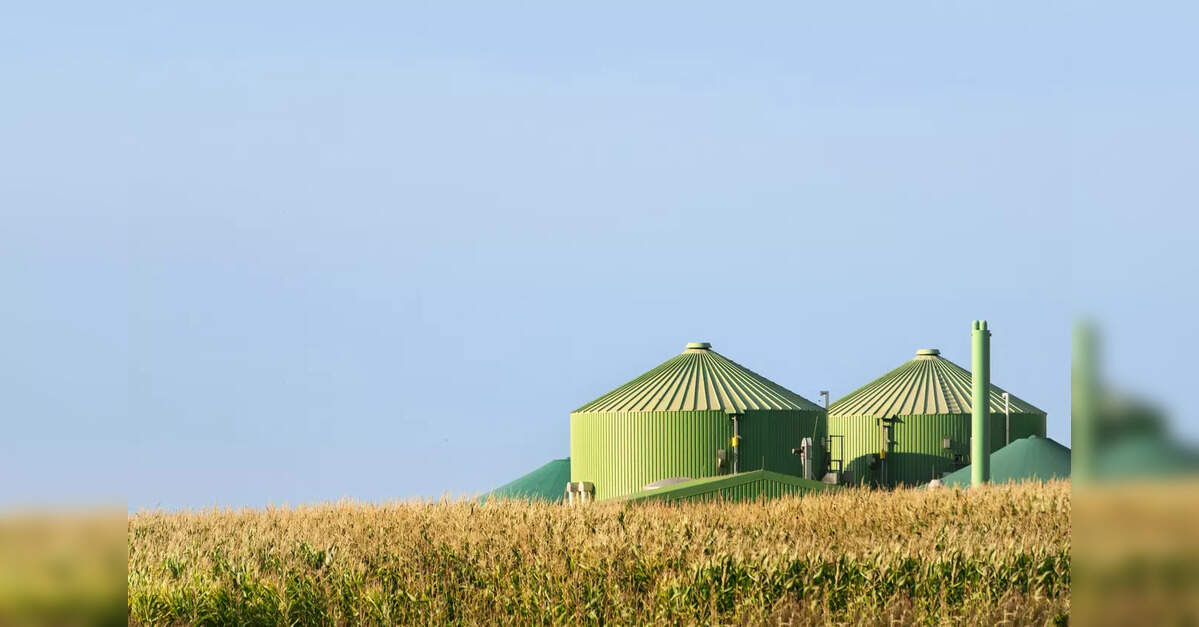
The recent inauguration of Delhi’s first large-scale biogas plant at Nangli Dairy marks a pivotal moment in India’s ambitious green energy transition. This 200-tonne-per-day facility, designed to convert cattle dung and municipal biodegradable waste into compressed biogas (CBG) and organic manure, signals a robust commitment to sustainable energy infrastructure. For investors navigating the complex energy landscape, this development highlights the expanding opportunities within the renewable natural gas sector, offering both environmental benefits and tangible economic returns. As traditional energy markets face their own set of challenges and opportunities, understanding the strategic importance and growth potential of projects like Delhi’s biogas plant is crucial for informed portfolio decisions.
The Expanding Frontier of Biogas in India’s Energy Mix
India’s energy security and environmental goals are increasingly converging on waste-to-energy solutions, with the Delhi biogas plant serving as a prime example. This facility, spanning 2.72 acres, is engineered to process significant volumes of waste, specifically targeting the approximately 1,500 metric tonnes of cow dung Delhi produces daily. Its output of roughly 14,000 cubic metres of raw biogas, translating to 5.6 tonnes of CBG per day, is a substantial contribution, with the CBG slated for supply to Indraprastha Gas Limited (IGL). Beyond energy production, the plant’s generation of organic manure addresses critical waste management and agricultural sustainability needs. This initiative aligns directly with broader national directives aimed at promoting green energy and reducing pollution, signaling a clear policy tailwind for similar projects. The stated need for “many more such units” across the city underscores the immense untapped potential and the long-term growth trajectory for investments in India’s renewable natural gas infrastructure.
Market Dynamics: Green Energy vs. Conventional Volatility
The strategic push into renewable energy, exemplified by the Delhi biogas plant, offers a compelling counterpoint to the inherent volatility often seen in conventional oil and gas markets. As of today, Brent crude trades at $98.1 per barrel, reflecting a 1.3% decline, with its day range spanning $97.92 to $98.67. WTI crude also saw a dip, resting at $89.58, down 1.74% within a range of $89.52 to $90.26. Looking at the broader trend, Brent crude has experienced a notable shift over the past two weeks, moving from $112.57 on March 27th to $98.57 on April 16th—a significant drop of $14, or 12.4%. This recent downward trajectory in crude prices highlights the cyclical nature and geopolitical sensitivities that define traditional energy commodities. In contrast, investments in projects like the Delhi biogas plant, backed by strong government policy and local waste streams, present a more stable and predictable growth profile, driven by a consistent demand for sustainable waste management and domestic energy production. For investors seeking diversification and resilience against commodity price swings, the renewable natural gas sector is increasingly attractive.
Policy Tailwinds and Future Investment Catalysts
The forward momentum for India’s green energy sector is heavily influenced by robust policy support and upcoming market events. The Delhi biogas plant is explicitly cited as part of a national “dream project” promoting green energy, indicating high-level governmental backing. This political will provides a stable foundation for long-term investments in renewable infrastructure. Looking ahead, the energy calendar is packed with events that will shape the broader market, indirectly strengthening the case for renewables. The upcoming OPEC+ Joint Ministerial Monitoring Committee (JMMC) meeting on April 17th, followed by the full Ministerial Meeting on April 18th, could trigger significant shifts in global crude supply and pricing. Any decisions impacting crude output will inevitably influence the competitiveness and strategic importance of alternative energy sources like CBG. Furthermore, the regular release of data from the API Weekly Crude Inventory on April 21st and 28th, alongside the EIA Weekly Petroleum Status Report on April 22nd and 29th, will offer crucial insights into conventional energy supply and demand dynamics. These reports, coupled with the Baker Hughes Rig Count on April 24th and May 1st, will continue to paint a picture of an evolving energy landscape where policy-driven renewable projects like Delhi’s biogas facility play an increasingly vital role in national energy independence and environmental stewardship.
Investor Sentiment and the Search for Sustainable Growth
Our proprietary reader intent data offers a clear window into what investors are currently prioritizing. While there remains a keen focus on conventional market fundamentals, with frequent inquiries about OPEC+ production quotas and the current Brent crude price, there is also a discernible shift towards understanding new energy paradigms. Investors are actively seeking insights into the data sources powering our market intelligence and asking how platforms can help them navigate complex energy trends. This dual interest underscores a broader investment thesis: while traditional oil and gas remain central, there is a growing appetite for opportunities that align with sustainability and long-term structural growth. Projects like the Delhi biogas plant directly address this evolving investor sentiment. By transforming waste into valuable energy and organic byproducts, these initiatives offer clear, tangible returns while contributing positively to environmental, social, and governance (ESG) objectives. The involvement of entities like IGL in off-take agreements demonstrates established commercial pathways, mitigating market risk. For investors looking to diversify beyond the cyclical nature of fossil fuels and capitalize on India’s burgeoning green economy, the expanding biogas sector represents a compelling proposition for sustainable, yield-generating investments.


