The global oil market stands at a critical juncture, navigating a complex web of geopolitical tensions that increasingly threaten to reshape trade flows and demand dynamics. Recent developments highlight a sharp escalation in rhetoric between the United States and China, specifically regarding proposed tariffs that could carry profound implications for the energy sector. While the immediate focus often gravitates to supply-side catalysts, the burgeoning trade friction introduces a significant demand-side wildcard that investors cannot afford to ignore. Our analysis delves into how these diplomatic clashes, particularly the threat of substantial tariffs, could dictate the trajectory of crude prices and the broader oil and gas investment landscape.
Geopolitical Friction Amplifies Market Volatility
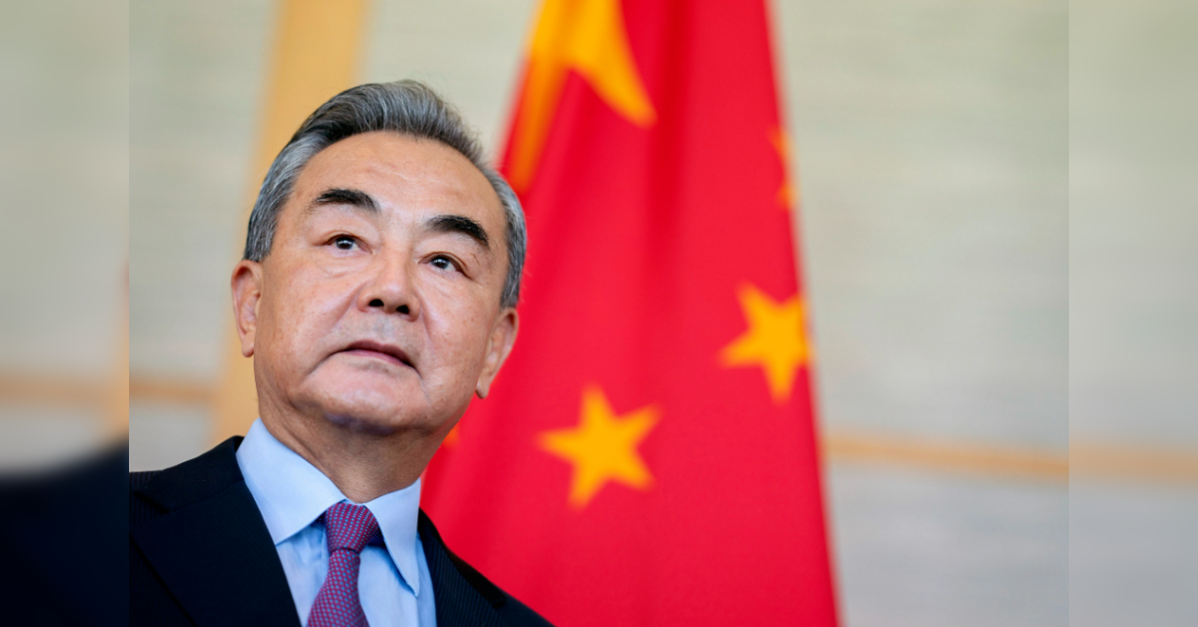
The latest round of geopolitical sparring sees the United States, led by former President Donald Trump, advocating for NATO allies to impose tariffs ranging from 50% to 100% on Chinese goods. This aggressive stance stems from allegations of China’s role in supporting Russia’s military efforts in Ukraine. Beijing has vehemently pushed back, with Foreign Minister Wang Yi emphasizing China’s commitment to peace talks and multilateralism, rejecting sanctions as counterproductive. This diplomatic exchange is not merely political theater; it directly impacts investor sentiment and adds a layer of uncertainty to an already volatile market.
As of today, Brent crude trades at $98.21, reflecting a 1.19% decline, with its daily range between $97.92 and $98.67. West Texas Intermediate (WTI) crude follows a similar pattern, currently at $89.87, down 1.43%, fluctuating between $89.57 and $90.26. Gasoline prices also show a slight dip to $3.08, down 0.32%. This immediate downward pressure extends a broader trend: Brent crude has shed a significant 12.4% over the past 14 days, falling from $112.57 on March 27th to $98.57 on April 16th. The specter of a full-blown trade war between the world’s two largest economies undoubtedly contributes to this bearish sentiment, as market participants price in potential disruptions to global trade and economic growth.
China’s Economic Stability: A Key Demand Driver Under Threat
A central concern for oil and gas investors revolves around global demand, and China’s economic health is paramount in this equation. Our proprietary data indicates a heightened interest among investors in understanding the drivers behind crude price movements and the current state of global oil consumption. The prospect of punitive tariffs, potentially as high as 100%, casts a long shadow over China’s economic outlook. Such measures could severely impede Chinese export capabilities and consumer spending, directly translating into reduced energy demand.
China’s foreign minister’s remarks advocating for dialogue and multilateralism highlight Beijing’s desire for stability. However, the external pressure from tariff threats could force China to react in ways that further destabilize global trade. A significant slowdown in China, the world’s largest oil importer and a key engine of global economic growth, would fundamentally alter the global supply-demand balance. Investors are keenly watching for any signals that could point to a softening in Chinese industrial activity or transportation fuel consumption, as these would have a direct and measurable impact on global crude demand projections, potentially overriding some of the immediate supply-side concerns.
Upcoming Events to Shape Supply Dynamics Amid Trade Tensions
While trade friction looms large on the demand side, the supply picture will be shaped by several crucial upcoming events. Our internal analytics reveal that investors are particularly focused on OPEC+ production policies and inventory levels, highlighting the importance of these scheduled announcements in the coming weeks. The OPEC+ Joint Ministerial Monitoring Committee (JMMC) is slated to meet on April 18th, followed closely by the full OPEC+ Ministerial Meeting on April 20th. These meetings are pivotal for determining future production quotas and provide essential clarity on the group’s collective strategy to balance the market.
Against a backdrop of potential demand shocks from US-China trade disputes, OPEC+’s decisions become even more critical. Will the alliance maintain current production levels, or will they adjust their strategy to preemptively address a potential decline in global demand? Further insights into market balance will come from the weekly inventory reports. The American Petroleum Institute (API) will release its Weekly Crude Inventory data on April 21st and April 28th, while the Energy Information Administration (EIA) will publish its Weekly Petroleum Status Report on April 22nd and April 29th. These detailed reports, alongside the Baker Hughes Rig Count on April 17th and April 24th, offer granular insights into immediate supply-side activity and U.S. production trends, allowing investors to gauge the real-time impact of current market conditions and anticipate future shifts.
Investment Implications: Navigating Uncertainty with Strategic Vigilance
For oil and gas investors, the confluence of escalating geopolitical tensions and looming trade threats creates an exceptionally complex environment. The proposed 50-100% tariffs on China, if implemented, represent a significant economic shock that could ripple through global supply chains, affecting everything from manufacturing output to logistics and, ultimately, energy consumption. This scenario introduces a critical downside risk to the demand outlook, compelling investors to re-evaluate their positions.
The immediate focus on current Brent prices, hovering near $98, reflects an underlying nervousness. While supply management by OPEC+ remains a powerful lever, its effectiveness can be challenged by a severe contraction in demand driven by trade wars. Investors must maintain a dynamic strategy, closely monitoring not only the upcoming OPEC+ decisions and inventory data but also diplomatic developments between the US and China. The potential for a trade-induced global economic slowdown, contrasted with ongoing supply-side efforts, demands a nuanced and highly adaptable approach to capital allocation in the energy sector. Understanding these intertwined dynamics is crucial for identifying both risks and opportunities in this volatile market.


