The Geopolitical Crossroads: India’s Oil Arbitrage and US Tariffs
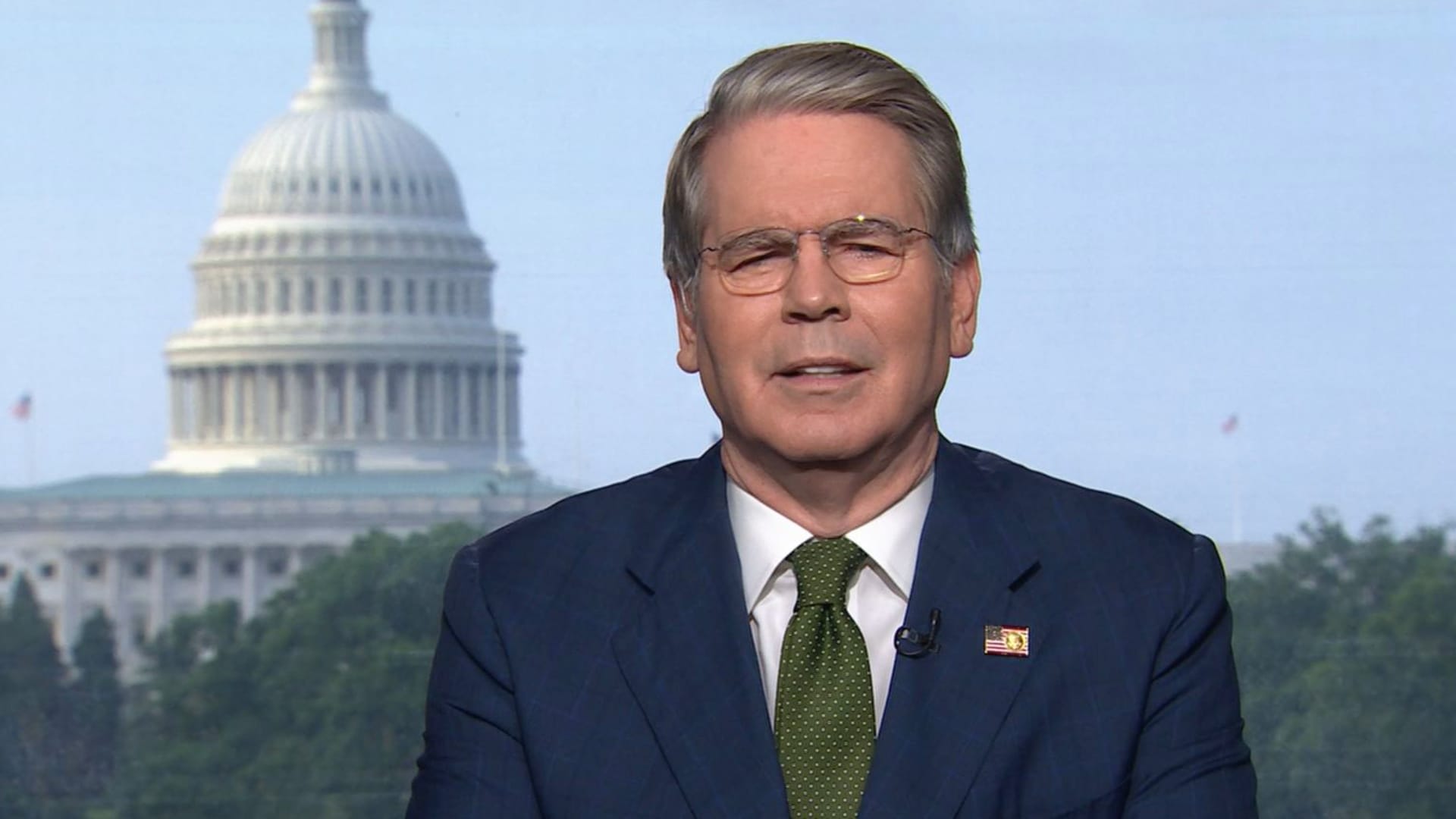
The global oil market is once again grappling with a complex blend of economics, geopolitics, and national interests, epitomized by recent accusations from US Treasury Secretary Scott Bessent. India stands accused of “profiteering” from discounted Russian crude, reportedly generating $16 billion in excess profits by refining it into gasoline and diesel for resale to sanctioning nations, particularly in Europe. Bessent labeled this the “Indian arbitrage” – a practice now facing direct reprisal from the US, with President Trump ordering a 25% tariff on Indian exports set to take effect next week. This development is not merely a trade dispute; it’s a profound challenge to established energy supply chains, posing critical questions for oil and gas investors navigating an already volatile landscape.
Market Dynamics and the Arbitrage Calculus Under Pressure
The timing of these accusations and tariffs introduces a significant variable into an already sensitive market. As of today, Brent crude trades at $90.38 per barrel, marking a substantial decline of over 9% from yesterday’s close. WTI crude has followed a similar trajectory, falling to $82.59, down 9.41%. This sharp correction continues a broader trend observed over the past two weeks, where Brent has shed over 18.5%, moving from $112.78 on March 30th to $91.87 yesterday. For the “Indian arbitrage,” this market volatility adds a layer of complexity. While the core principle of buying discounted Russian crude persists, the profitability of reselling refined products like gasoline – which itself is down 5.18% today to $2.93 – can be influenced by such significant price swings. Investors must consider how sustained market weakness might impact refining margins, even with a favorable crude acquisition cost. The 25% tariff on Indian exports, specifically targeting New Delhi’s trade relationship with the US, threatens to further squeeze these margins and potentially disrupt the flow of refined products, creating ripples across global markets that rely on this supply.
Investor Focus: Supply Certainty Amid Geopolitical Headwinds
Our proprietary reader intent data highlights a clear investor preoccupation with market stability and future price direction, with a recurring question being, “what do you predict the price of oil per barrel will be by end of 2026?” This sentiment underscores the profound uncertainty introduced by events like the US-India tariff escalation. India’s role as Russia’s largest crude customer, importing 1.5 million barrels per day in July, makes its position critical to global supply equilibrium. The threat of “secondary tariffs” on Russian oil buyers, though currently sparing China due to historical purchasing patterns, suggests a broader US strategy to pressure Moscow. For investors, the immediate concern is how these tariffs might disrupt the flow of Russian crude into the global refining system, and subsequently, the supply of refined products to key markets like Europe. Any reduction in India’s capacity or willingness to process Russian oil could tighten global product markets, potentially driving up prices for gasoline and diesel, and subsequently impacting crude demand and price forecasts. This intricate dance between geopolitical pressure and supply chain resilience will be a dominant theme influencing investment decisions in the coming quarters.
Upcoming Events: OPEC+ and Inventory Data in a Tense Environment
The unfolding US-India tariff situation adds a critical geopolitical dimension to the upcoming energy calendar. With the OPEC+ Joint Ministerial Monitoring Committee (JMMC) convening tomorrow, April 18th, followed by the full Ministerial Meeting on April 19th, the US accusations against India will undoubtedly be a backdrop to their discussions. Given the significant declines in Brent and WTI over the past 24 hours, alongside the 18.5% drop in Brent over the last two weeks, OPEC+ members will be under increased pressure to assess market fundamentals. The tariffs on India could complicate global oil flows, potentially impacting demand projections or creating perceived supply tightness in refined products. Investors will be keenly watching for any signals on production quotas, especially if the group views these geopolitical tensions as a significant threat to market balance. Furthermore, the weekly API and EIA crude inventory reports, scheduled for April 21st and 22nd respectively, will provide crucial real-time insights into market health. These data points, along with the Baker Hughes Rig Count on April 24th, will offer early indicators of how the market is absorbing the immediate effects of current price weakness and the looming tariffs on Indian exports, providing vital context for short-term trading strategies.

