The recent announcement by Go Electric Vehicle Indiana (GOEVIN) to distribute over $3.3 million across 36 charging infrastructure projects signals a clear acceleration in the state’s electric vehicle (EV) adoption strategy. While this news might appear localized, it represents a critical microcosm of a broader, sustained energy transition that demands the attention of oil and gas investors. These state-level initiatives, combining public and private sector efforts, are methodically dismantling barriers to EV uptake, gradually but inexorably chipping away at future gasoline demand. For shrewd investors, understanding these granular developments is key to refining long-term crude oil price forecasts and identifying emerging risks and opportunities within the energy complex.
Indiana’s Strategic Infrastructure Build-Out: A Blueprint for Demand Erosion
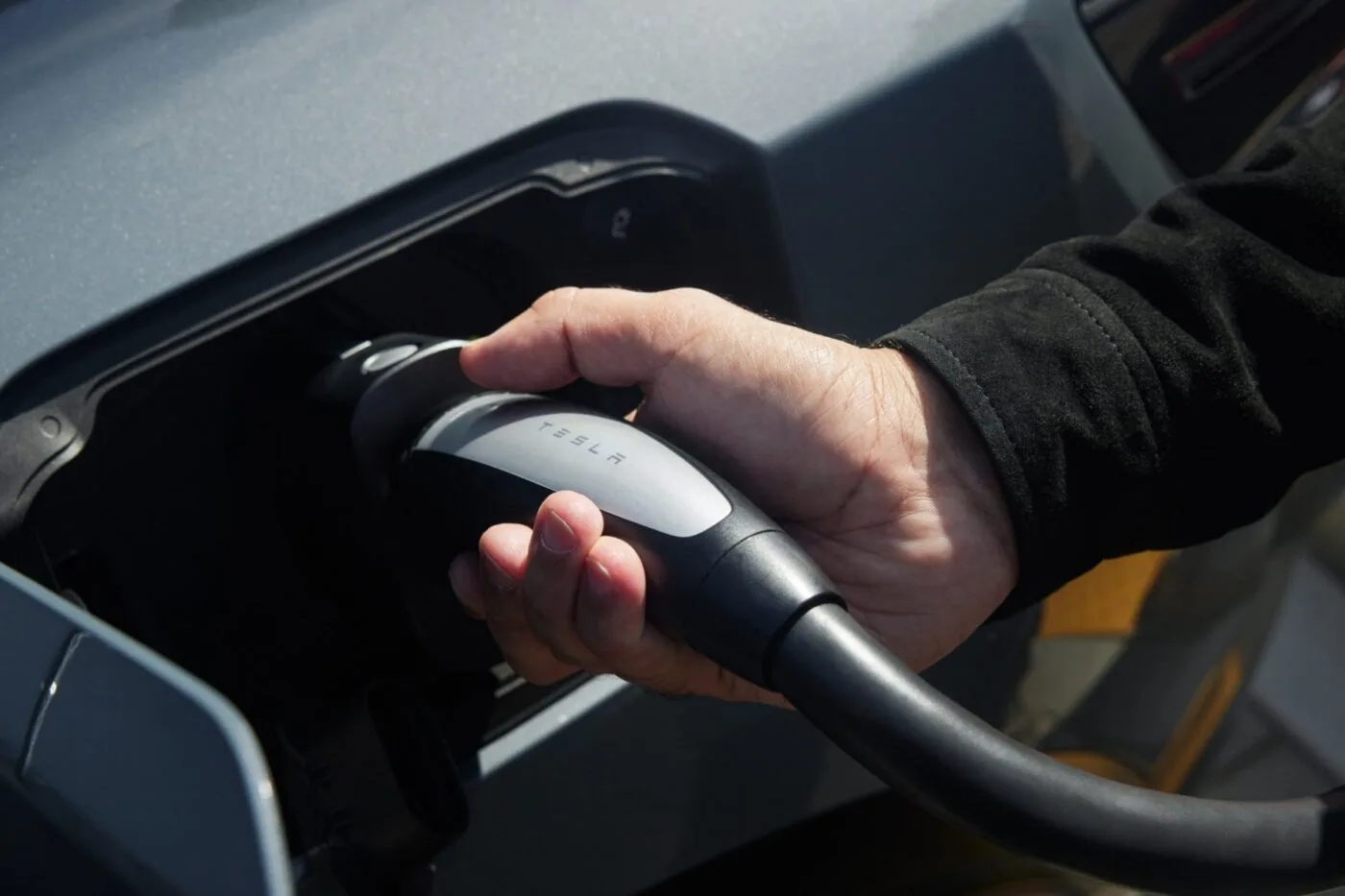
Indiana’s commitment to EV infrastructure is not merely symbolic; it is a calculated strategic build-out designed to facilitate widespread adoption. The allocation of more than $3.3 million targets 36 new charging projects, including 18 DC fast charging stations strategically placed along “Alternative Fuel Corridors” near high-traffic hubs like shopping centers, restaurants, and service stations. These locations will offer 24/7 access, directly addressing “range anxiety” – a primary concern for potential EV buyers. Concurrently, 18 Level 2 charging hubs are slated for urban and rural areas with longer “dwell times,” ensuring convenient charging for drivers who park for extended periods. This comprehensive approach, combining both public and private property sites, maximizes visibility and utility. With construction set to commence this Autumn and all projects slated for completion by the end of 2026, Indiana is laying down tangible infrastructure that will measurably impact local fuel consumption in the coming years. This latest funding builds upon an existing formidable commitment, as Indiana has already invested over $13 billion to support EV development and battery manufacturing facilities, demonstrating a deep, structural shift in its economic and energy priorities.
Current Market Dynamics: High Prices Accelerate the Transition
The current landscape of crude oil and refined product prices provides an additional incentive for consumers to consider electric vehicles, thereby accelerating the demand shift. As of today, Brent crude trades robustly at $99.62 per barrel, marking a significant 4.94% increase from its daily low and signaling persistent tightness in global supply. Similarly, WTI crude is priced at $91.18, up 3.46% on the day. Gasoline prices reflect this upstream strength, holding firm at $3.08 per gallon. This upward price momentum follows a notable period of volatility, with Brent having declined by over 12% in the preceding two weeks, falling from $108.01 on March 26th to $94.58 just yesterday. Such price swings underscore the inherent volatility in the oil market. For consumers, the sustained high cost of gasoline, even amidst daily fluctuations, makes the economic proposition of an EV increasingly attractive, especially when coupled with expanding charging infrastructure. Every dollar saved at the pump translates into a more compelling reason to switch, amplifying the long-term demand destruction for traditional fuels that initiatives like Indiana’s aim to achieve.
Investor Focus: Integrating EV Growth into Long-Term Demand Models
Our proprietary reader intent data reveals a consistent investor query: “What is the consensus 2026 Brent forecast?” and a desire to “Build a base-case Brent price forecast for next quarter.” While short-term forecasts are heavily influenced by geopolitical events and OPEC+ decisions, the long-term outlook for crude oil demands a rigorous integration of global EV adoption rates. Indiana’s $13 billion investment and the current $3.3 million allocation, while small in the context of global oil demand, are representative of hundreds of similar initiatives worldwide. These cumulative actions create a persistent headwind for future gasoline consumption. Investors must move beyond simply tracking EV sales figures and begin to model the impact of charging infrastructure deployment, battery manufacturing capacity, and policy incentives on a granular, regional level. The projected completion of Indiana’s new charging stations by the end of 2026 directly aligns with the timeframe investors are examining for their medium-term price forecasts. This systematic build-out implies a structural, rather than cyclical, erosion of demand that needs to be factored into any sophisticated Brent price forecast for 2026 and beyond. Ignoring these localized yet widespread electrification efforts risks overestimating future oil demand.
Upcoming Catalysts and the Shifting Demand Paradigm
Looking ahead, the energy market will face several significant catalysts in the coming weeks, providing crucial data points for investors. The Baker Hughes Rig Count on April 17th and April 24th will offer insights into North American production trends. More critically, the OPEC+ Joint Ministerial Monitoring Committee (JMMC) meeting on April 18th, followed by the Full Ministerial meeting on April 20th, will dictate near-term supply strategies. Concurrently, the API and EIA Weekly Crude Inventory reports on April 21st/22nd and April 28th/29th will provide real-time snapshots of petroleum supply and demand balances. While these events predominantly influence the supply side and immediate price action, the underlying demand paradigm is being reshaped by initiatives like Indiana’s. The fact that new EV charging infrastructure construction begins this Autumn and concludes by the end of 2026 means that by the time these physical assets are operational, they will be directly contributing to measurable reductions in gasoline demand. Investors must consider how the cumulative effect of these state-level EV pushes will progressively constrain oil demand growth, potentially offsetting efforts by OPEC+ to manage supply and impacting the effectiveness of traditional market levers in the long run. The energy transition is not a distant future event; it is unfolding now, state by state, charging station by charging station.