Dachser EV Expansion Signals Diesel Use Decline: A Bellwether for Oil & Gas Investors
The global energy landscape continues its rapid transformation, and recent developments in the heavy-duty logistics sector offer a compelling signal for oil and gas investors. Logistics titan Dachser has significantly bolstered its electric vehicle fleet, integrating seven Mercedes-Benz eActros 600 long-haul trucks into its operations. This move is not merely an isolated green initiative; it represents a tangible acceleration in the shift away from diesel, posing a direct challenge to future demand forecasts for traditional liquid fuels. For investors tracking the pulse of the energy transition, Dachser’s strategic pivot underscores the escalating threat of electrification to established oil markets.
Dachser’s Strategic Electrification Drive
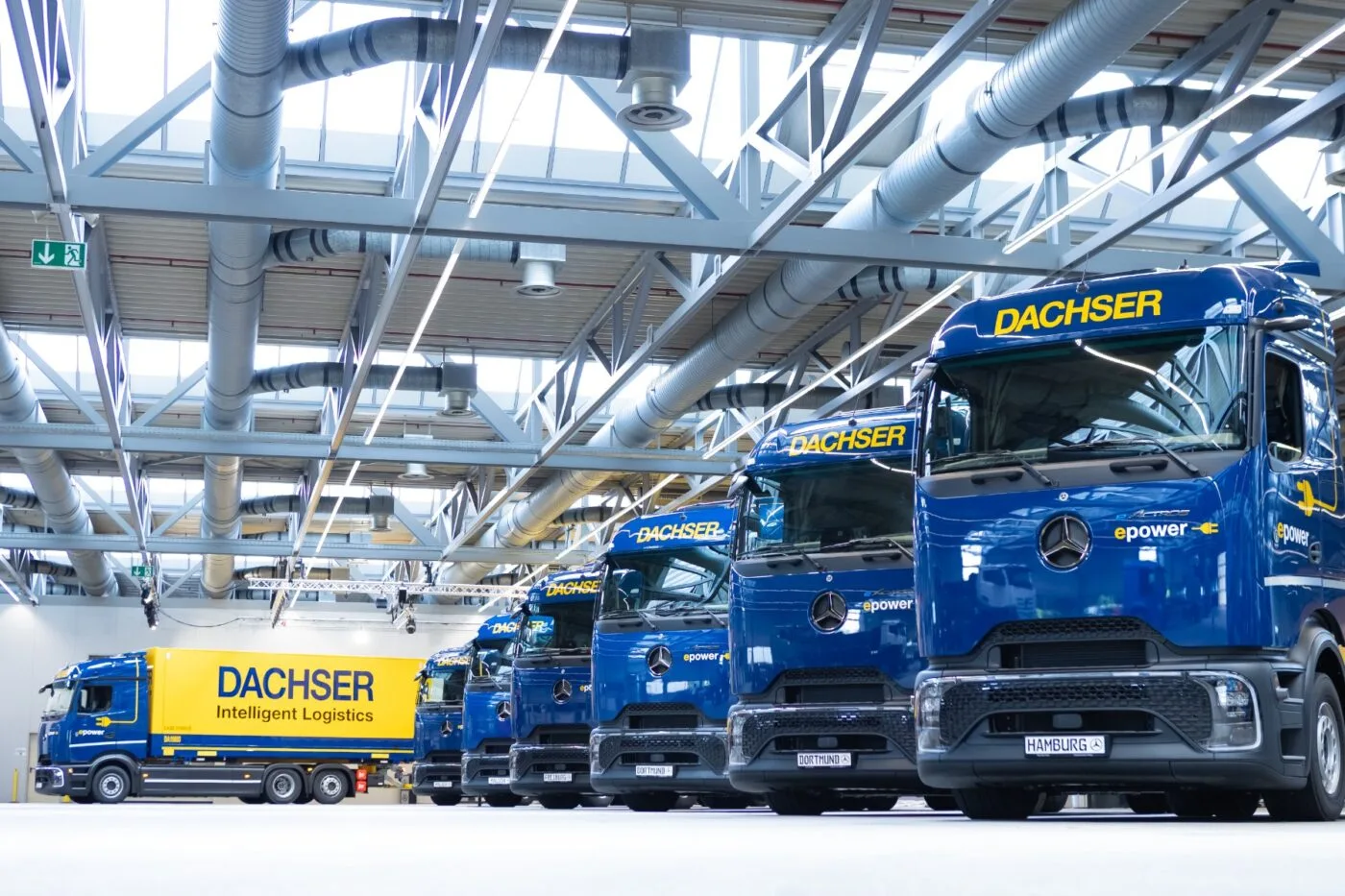
Dachser’s latest acquisition sees seven of its fifteen ordered eActros 600 trucks now actively deployed. These advanced, zero-emission heavy-duty vehicles are earmarked for extensive freight routes within the company’s comprehensive logistics network, specifically operating from key hubs including Hamburg, Karlsruhe, Dortmund, and Freiburg. The remaining eight units from this initial order are slated for integration into Dachser’s various European locations and service partner networks in the coming months. This isn’t a speculative trial; it marks a decisive transition from experimental deployment to mainstream operational integration, signaling a genuine commitment to decarbonizing its core freight activities.
The significance of this deployment cannot be overstated. Dachser, a major player in European logistics, has confirmed these electric trucks will undertake long-distance transport duties, a segment traditionally reliant on diesel power. This strategic shift is a direct result of the company’s decade-long track record with electric truck technology. Having pioneered the use of electric vehicles across diverse weight categories for ten years, Dachser initially focused on last-mile applications. However, their experience has evolved dramatically, now successfully conquering routes exceeding 500 kilometers with electric power. The current integration into regular operations, rather than pilot projects, demonstrates a maturity in electric heavy-duty transport solutions that should capture the attention of energy market participants.
Advanced Technology Powering the Shift: The eActros 600
At the heart of Dachser’s latest electrification push is the Mercedes-Benz eActros 600, a flagship electric long-haul offering from Daimler Truck. This vehicle, which commenced series production at its Wörth facility in November 2024, boasts specifications designed to directly compete with diesel equivalents in demanding freight scenarios. It features a substantial 621 kWh battery pack, utilizing durable LFP (Lithium Iron Phosphate) cell technology from CATL—a capacity reflected in its ‘600’ model designation. Paired with a proprietary high-efficiency electric drive axle, the eActros 600 delivers an impressive unladen range of up to 500 kilometers without recharging, even under maximum payload conditions. Mercedes-Benz Trucks further suggests this operational radius can be substantially surpassed, contingent on driving dynamics and topographical factors.
Crucially for the logistics sector, the eActros 600 addresses the range anxiety often associated with electric heavy-duty vehicles. Strategic rapid charging during mandatory driver rest periods extends the daily operational capacity to well over 1,000 kilometers. This capability is a game-changer, enabling electric trucks to perform multi-leg journeys comparable to their diesel counterparts, thereby directly displacing significant volumes of fossil fuel consumption. The technological readiness of such vehicles underscores the accelerating pace of innovation in the electric mobility sector, a trend that energy investors must closely monitor.
Broader Industry Trends and Precedent
Dachser’s current deployment is not an isolated incident but rather an intensification of a broader, company-wide strategy. The logistics giant’s European fleet already boasts more than 140 electric trucks across various locations, including heavy electric trucks dedicated to long-distance hauling. In February alone, the company integrated approximately twelve fully electric MAN eTGX trucks into its service. Furthermore, Dachser’s subsidiary, Brummer Logistik—a prominent entity in German-Austrian food distribution—has accumulated significant operational insights from a dozen eActros 600 units within its fleet since the previous year. These units are deployed on medium-range routes, extending up to 600 kilometers per journey, necessitating strategic recharging intervals along the way.
The collective experience across Dachser’s diverse electric fleet demonstrates a growing confidence in the operational viability and economic benefits of heavy-duty electrification. This widespread adoption across different vehicle manufacturers and operational profiles indicates that the barriers to entry for electric freight are diminishing rapidly. For oil and gas investors, this signifies that the “peak oil demand” conversation is becoming increasingly relevant for the diesel segment, as major logistics players are not only experimenting but actively committing to substantial fleet transitions.
Implications for Diesel Demand and Oil & Gas Investments
The escalating adoption of electric trucks by major logistics providers like Dachser carries significant implications for global diesel demand. Each electric truck deployed directly supplants a diesel-powered equivalent, translating into a quantifiable reduction in fuel consumption. While the immediate impact of a few dozen or even a few hundred trucks may seem marginal against global demand, the trajectory is clear and accelerating. As more logistics companies follow Dachser’s lead, driven by sustainability goals, regulatory pressures, and increasingly favorable economics (including lower operational costs and fuel price volatility insulation), the cumulative effect on diesel demand will become profound.
Oil and gas investors should recognize this trend as a harbinger of structural demand erosion. Refiners heavily invested in diesel production, and upstream producers reliant on strong demand for middle distillates, will face increasing headwinds. The long-term investment horizon for traditional fossil fuel infrastructure may need re-evaluation in light of these accelerating shifts in commercial transportation. Diversification into alternative energy sources, strategic investments in charging infrastructure, or a pivot towards lower-carbon fuels could become imperative for companies aiming to thrive in an evolving energy market. Dachser’s commitment to “emission-free logistics” is not just a corporate responsibility statement; it’s a tangible market signal demanding attention from every corner of the energy investment community.