The Looming Battery Imperative: Maximizing Value in the EV Transition
As electric vehicle (EV) sales continue their aggressive upward trajectory globally, a pivotal question emerges for investors scrutinizing the future of energy: what becomes of the invaluable battery packs once these vehicles reach their end of life? This isn’t merely an environmental concern; it represents a significant economic opportunity and a strategic imperative for resource security. A recent comprehensive study, conducted by a German-American research consortium, casts a critical eye on the two primary pathways for decommissioned EV batteries: direct material recycling or repurposing for “second life” stationary energy storage. For astute investors navigating the energy transition, understanding the nuanced return on investment (ROI) and environmental benefits of each strategy is paramount, as these decisions will shape supply chains, resource independence, and the broader grid infrastructure for decades to come.
Dual Pathways: Resource Recovery vs. Grid Reinforcement
The research unequivocally highlights the distinct advantages of both recycling and second-life applications, presenting a complex choice for policymakers and industry alike. Recycling focuses on the extraction and reuse of critical raw materials such as lithium, cobalt, and nickel. This strategy offers a robust solution to reduce dependence on environmentally intensive mining operations and, critically, to mitigate geopolitical supply risks, particularly concerning nations like China, which currently command significant control over global lithium markets and can influence prices through export restrictions. The study projects a substantial impact, indicating that by 2050, recycling efforts in California alone could fulfill approximately 61% of the demand for new EV batteries, underscoring its potential to localize supply chains and enhance resource self-sufficiency.
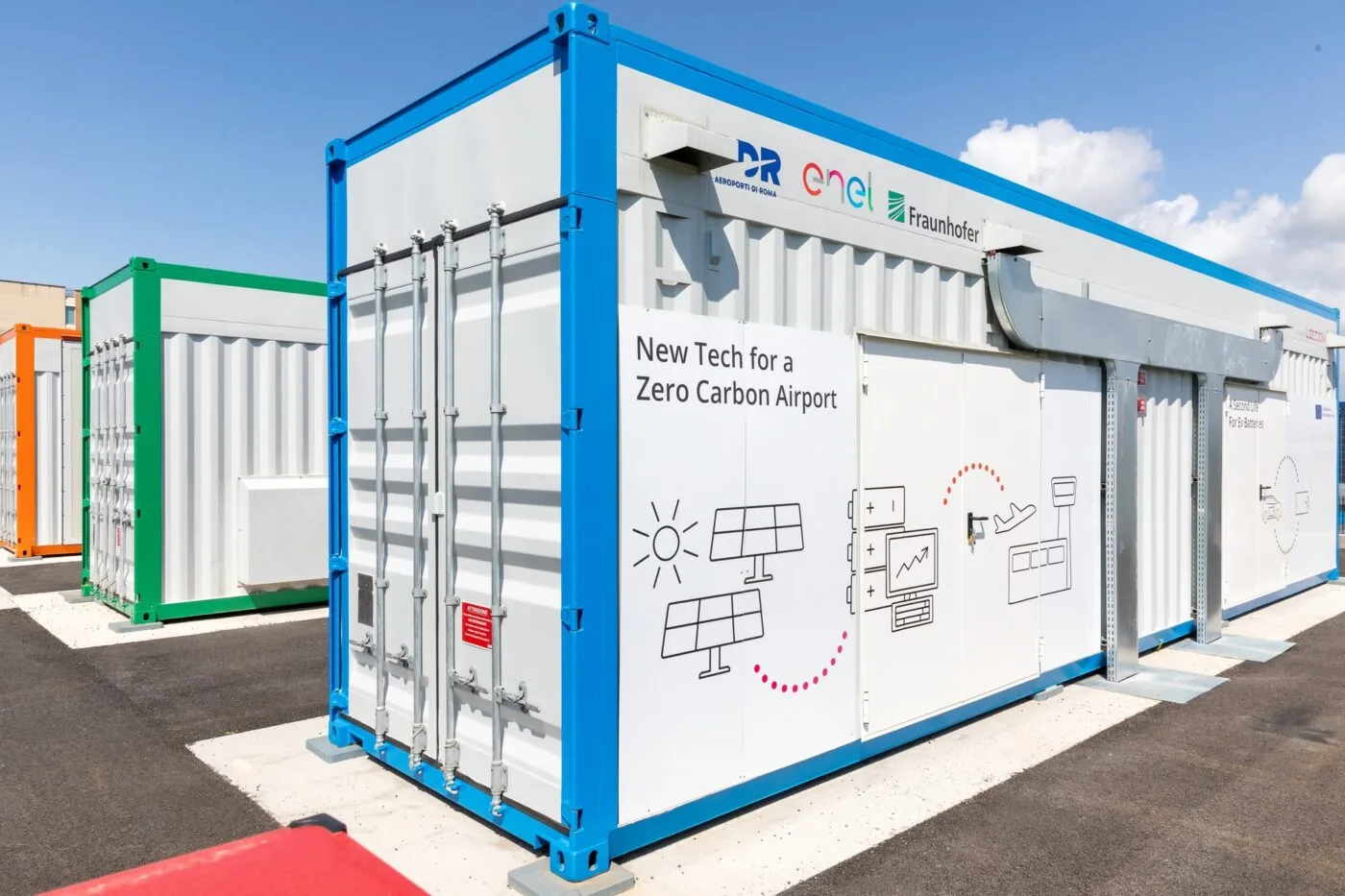
Conversely, the second-life strategy champions the repurposing of these batteries for stationary energy storage, often integrated with renewable sources like solar and wind power in residential, commercial, or utility-scale applications. Even with diminished capacity compared to their original automotive use, these batteries retain sufficient performance for grid support and energy balancing. The research suggests an even more immediate and profound impact for second-life applications, estimating that by as early as 2030, these repurposed batteries could meet the *entire* demand for stationary storage. Lithium iron phosphate (LFP) batteries are particularly well-suited for this, given their inherent material efficiency. Real-world examples already exist, from installations at Rome’s airport to the Porsche plant in Leipzig, demonstrating the viability and current deployment of these solutions. Furthermore, from an environmental perspective, second-life applications outperform recycling, with the California model projecting a saving of 55.8 million tonnes of CO₂ equivalents by 2050, compared to 48.3 million tonnes for recycling – a substantial difference equivalent to the annual emissions of over twelve million combustion engine cars.
Navigating Volatility: EV Battery Strategies in a Shifting Energy Landscape
For investors accustomed to the inherent volatility of traditional energy markets, the strategic planning around EV battery end-of-life offers a crucial long-term perspective. As of today, Brent Crude trades at $90.38 per barrel, experiencing a sharp -9.07% decline within the day, with WTI Crude similarly down -9.41% at $82.59. This intraday movement follows a broader trend; over the past two weeks, Brent has fallen from $112.78 on March 30th to $91.87 on April 17th, representing a significant $20.91 or -18.5% correction. Gasoline prices have also dipped, currently at $2.93, down -5.18%. This current market softness, while potentially transient, underscores the imperative for diversification and strategic investment beyond fossil fuels.
The substantial swings in crude prices highlight the interconnectedness of global energy markets and the need for robust, resilient supply chains in the burgeoning EV sector. Investing in battery recycling and second-life infrastructure isn’t just an environmental play; it’s a critical component of energy independence and economic stability. As the world transitions, reducing reliance on virgin material extraction and maximizing the utility of existing resources through these battery strategies provides a hedge against the geopolitical and supply chain risks that continue to plague traditional energy commodities. For investors seeking to future-proof their portfolios, allocating capital towards companies innovating in battery lifecycle management represents a strategic move away from commodity price exposure and towards a more sustainable and predictable value chain.
Anticipating Tomorrow: Upcoming Events and Long-Term Energy Shifts
While the immediate focus of energy markets often revolves around near-term supply-demand dynamics, the long-term structural shifts driven by electrification and sustainable resource management are gathering momentum. This weekend, investors will be closely monitoring the OPEC+ Joint Ministerial Monitoring Committee (JMMC) meeting on April 18th, followed by the full Ministerial Meeting on April 19th. These gatherings are critical for understanding short-to-medium term crude supply policies and their potential impact on prices. Additionally, the regular cadence of API and EIA Weekly Crude Inventory reports on April 21st and 28th, alongside the Baker Hughes Rig Count on April 24th and May 1st, will offer real-time insights into U.S. production and inventory levels.
However, while these events dictate immediate market sentiment, the strategic implications of EV battery management extend far beyond. The growth of the EV fleet means that the volume of batteries reaching end-of-life will surge in the coming years. Proactive investment in recycling and second-life capabilities now will be crucial for managing this influx, preventing resource bottlenecks, and establishing a circular economy for critical minerals. For oil and gas companies diversifying into new energy ventures, or investors seeking exposure to the entire energy value chain, recognizing the future demand for these battery solutions is key. The foresight to invest in this segment today provides a strategic advantage, aligning portfolios with the inevitable shift towards a more electrified and resource-efficient global energy system, thereby mitigating risks associated with the long-term decline in fossil fuel demand that these short-term events only briefly obscure.
Addressing Investor Concerns: Beyond Short-Term Oil Prices
Our proprietary reader intent data reveals a clear focus among investors on immediate market drivers: questions like “what do you predict the price of oil per barrel will be by end of 2026?” and “What are OPEC+ current production quotas?” dominate the discourse. While these are certainly pertinent for short-term trading and portfolio adjustments, a deeper examination of the energy transition uncovers equally critical, albeit longer-term, investment themes. The debate between EV battery recycling and second-life use directly addresses fundamental questions about resource security, environmental impact, and the future cost structures of energy storage – factors that will ultimately influence the long-term viability and competitiveness of various energy sources, including traditional hydrocarbons.
For investors evaluating companies like Repsol, which are actively navigating the energy transition, understanding their strategy for managing the entire lifecycle of energy technologies, not just current production, becomes increasingly important. The choice between recycling and second-life applications for EV batteries represents a strategic fork in the road, each path offering distinct advantages in terms of material independence and carbon footprint reduction. Companies that strategically invest in these areas are not just embracing sustainability; they are building resilient business models that reduce reliance on volatile commodity markets and foreign supply chains. This future-oriented approach offers a compelling answer to the broader question of long-term energy stability and profitability, moving beyond the daily fluctuations of crude prices to capture value from the fundamental transformation of the global energy matrix.