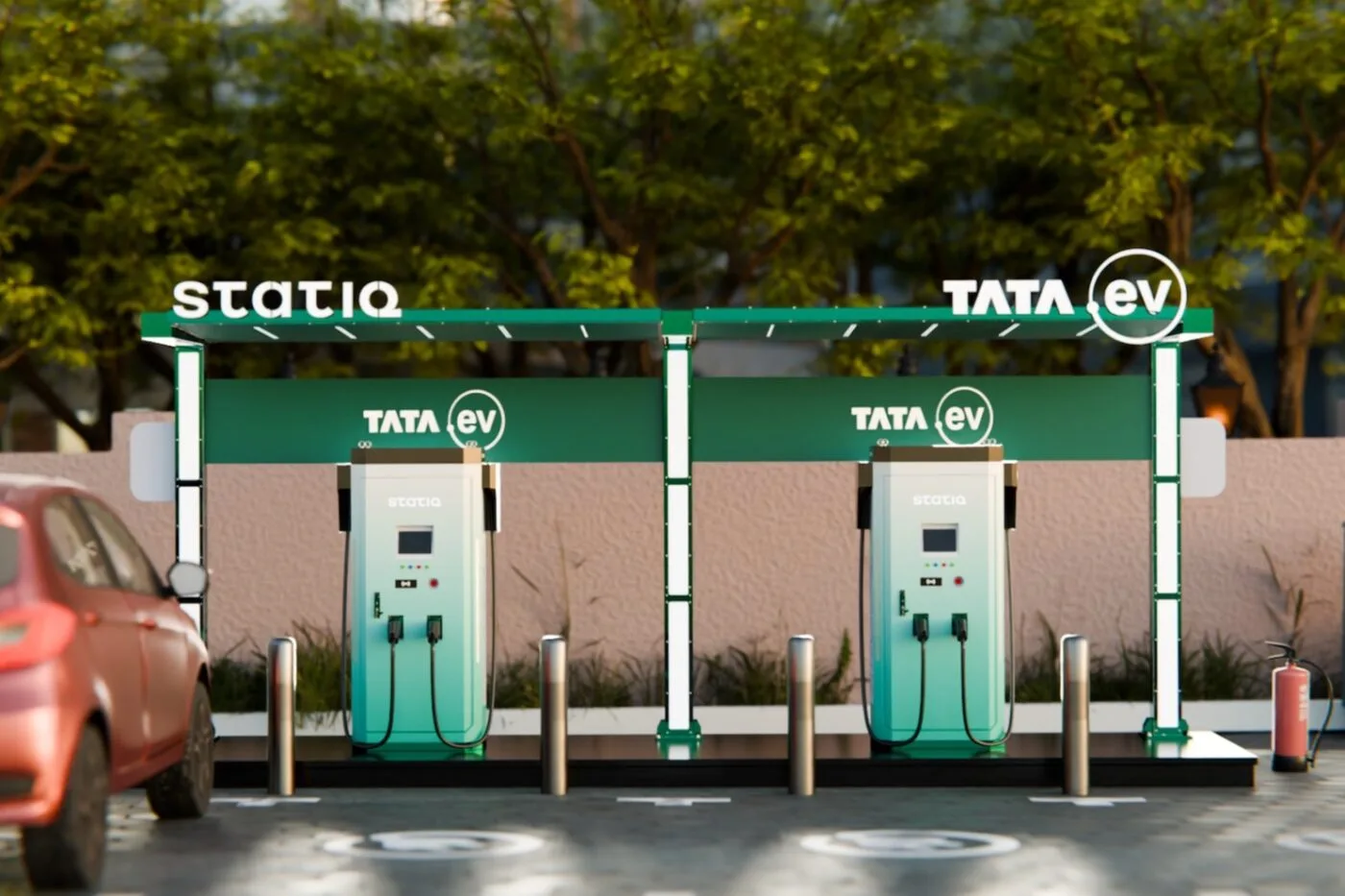
The global energy landscape is undergoing a profound transformation, and nowhere is this more evident than in the rapid adoption of electric vehicles (EVs) across major emerging economies. While the oil market often fixates on geopolitical tensions, OPEC+ decisions, and inventory shifts, a powerful structural headwind for crude demand is quietly building momentum. The latest strategic move from Tamil Nadu, a pivotal state in southern India, to significantly expand its EV charging infrastructure, serves as a clear and potent bearish signal for long-term oil investors.
India’s EV Surge: A Glimpse into Future Oil Demand Erosion
Tamil Nadu, already a frontrunner in India’s EV revolution, is making an aggressive push to accelerate its transition away from fossil fuels. The state has announced plans for an additional 500 charging stations, expanding its network to nearly 2,000. This initiative, spearheaded by the Tamil Nadu Green Energy Corporation Limited (TNGECL) with technical support from the Institute for Transportation and Development Policy (ITDP), isn’t just about adding numbers; it’s a meticulously planned expansion. Lessons from New Delhi’s successful EV initiatives are being integrated, focusing on both widespread charging and robust battery swapping infrastructure. For instance, the capital city of Chennai will see 19 new stations, with ten offering battery swapping capabilities. Strategic placement includes 20 new stations along key highways like Chennai-Coimbatore and Chennai-Kanniyakumari, ensuring coverage every 25 kilometers, aligning with national guidelines. With approximately 1,300 charging stations already operational, and efforts to digitize location maps and connect private landowners with charging point operators, Tamil Nadu is laying the groundwork for sustained EV growth. As a significant manufacturing hub for leading EV brands such as Ola Electric, TVS Motor Company, and Ather Energy, and with VinFast inaugurating its first local plant this week, the state’s commitment is undeniable. This commitment is already yielding results, with Tamil Nadu ranking fourth nationally in EV sales in FY2025, contributing 137,699 units or 7 percent to India’s total of 1,965,490 units. These regional successes collectively represent a powerful, bottom-up erosion of future gasoline demand.
The Shifting Landscape for Petroleum Demand
For investors focused on the long-term trajectory of oil prices, the aggressive EV push in rapidly developing economies like India demands serious attention. Tamil Nadu’s comprehensive strategy, encompassing infrastructure, manufacturing, and policy support, is a template for how oil demand will be systematically chipped away. As more states and nations follow suit, the cumulative effect on global gasoline consumption will become increasingly significant. This structural shift addresses a core concern among our readers who frequently ask, “what do you predict the price of oil per barrel will be by end of 2026?” While short-term supply disruptions or geopolitical events can create price spikes, the underlying demand fundamentals are being reshaped by electrification. The sheer scale of India’s population and economic growth means that even a modest percentage shift to EVs translates into substantial barrels of avoided oil consumption. The rise of local EV manufacturing capabilities further solidifies this trend, creating a self-sustaining ecosystem that reduces reliance on imported fossil fuels and boosts domestic industry. This isn’t merely a niche market; it’s a burgeoning sector poised to significantly alter the demand curve for petroleum products, particularly in the transportation sector, over the coming years.
Market Volatility and the Long-Term Bearish Undercurrent
Amidst these foundational shifts, the crude oil market remains a crucible of short-term volatility. As of today, Brent Crude trades at $90.38, reflecting a significant 9.07% decline from its opening. Similarly, WTI Crude stands at $82.59, marking a 9.41% drop. This sharp intraday correction follows a volatile period, with Brent having shed $20.91, or 18.5%, since March 30th. Gasoline prices are also feeling the pressure, currently at $2.93, down 5.18% today. While such sharp movements often grab headlines and are attributed to immediate supply-demand imbalances or macroeconomic concerns, the accelerating pace of global EV adoption provides a persistent, long-term bearish undercurrent. Even as traders react to daily news, the signals emanating from regions like Tamil Nadu underscore a fundamental erosion of future demand growth that will inevitably weigh on prices over time. This dynamic presents a complex challenge for energy investors: how to navigate short-term price swings driven by transient factors while positioning for the structural changes brought about by the energy transition. The declining trend in crude prices, despite various geopolitical risks that might suggest upward pressure, highlights the market’s sensitivity to both immediate and perceived future demand destruction.
Navigating Upcoming Catalysts Amidst Structural Shifts
The immediate future for oil prices will be heavily influenced by a series of critical events and data releases. Investors are keenly watching for signals from the upcoming OPEC+ Joint Ministerial Monitoring Committee (JMMC) meeting this Saturday, followed by the full Ministerial meeting on Sunday. These gatherings are crucial for understanding the cartel’s stance on production quotas and market management, a topic frequently raised by our readers asking about “OPEC+ current production quotas.” Following these, the market will scrutinize the API Weekly Crude Inventory report on Tuesday, April 21st, and the EIA Weekly Petroleum Status Report on Wednesday, April 22nd, providing vital insights into U.S. supply and demand. Another round of inventory data will follow on April 28th and 29th, complemented by the Baker Hughes Rig Count on April 24th and May 1st, which offers a pulse on future production activity. While these upcoming events will undoubtedly dictate near-term price direction and volatility, it is imperative for investors to understand that they operate within a larger, evolving framework. The accelerating shift towards EVs, exemplified by Tamil Nadu’s strategic initiatives, represents a powerful structural force that will increasingly challenge the effectiveness of supply-side management efforts by producers. Prudent investors must integrate both the short-term market catalysts and the long-term, demand-eroding trends into their analytical models for a comprehensive outlook.