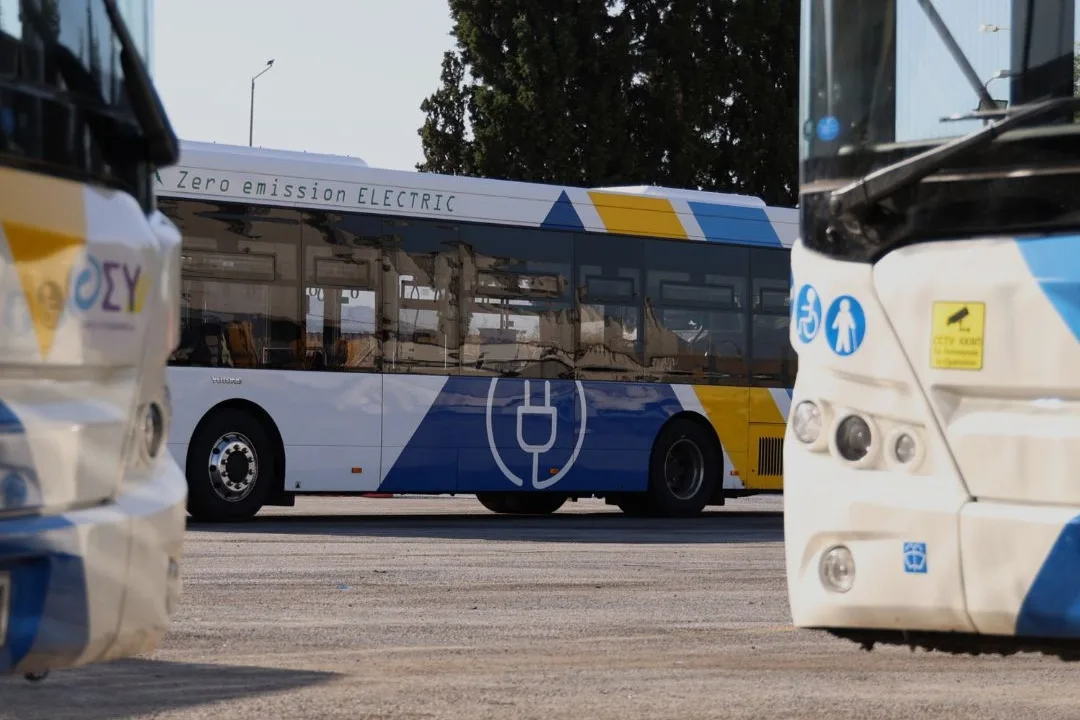
The Greek capital of Athens is embarking on a significant public transportation overhaul, phasing out its aging trolleybus fleet in favor of modern electric buses. While seemingly a localized urban development, this initiative provides a potent microcosm for understanding the broader, incremental pressures building on global oil demand. For energy investors, these micro-shifts are crucial indicators of the evolving energy landscape, demanding careful consideration alongside macro-economic factors and geopolitical currents. The transition in Athens, supported by European recovery funds and aiming for 900 new buses by the end of 2025, underscores a deliberate, continent-wide push towards electrification that will cumulatively impact diesel consumption and, by extension, the outlook for crude oil.
Athens’s Green Shift: A Microcosm of Urban Energy Transition
Athens’s public transport company, OASA, is replacing 130 electric trolleybuses with 100 new electric models, with plans to completely remove the overhead lines by 2027. This signifies a fundamental shift from a legacy electric infrastructure, some elements of which date back to 1929 or 1949, to a more flexible, battery-electric system. The rationale is clear: the existing trolleybuses, many two decades old, exhibit significantly diminished performance, with actual kilometers traveled reportedly 75% lower than expected. This inefficiency provides a strong economic incentive for modernization, aligning perfectly with environmental goals.
The electrification drive extends far beyond the initial 100 buses. Athens and Thessaloniki announced plans in 2020 to expand their fleets by 1,300 buses, predominantly electric. Already, 250 electric buses from Chinese manufacturer Yutong are operational in both cities, with 140 in Athens and 110 in Thessaloniki. Furthermore, the Greek Ministry of Infrastructure and Transport launched an international tender in February 2025 for an additional 125 electric buses, as part of a larger program to acquire 950 environmentally friendly buses by 2025. Prime Minister Kyriakos Mitsotakis has confirmed that Athens expects 900 new buses to be operating by the end of 2025, financed through the European Recovery Fund. This comprehensive, well-funded approach highlights a committed trajectory towards fully electrified urban transport, reducing reliance on fossil fuels for public mobility.
Cumulative Demand Erosion: Beyond Athens’s Borders
While the displacement of 130 trolleybuses by 100 new electric buses, or even the broader 950-bus program in Greece, may seem negligible on a global scale, investors must recognize the cumulative impact of such initiatives worldwide. Urban transport electrification is a global trend, and each new electric bus directly reduces demand for diesel fuel. These localized decisions, replicated across countless cities, contribute to a persistent, incremental erosion of oil demand, particularly for middle distillates.
This structural headwind is playing out against a backdrop of notable market volatility. As of today, Brent crude trades at $90.38, down 9.07% from its intra-day high, while WTI sits at $82.59, a 9.41% drop. Gasoline prices have also retreated to $2.93, a 5.18% decline. This sharp downturn follows a broader 14-day trend for Brent, which has shed $20.91, or 18.5%, since its $112.78 high on March 30th. While geopolitical events and macroeconomic sentiment often drive daily price swings, the persistent, incremental erosion of demand from electrification initiatives, exemplified by Athens, contributes to the underlying structural headwinds that bear down on long-term price ceilings. Investors should consider how this ongoing demand erosion might limit future upside potential, even amid supply-side disruptions.
Investor Scrutiny: Navigating the Demand Outlook
The investor community is keenly focused on understanding the future trajectory of oil demand and prices. Questions such as “What do you predict the price of oil per barrel will be by the end of 2026?” underscore the prevailing uncertainty in the market. The Athens case, though small, offers a tangible data point for assessing the pace of the energy transition and its impact on demand. The shift from outdated, inefficient infrastructure to modern electric vehicles, explicitly supported by significant funding like the European Recovery Fund, signals a robust commitment to decarbonization that directly translates to reduced diesel consumption.
Investors are not just looking for headline figures; they are dissecting the underlying drivers of demand. The Greek government’s commitment to replacing its entire trolleybus fleet by 2027 and introducing 900 new electric buses in Athens by the end of 2025 suggests a planned and funded transition. This proactive approach, driven by both environmental mandates and operational efficiency gains (e.g., increased flexibility for public transport operators no longer bound by overhead lines), directly impacts the long-term demand curve for oil. For companies heavily exposed to refined products, particularly diesel, these urban electrification trends represent a tangible risk to future sales volumes and margins, warranting a re-evaluation of portfolio allocations and strategic positioning.
Strategic Implications and Upcoming Catalysts
Given the ongoing demand erosion from electrification, investors must closely monitor upcoming energy events for signals on how producers and the broader market will respond. The OPEC+ Joint Ministerial Monitoring Committee (JMMC) and the Full Ministerial Meeting, scheduled for April 18th and 19th, respectively, will be critical. Will OPEC+ members acknowledge the accumulating evidence of demand headwinds from global electrification efforts when discussing their production quotas? Their decisions will heavily influence short-to-medium term supply-demand balances.
Further insights will come from the API Weekly Crude Inventory (April 21st, April 28th) and the EIA Weekly Petroleum Status Report (April 22nd, April 29th). These reports provide crucial, timely data on U.S. crude and product inventories, offering a snapshot of current demand. Any unexpected build-ups could be exacerbated by the steady, incremental displacement of fossil fuels by EVs, as seen in Athens. Meanwhile, the Baker Hughes Rig Count on April 24th and May 1st will indicate the supply-side response from North American producers. If oil prices continue their recent decline, as Brent has over the past two weeks, we might see a more cautious approach to new drilling, which could partially offset demand weakness. However, the persistent momentum for EV adoption, highlighted by Athens’s tender for 125 new electric buses in February 2025 as part of a larger 950-bus program, demonstrates a consistent long-term drag on oil demand that investors cannot afford to ignore.


