The Accelerating Pace of Commercial Electrification
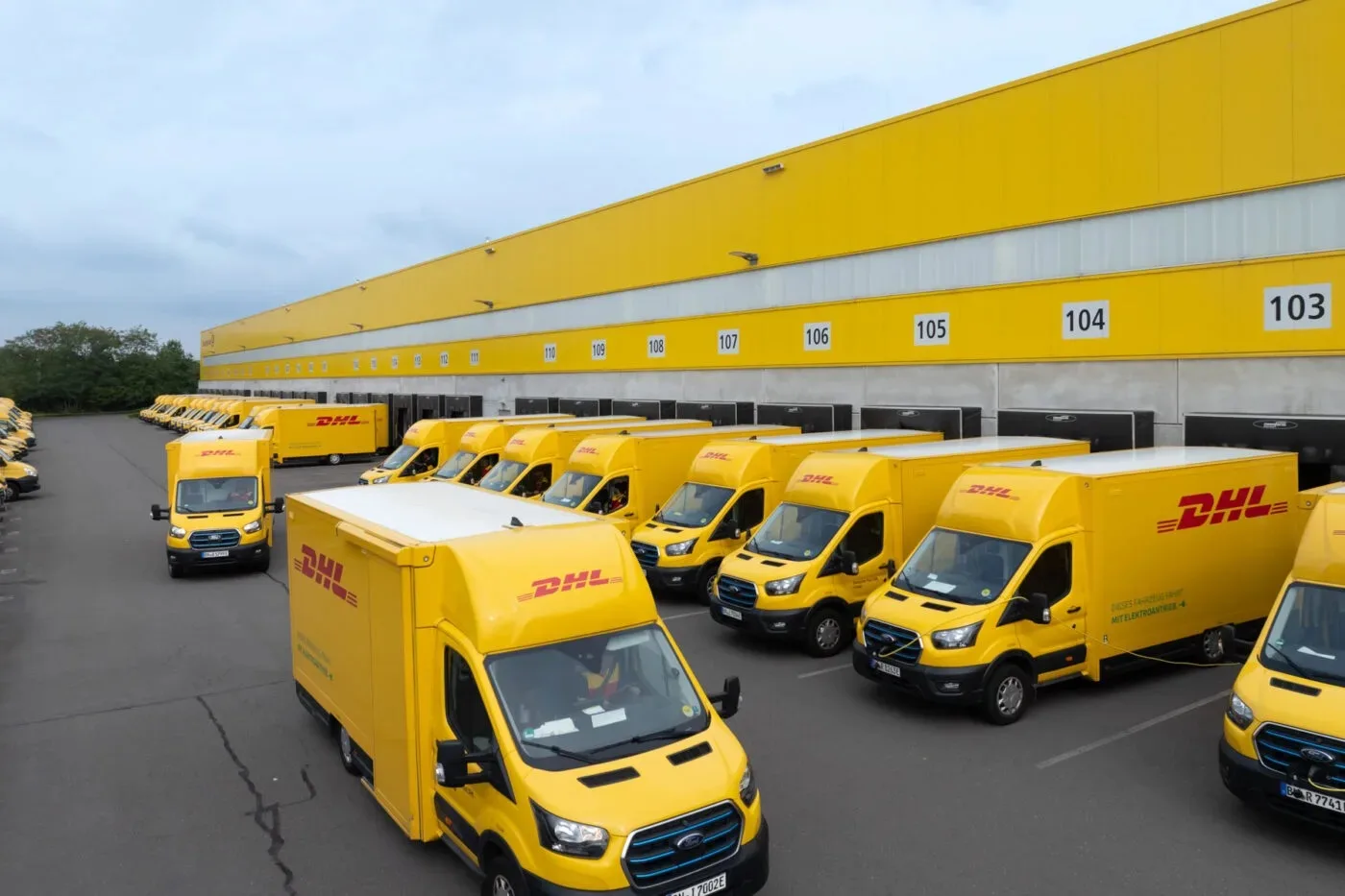
The recent expansion of DHL Group’s e-mobility cooperation with Ford Pro stands as a potent microcosm of the structural shifts underway in global energy demand. While individual fleet transitions might seem minor in the vast landscape of global oil consumption, their cumulative impact is becoming increasingly material for investors. DHL’s commitment to further integrating 2,400 electric vans into its German parcel and postal delivery operations by year-end is a significant move, especially considering many are already deployed.
This initiative builds on an already substantial foundation, with DHL’s Post & Parcel Germany division currently operating 4,900 Ford Pro electric vans. Once the latest additions are fully integrated, the division will boast nearly 35,000 electric vehicles, solidifying its position as Germany’s largest electric delivery fleet. The transition is not merely symbolic; it translates directly into tangible reductions in fossil fuel consumption. For instance, the larger E-Transit model, Europe’s top-selling electric van in its segment, is reported to save 1,200 liters of diesel and 4 tons of CO2e annually per vehicle compared to its internal combustion counterpart. Even the smaller E-Transit Custom, used for combined deliveries in suburban and rural areas, promises similar substantial savings. These are not just isolated trials but large-scale, operational deployments demonstrating the practical viability and economic benefits of commercial fleet electrification, including enhanced uptime of up to six hours per month through Ford Pro’s integrated telematics and mobile service.
Market Volatility and the Demand Undercurrent
Against the backdrop of these fundamental demand shifts, the oil market itself exhibits considerable short-term volatility. As of today, Brent crude trades at $90.38 per barrel, reflecting a notable 9.07% decline within the trading day, having moved from an intraday high near $98.97 to a low of $86.08. WTI crude has followed suit, currently priced at $82.59, down 9.41% and trading within a daily range of $78.97 to $90.34. This recent downturn compounds a broader retreat, with Brent having shed 18.5% over the past 14 days, dropping from $112.78 on March 30th to $91.87 just yesterday. Gasoline prices have also seen pressure, settling at $2.93 per gallon, a 5.18% drop for the day.
While geopolitical tensions and broader macroeconomic indicators often drive such pronounced daily and weekly price swings, savvy investors recognize that these headline figures can mask deeper, structural trends impacting future demand. The thousands of liters of diesel saved annually by each electric delivery van, multiplied across tens of thousands of vehicles in one major logistics operator’s fleet, represent a steady, incremental erosion of demand. This micro-level shift, though not the primary driver of today’s sharp declines, contributes to a long-term bearish pressure on demand, influencing the potential ceiling for crude prices and the profitability outlook for refiners specializing in fuels like diesel. Ignoring these foundational shifts risks misjudging the market’s long-term equilibrium, regardless of immediate supply-side shocks.
Investor Sentiment and Forward-Looking Demand Scenarios
Our proprietary reader intent data reveals a consistent focus among investors on the future trajectory of oil prices, with many keenly asking about predictions for the price of oil per barrel by the end of 2026. This forward-looking perspective is crucial, and the accelerating pace of commercial fleet electrification, exemplified by DHL, directly informs such long-term demand models. The question isn’t just about current supply-demand balances but about the durability of demand in the face of widespread technological adoption.
Upcoming energy events will provide critical insights into how these evolving demand dynamics are being perceived and managed at a global level. The OPEC+ Joint Ministerial Monitoring Committee (JMMC) meeting tomorrow, April 18th, followed by the full Ministerial meeting on April 19th, will be paramount. Discussions around production quotas – another frequently asked question by our readers – will undoubtedly weigh the impact of global demand trends, including the steady, albeit incremental, erosion from sectors like last-mile delivery. Furthermore, the weekly API and EIA inventory reports on April 21st/22nd and April 28th/29th, alongside the Baker Hughes Rig Count on April 24th and May 1st, will offer real-time snapshots of immediate supply-demand dynamics. While these reports will reflect near-term conditions, the underlying trend of electrification, making thousands of vehicles independent of petroleum products, is a factor that will increasingly shape the longer-term market outlook and the decisions made by major producers.
The Strategic Implications for Oil & Gas Investments
The DHL-Ford Pro collaboration serves as a powerful case study for oil and gas investors, illustrating that the transition to electric vehicles is not confined to passenger cars but is aggressively penetrating the commercial sector. This ‘last-mile’ delivery segment, characterized by predictable routes and urban operations, is particularly ripe for electrification due to strong operational and environmental incentives. Once fleet operators like DHL make this strategic pivot, the change is largely irreversible, driven by the compelling economics of lower fuel costs, reduced maintenance, and improved vehicle uptime.
For investors, this trend necessitates a re-evaluation of long-term demand forecasts, particularly concerning diesel. While the direct impact of 35,000 electric vans on global oil demand is numerically small, it represents a significant behavioral shift that is being replicated by countless other logistics companies worldwide. This cumulative effect will chip away at demand from a traditionally stable sector. Companies heavily exposed to diesel refining or distribution may face structural headwinds that cannot be fully offset by population growth or developing market demand. Therefore, portfolio diversification, a keen eye on companies investing in lower-carbon fuels or alternative energy infrastructure, and a robust understanding of regional electrification policies become increasingly vital. The long-term winners in the energy investment space will be those who accurately model and strategically adapt to these profound, yet often underestimated, shifts in fundamental demand drivers.


