The global energy landscape is in constant flux, a dynamic interplay between established hydrocarbon markets and the accelerating shift towards cleaner alternatives. While oil and gas remain central to the world’s energy mix, the relentless pace of innovation in renewable technologies, particularly in battery manufacturing, demands the attention of every astute energy investor. A recent unveiling by the Chinese machinery manufacturer, LEAD, of a new battery formation and evaluation system, signals a significant leap forward in lithium-ion battery production efficiency. This development not only addresses critical bottlenecks in the manufacturing process but also underscores the long-term trajectory of the energy transition, prompting crucial questions for those invested in traditional energy assets.
Revolutionizing Battery Production: Efficiency Gains Across the Board
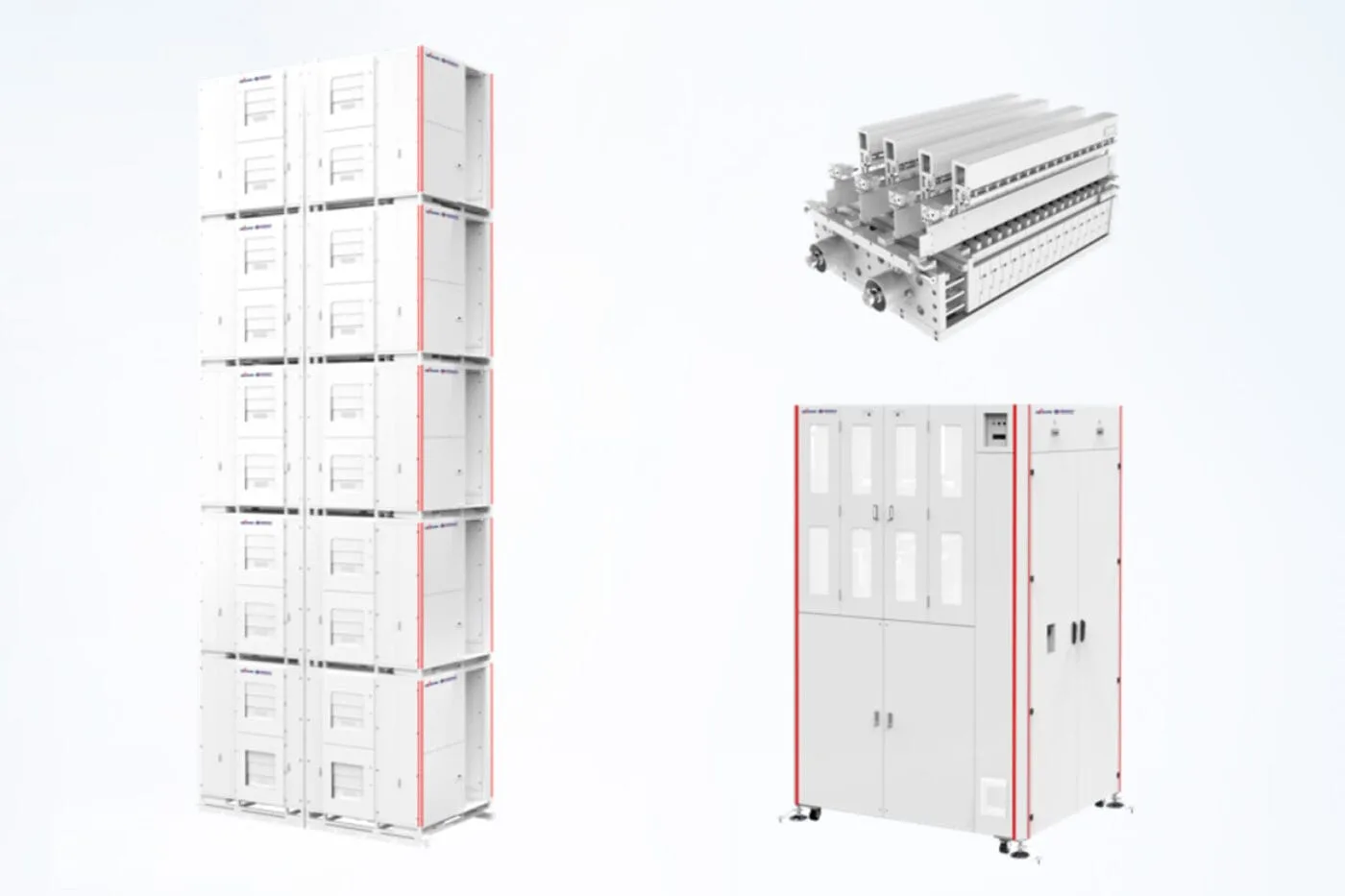
LEAD’s latest innovation targets the crucial and often energy-intensive “formation and grading processes” within lithium-ion battery manufacturing. This is where a battery cell receives its first charge, forming the vital SEI film that dictates its long-term stability and lifespan. The new system promises a paradigm shift, focusing on dramatically reducing energy consumption, lowering operating costs, and enhancing production consistency. For instance, a high-precision temperature control system is designed to maintain the battery chamber at 25 degrees Celsius with a remarkable tolerance of ±1.5°C, effectively improving temperature control accuracy by 50 percent. Furthermore, the volume of the high-temperature zone has been slashed by 60 percent, and the strategic use of hot water as an energy source is set to significantly reduce overall energy demand.
The economic implications extend beyond energy savings. Integrated designs are projected to cut the energy required for the initial charging process by six percent and trim floor space requirements by 20 percent. For manufacturers, this translates directly into reduced capital expenditure and operational overhead. The firm also highlights a 30 percent reduction in installation and commissioning times, thanks to pre-assembled components. Perhaps most striking is the impact of new negative pressure components, which maintain electrolyte injection port cleanliness, allowing for a staggering 90 percent reduction in required cleanroom area. This alone could save millions in annual facility costs and tens of millions in plant construction savings for a single production line, making large-scale battery manufacturing significantly more cost-effective and scalable.
The Ripple Effect: Accelerating EV Adoption and Shifting Demand Curves
Innovations like LEAD’s are not isolated technical advancements; they are critical enablers of the broader energy transition. By making battery production cheaper, faster, and more efficient, these technologies directly contribute to lowering the cost of electric vehicles (EVs) and energy storage solutions. As EV adoption accelerates globally, driven by more affordable and higher-performing batteries, the long-term demand curve for traditional petroleum products, particularly gasoline, inevitably faces downward pressure. This direct link between manufacturing efficiency and market penetration is a key area of focus for our readers. Many are asking for a base-case Brent price forecast for the next quarter and a consensus 2026 Brent forecast, seeking to understand how these long-term shifts will manifest in near-term market dynamics. While the immediate impact on global oil demand may be incremental, the cumulative effect of such advancements over the coming years is undeniable and warrants careful consideration in any long-term energy investment strategy.
Navigating Immediate Headwinds: Crude Prices and Upcoming Events
While the long-term energy transition gathers momentum, oil and gas investors must remain keenly attuned to immediate market signals. As of today, Brent Crude trades at $94.51, reflecting a -0.44% dip within a daily range of $94.42 to $94.91. Similarly, WTI Crude is at $90.62, down -0.73% for the day, trading between $90.57 and $91.50. Gasoline prices have also seen a slight decline, currently at $2.99. This recent softening is part of a broader trend; Brent Crude has seen a significant decline of -12.4% over the past 14 days, falling from $108.01 to $94.58.
The coming weeks are packed with events that could introduce further volatility. This Friday, April 17th, the Baker Hughes Rig Count will offer insights into drilling activity, followed swiftly by the critical OPEC+ Joint Ministerial Monitoring Committee (JMMC) meeting on Saturday, April 18th, and the full Ministerial OPEC+ Meeting on Monday, April 20th. These gatherings are paramount for setting production quotas and will heavily influence short-to-medium-term supply outlooks. Subsequent API and EIA weekly inventory reports, scheduled for April 21st, 22nd, 28th, and 29th, will provide crucial data points on U.S. crude and product stockpiles. These events are precisely what our readers monitor for signs of market direction and will be central to refining any Brent price forecast for the next quarter. The decisions made by OPEC+ and the health of global inventories will play a significant role in determining if the recent price downtrend continues or if a floor is established.
Investor Focus: Balancing Innovation with Geopolitical Realities
For oil and gas investors, the emergence of highly efficient battery manufacturing technologies like those from LEAD presents a dual challenge and opportunity. On one hand, it confirms the inexorable march of the energy transition, signaling a future where petroleum’s dominance in certain sectors will diminish. This naturally fuels questions about the sustainability of long-term oil demand and the consensus 2026 Brent forecast, which must increasingly account for accelerated EV adoption. On the other hand, the immediate market remains driven by geopolitical tensions, OPEC+ policy, and existing supply/demand fundamentals. Our proprietary data indicates a strong interest in how Chinese tea-pot refineries are running this quarter, highlighting the continued importance of conventional demand drivers and refining capacity in the short term.
The strategic investor must, therefore, maintain a balanced perspective. While these battery innovations will undoubtedly reshape the energy landscape over decades, the current market is still heavily influenced by traditional factors. Understanding the efficiency gains in battery production is crucial for evaluating long-term portfolio resilience, but it must be weighed against the immediate catalysts and constraints within the oil and gas sector. The ability to integrate insights from both the rapidly evolving clean energy sector and the day-to-day fluctuations of crude markets will define successful investment strategies in this complex and fascinating era.