China’s Battery Tech Export Curbs: A New Dynamic for Oil & Gas Investors
Beijing’s recent decision to impose export restrictions on battery cathode material preparation technology introduces a significant new variable into the global energy equation, with direct implications for oil and gas markets. This strategic move, affecting critical technologies for lithium iron phosphate (LFP) and related battery chemistries, signals China’s intent to manage the global proliferation of its advanced manufacturing know-how. For investors tracking the energy transition, this development is not merely about electric vehicles (EVs); it’s about the potential ripple effects on long-term crude oil demand, geopolitical energy security, and the pace of decarbonization outside of China. Our analysis delves into how these restrictions could reshape investment theses in the coming quarters, offering insights that go beyond the daily price swings.
The Geopolitical Chessboard: China’s Tech Dominance and Export Controls
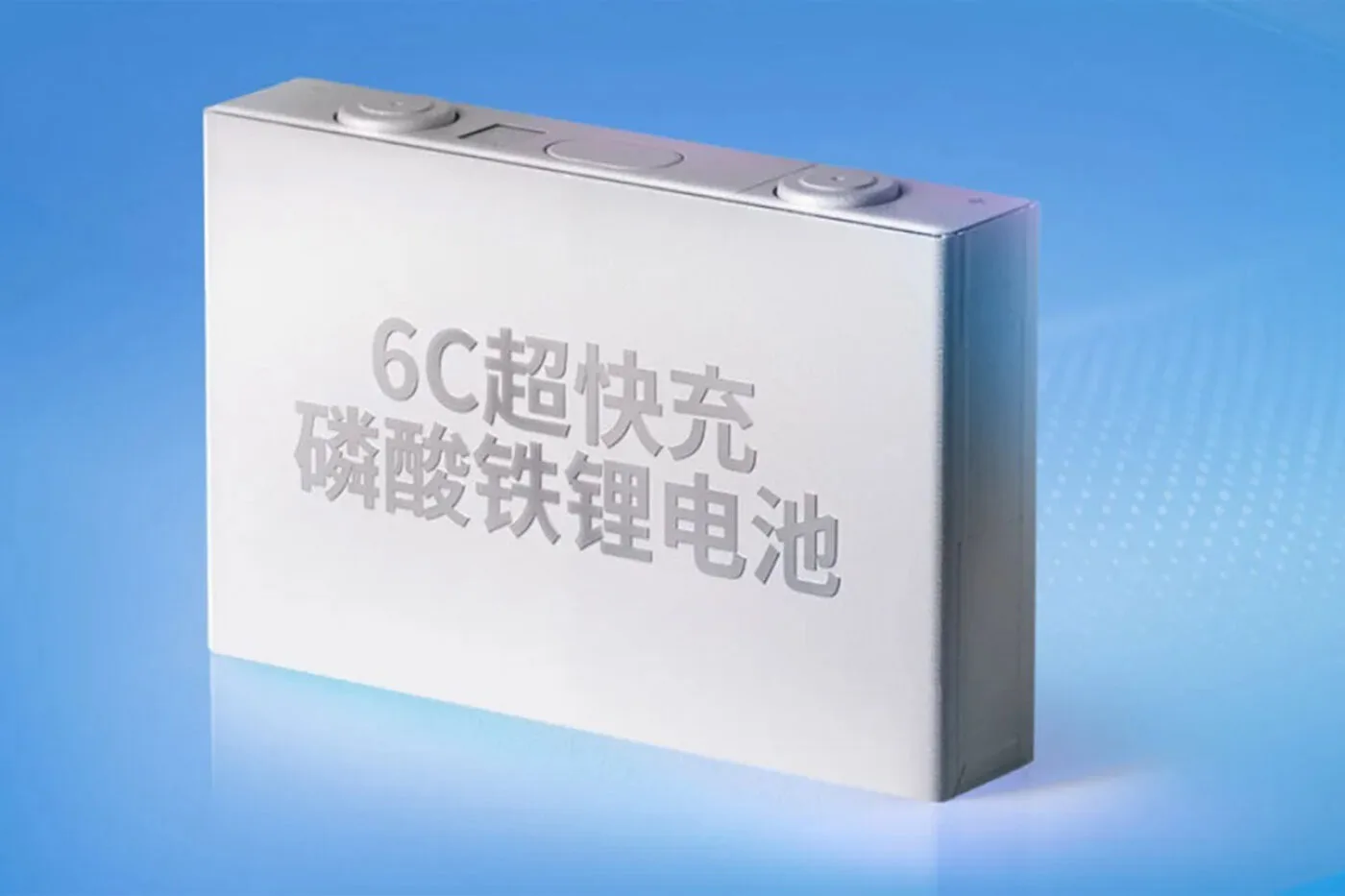
The updated “Catalogue of Technologies Prohibited and Restricted from Export from China,” announced recently by the Ministry of Commerce, now includes preparation technologies for key battery cathode materials such as lithium iron phosphate, lithium manganese iron phosphate, and their raw material precursors. These technologies are foundational for the high-volume, cost-effective production of lithium-ion batteries, particularly those powering electric vehicles and grid-scale energy storage solutions. While not an outright ban, the requirement for export licenses before international transfers of this technology grants Beijing significant oversight and control. China’s stated rationale centers on balancing “development and safety,” a familiar refrain that often precedes strategic resource and technology management. This move extends Beijing’s earlier actions concerning rare earths, which also saw licensing procedures cause initial disruption, highlighting a consistent strategy of leveraging technological leadership in critical sectors. For oil and gas investors, this isn’t just about batteries; it’s about a major industrial power asserting control over a crucial bottleneck in the global energy transition supply chain.
EV Adoption and Crude Demand: A Shifting Horizon
The immediate consequence of these restrictions is the potential deceleration of advanced LFP battery manufacturing outside of China. Given China’s leading position in LFP technology, any impediment to the transfer of this preparation know-how could slow the ramp-up of EV production capabilities in other regions. This has direct implications for global crude oil demand. If the pace of EV adoption outside China is hampered, even incrementally, it extends the runway for internal combustion engine vehicles, thereby sustaining demand for gasoline and diesel fuels longer than previously anticipated. Our proprietary reader intent data indicates a keen interest among investors in understanding next quarter’s Brent price forecast and the consensus 2026 Brent outlook. This latest development from Beijing adds a layer of complexity to these forecasts. While the long-term trajectory towards electrification remains, strategic controls on key technologies introduce frictional costs and delays, potentially pushing out the peak oil demand horizon. Furthermore, questions around Chinese teapot refinery runs this quarter, which our readers are actively asking, underscore the ongoing interplay between global demand and China’s domestic energy dynamics, a relationship now further complicated by these new tech policies.
Navigating Current Crude Market Volatility Amidst New Uncertainties
As of today, Brent crude trades at $94.58 per barrel, reflecting a modest intraday decline of 0.37%. This follows a more significant trend over the past two weeks, where Brent has shed $13.43, or 12.4%, from its peak of $108.01 on March 26th. WTI crude mirrors this sentiment, currently at $90.85, down 0.48% for the day. This recent market volatility, despite ongoing geopolitical tensions, suggests a market grappling with demand signals and broader macroeconomic concerns. The new Chinese battery tech restrictions, while not directly impacting today’s crude output, contribute to a pervasive sense of uncertainty regarding future energy demand. A slower global EV transition, even if marginal, could counter some of the downward pressure on crude prices stemming from efficiency gains or increased non-OPEC+ supply. Investors are keenly watching for signs of how these tech curbs might influence long-term demand elasticity, especially as global economies navigate inflationary pressures and varying growth trajectories. The question of sustained crude demand is now intertwined with the accessibility of critical EV manufacturing technologies.
Forward View: Key Catalysts and Strategic Positioning
Looking ahead, the next two weeks are packed with events critical for oil & gas investors, all set against the backdrop of China’s evolving tech export policies. The Baker Hughes Rig Count on April 17th and April 24th will offer insights into North American supply dynamics. More significantly, the OPEC+ Joint Ministerial Monitoring Committee (JMMC) meeting on April 18th, followed by the Full Ministerial OPEC+ Meeting on April 20th, will be paramount. These gatherings will reveal whether major producers anticipate a more sustained demand profile due to potential EV slowdowns or if they will maintain current output strategies. Weekly inventory reports, including the API Weekly Crude Inventory on April 21st and 28th, and the EIA Weekly Petroleum Status Report on April 22nd and 29th, will provide immediate snapshots of market balances. Investors must consider how these data points and policy decisions from major producers will integrate with the longer-term implications of China’s tech nationalism. While the market’s immediate focus remains on supply-demand fundamentals and geopolitical flashpoints, the new battery tech restrictions inject a subtle, yet powerful, long-term bullish undercurrent for crude by potentially slowing the pace of demand erosion from electrification. Strategic investors should monitor these upcoming events not just for short-term trading signals, but for how they reflect the adapting strategies of energy players in a world where technology control is becoming as potent as resource control.