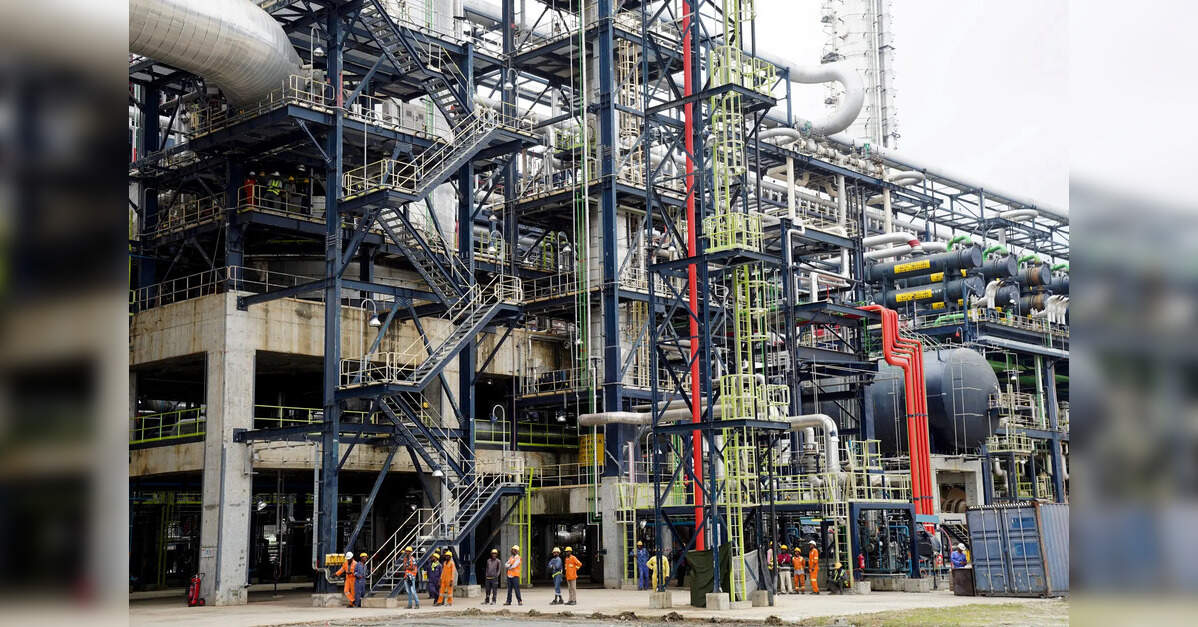
The global refining sector remains a critical fulcrum in the broader energy market, dictating product supply and influencing crude demand. For sophisticated oil and gas investors, understanding the operational nuances of key refineries is paramount. The phased operational adjustments at Bharat Petroleum Corporation Ltd’s (BPCL) Bina refinery in central India offer a microcosm of these market dynamics, highlighting both short-term supply disruptions and long-term strategic expansions. While the immediate impact of a 2025 maintenance shutdown has passed, its implications, alongside a significant planned expansion in 2027, continue to resonate, shaping regional product balances and informing investment theses in a volatile crude environment.
Bina Refinery’s Operational Rhythms: Past Maintenance, Present Insights
The 15-day maintenance shutdown of the crude unit at BPCL’s 156,000 barrels-per-day (bpd) Bina refinery, which commenced on August 11, 2025, served as a tangible example of how routine operational activities can ripple through product markets. While the continuous catalytic reformer maintained gasoline production, diesel output from this single crude unit refinery was indeed impacted for the duration. For investors, this event underscored the inherent vulnerability of product supply to scheduled turnarounds, particularly in regions with tight refining margins or high product demand. India, a significant consumer and exporter of refined products, frequently navigates these planned outages. Analyzing the market’s reaction to such events in hindsight provides invaluable data points for forecasting future product price volatility during similar disruptions, emphasizing the need for granular monitoring of refinery run rates and inventory levels.
Current Market Headwinds and Product Spread Dynamics
The current market landscape, as of today, April 15, 2026, presents a complex picture for refiners and product traders. Brent Crude is trading at $94.93 per barrel, registering a modest gain of 0.15% within a day range of $91-$96.89. Similarly, WTI Crude stands at $91.39, up 0.12%. However, a broader perspective reveals a more bearish sentiment for crude, with Brent having declined by approximately $9, or 8.8%, over the past 14 days, falling from $102.22 to $93.22. This downward pressure on crude prices, coupled with gasoline trading at $3 per gallon (+1.01% today), suggests fluctuating product spreads. For refiners, robust product demand, particularly for diesel which faced a temporary reduction from Bina in 2025, is crucial for profitability. The interplay of crude input costs, which have softened recently, and product prices dictates refining margins. Investors must closely monitor these spreads, as they directly impact the earnings potential of integrated oil companies and standalone refiners. Any unexpected refinery outage, even a regional one, can significantly tighten local product markets and temporarily boost crack spreads, impacting companies with exposure to those specific geographies and products.
Forward-Looking Catalysts: Bina’s Expansion and Global Supply Signals
Beyond the immediate market fluctuations, strategic long-term developments like Bina’s planned 2027 expansion are critical for shaping future supply. The refinery is slated for a 30-day shutdown in 2027 to facilitate a capacity increase to 220,000 bpd. This 41% boost in processing capability will significantly enhance BPCL’s footprint in the Indian refined products market. For investors tracking global refining capacity, such expansions are crucial, indicating increased demand for crude feedstock and potentially greater competition in product markets over the long run. The timing of this future shutdown and expansion also coincides with several high-impact upcoming events that will influence crude price discovery. The OPEC+ Joint Ministerial Monitoring Committee (JMMC) meeting on April 18, followed by the Full Ministerial meeting on April 20, will be closely watched for any signals regarding production policy. Any adjustments to output quotas could significantly shift the supply-demand balance for crude, affecting the economics of refinery expansions. Furthermore, the regular Baker Hughes Rig Count reports (April 17, April 24) provide insights into future North American crude supply, while API and EIA Weekly Crude Inventory reports (April 21, April 28) offer real-time snapshots of market tightness. These events, collectively, will influence the crude price environment in which Bina’s expanded capacity will eventually operate, making the investment case for such projects highly sensitive to market forecasts.
Addressing Investor Concerns: Refining Capacity and Price Forecasts
Our proprietary reader intent data reveals a consistent focus among investors on understanding refining capacity utilization and its implications for price forecasts. Questions surrounding “base-case Brent price forecast for next quarter” and “consensus 2026 Brent forecast” highlight the pervasive need for clarity on future crude trajectory. The Bina refinery’s expansion in 2027, as a key piece of India’s growing energy infrastructure, directly feeds into these broader market equations. An increase in Indian refining capacity implies higher crude demand from the region in the coming years, potentially offering structural support to crude prices, assuming global demand holds steady. This is particularly relevant when considering the global refining landscape, including the performance of independent “tea-pot” refineries in China, which often impact Asian product balances. While Bina’s immediate 2025 maintenance caused a temporary diesel output dip, the 2027 expansion represents a strategic move to secure future product supply and market share. Investors should view such capital expenditures by integrated oil majors as long-term bets on robust product demand growth, particularly in developing economies. The ability of companies like BPCL to execute these complex projects efficiently, while navigating market volatility and regulatory landscapes, will be a key determinant of their future investment appeal. Monitoring these regional refining developments is essential for building robust, defensible crude and product price forecasts.


