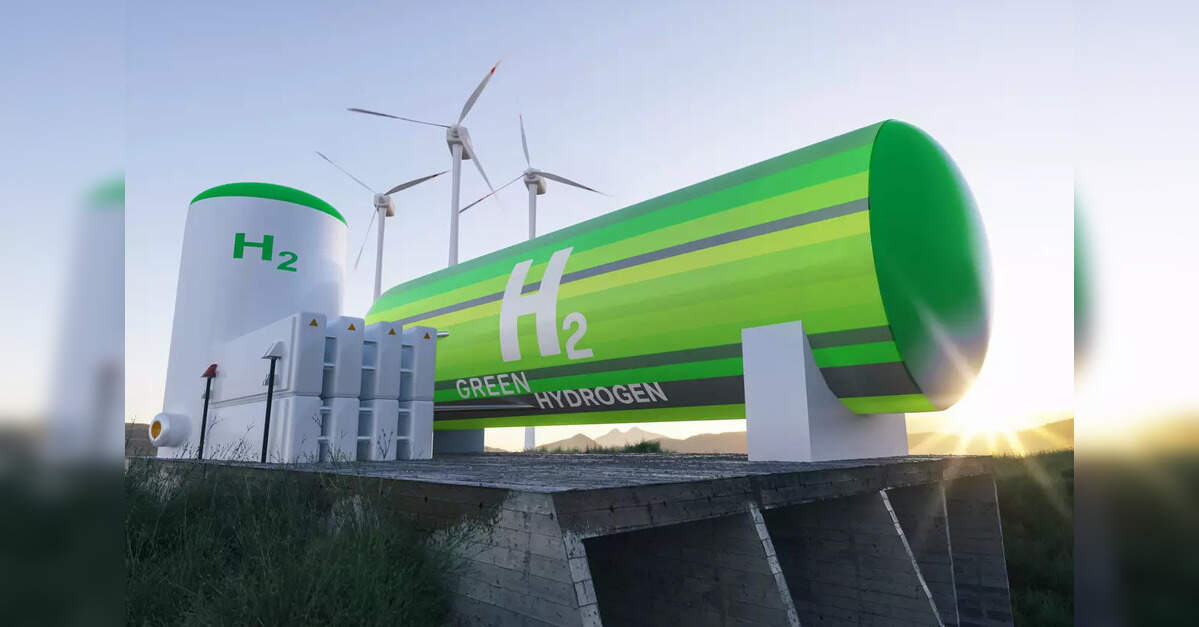
The energy investment landscape continues its dynamic evolution, with significant policy shifts emerging alongside persistent volatility in global crude markets. India’s Goods and Services Tax (GST) Council is poised to potentially enact a game-changing reduction in tax rates for green hydrogen and related technologies. This move, recommended by a key panel, signifies a powerful policy signal that could accelerate the energy transition in one of the world’s largest and fastest-growing economies. For oil and gas investors, understanding these parallel tracks – immediate hydrocarbon market fluctuations and long-term clean energy policy drivers – is crucial for strategic capital deployment and portfolio optimization.
India’s Green Hydrogen Push: A Policy Catalyst for Investment
A recent recommendation from a panel mandated to examine tax rates under India’s GST Council suggests a significant fiscal incentive for the nascent green hydrogen sector. The proposal involves slashing the GST on green hydrogen from the current 18% down to 5%. This dramatic 13-percentage-point reduction is mirrored for crucial enabling technologies, specifically storage batteries and green hydrogen electrolyzers, which are vital components for production. This recommendation, slated for review at the GST Council’s upcoming meeting likely in July, reflects a clear government intent to foster the growth of India’s clean energy economy. Industry stakeholders have actively lobbied for these cuts, arguing that lower taxation will make green hydrogen and energy storage solutions more affordable, thereby accelerating their adoption and critically contributing to India’s ambitious clean energy targets. This policy decision, if implemented, represents a direct lever to enhance the commercial viability and attractiveness of green hydrogen projects, potentially drawing substantial new investment into the sector.
The implications of such a tax reduction extend beyond mere cost savings. It signals a robust commitment from the Indian government to prioritize decarbonization efforts and cultivate a domestic green energy ecosystem. This aligns with broader international collaborations, such as the India-EU Clean Energy and Climate Partnership, which supports joint projects and research, including green hydrogen imports. For investors with a long-term view, particularly those seeking exposure to the global energy transition, this policy shift in India could unlock significant opportunities, making the region a more competitive and attractive destination for green hydrogen and energy storage investments. The July meeting thus stands as a pivotal event, potentially cementing India’s position as a leader in affordable clean energy solutions.
Navigating Crude Volatility Amidst Green Energy Signals
While policy momentum builds for clean energy, the traditional oil market continues its characteristic volatility, presenting a contrasting backdrop for investors. As of today, Brent crude trades at $90.38 per barrel, reflecting a significant 9.07% decline within the day’s range of $86.08 to $98.97. WTI crude mirrors this sentiment, registering a 9.41% drop to $82.59, having traded between $78.97 and $90.34. This sharp daily downturn follows a broader trend; over the past two weeks, Brent crude has shed a substantial $20.91, falling from $112.78 on March 30th to $91.87 on April 17th, representing an 18.5% depreciation. Such pronounced swings in crude prices underscore the inherent risks and uncertainties in traditional hydrocarbon investments, driven by geopolitical events, supply-demand dynamics, and global economic sentiment.
This persistent volatility in the conventional oil and gas sector makes policy-driven stability and growth in the green energy space increasingly attractive for diversified portfolios. The stark contrast between the daily double-digit percentage drops in crude benchmarks and the steady, long-term policy support for green technologies, as exemplified by India’s proposed GST cuts, highlights a critical strategic pivot for investors. While short-term gains can be significant in volatile markets, the structural tailwinds supporting green hydrogen and energy storage offer a different risk-reward profile, emphasizing long-term growth and capital appreciation driven by global decarbonization mandates and government incentives. Savvy investors are increasingly balancing their exposure, seeking to capitalize on traditional energy’s near-term opportunities while building positions in the accelerating energy transition.
Upcoming Catalysts: OPEC+ Decisions and the Green Hydrogen Timeline
The immediate future presents a convergence of critical events impacting both conventional and clean energy markets. For traditional oil and gas, the coming days are packed with high-stakes meetings. This weekend, the OPEC+ Joint Ministerial Monitoring Committee (JMMC) convenes on April 18th, followed by the full OPEC+ Ministerial Meeting on April 19th. These gatherings are paramount for investors tracking global supply policy, with potential decisions on production quotas directly influencing crude price trajectories. Following these, weekly data releases from the API (April 21st, 28th) and EIA (April 22nd, 29th) on crude inventories, alongside the Baker Hughes Rig Count (April 24th, May 1st), will provide granular insights into U.S. supply and demand dynamics, guiding short-term market sentiment.
In parallel, the clean energy investment horizon is marked by the crucial GST Council meeting in India, anticipated in July. This meeting holds the power to finalize the recommended tax cuts for green hydrogen, storage batteries, and electrolyzers. The outcome of this decision will act as a significant forward-looking catalyst, potentially unlocking substantial investment flows into India’s green energy sector. For investors looking beyond the immediate crude market fluctuations, the July GST Council decision represents a key date for long-term strategic planning. While OPEC+ decisions and inventory reports will dictate daily and weekly movements in hydrocarbon prices, the Indian policy outcome could shape the investment landscape for green technologies for years to come, influencing capital allocation decisions by major energy players and financial institutions alike.
Investor Sentiment and Strategic Positioning in a Dual Energy Market
Our proprietary intent data reveals that investors are grappling with this dual energy reality, demonstrating a keen interest in both the short-term performance of established players and the long-term outlook for the entire sector. A frequently asked question this week concerns the performance of integrated energy companies like Repsol, with investors querying “How well do you think Repsol will end in April 2026?” This indicates a focus on how traditional oil and gas entities are navigating current market conditions. Simultaneously, there’s a strong demand for future market predictions, with many asking, “What do you predict the price of oil per barrel will be by end of 2026?” This highlights a strategic need for long-term guidance amidst present volatility.
The proposed GST tax cuts in India directly inform these investor considerations. For companies like Repsol, which are actively diversifying into renewables and green hydrogen, such policy incentives in major emerging markets can significantly enhance the profitability and scalability of their clean energy ventures. Reduced costs for green hydrogen production and storage not only improve project economics but also accelerate market adoption, aligning perfectly with global decarbonization strategies and investor mandates for ESG-compliant portfolios. The tax reduction effectively lowers the barrier to entry and expands the addressable market for green hydrogen and energy storage solutions, driving adoption and contributing to India’s clean energy goals. This suggests that while immediate oil price movements capture attention, the strategic positioning of companies within the burgeoning green energy sector, bolstered by supportive government policies, will be a defining factor in their long-term value creation. Savvy investors are therefore evaluating companies not just on their hydrocarbon earnings, but increasingly on their strategic agility and exposure to high-growth, policy-supported clean energy segments.


