The Middle East remains an unpredictable crucible for global oil markets, where geopolitical tremors swiftly translate into price volatility. While specific flashpoints may fade from immediate headlines, the underlying tensions persist, serving as a constant reminder of the region’s outsized influence on energy supply. For oil and gas investors, navigating this landscape requires not just an understanding of fundamental supply and demand, but also a keen eye on the evolving geopolitical risk premium that continues to shape crude prices. This analysis delves into the persistent volatility, drawing on both past market reactions and our proprietary real-time data to offer a forward-looking perspective for strategic positioning.
The Escalation of June 2025 and its Immediate Market Echoes
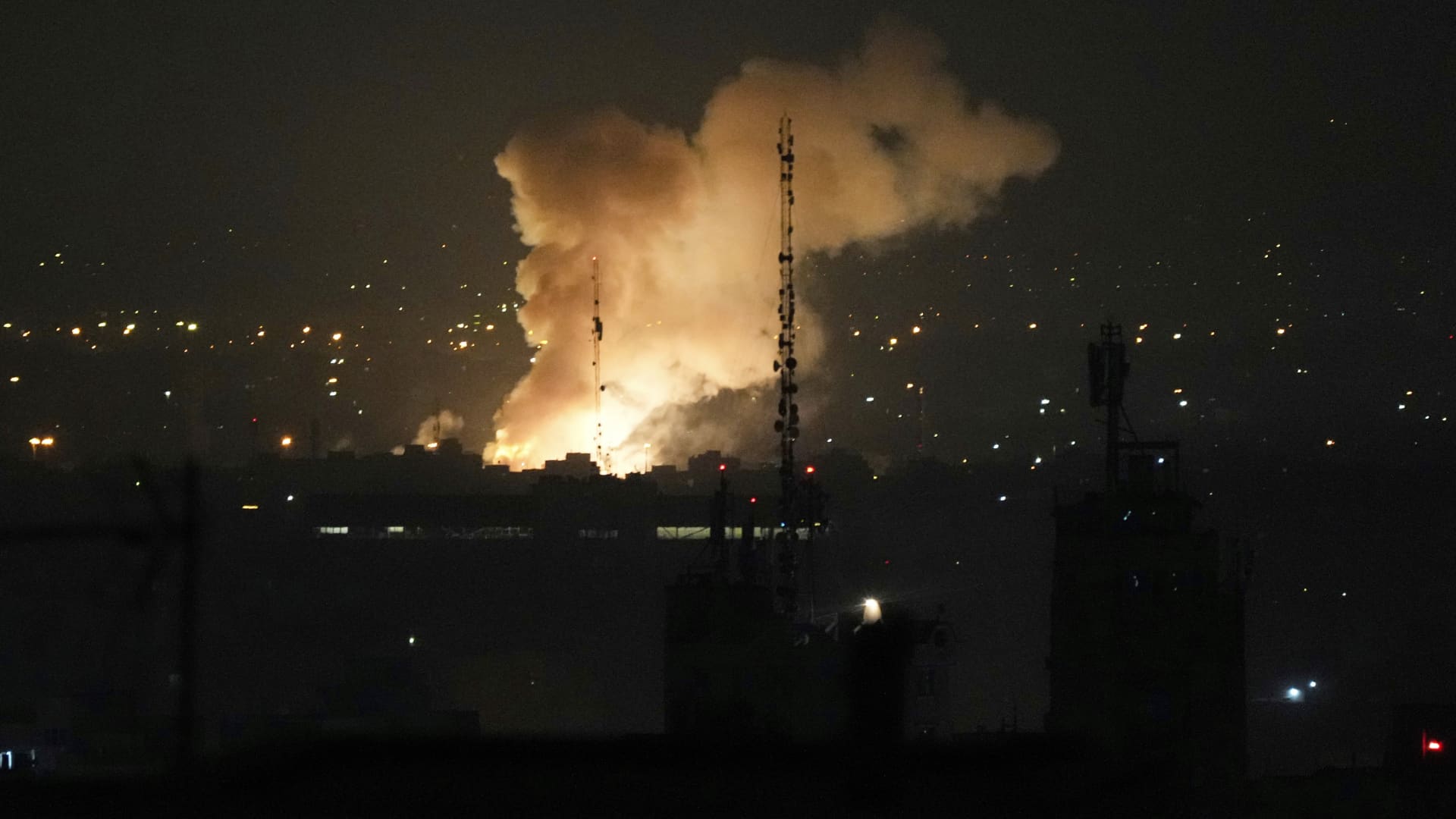
The events of June 13, 2025, served as a stark illustration of how quickly Mideast tensions can ignite global oil markets. Following Israel’s overnight missile strike on Iran, which tragically claimed the lives of at least three senior Iranian military leaders and reportedly targeted nuclear enrichment facilities, Iran launched over 100 drones toward Israeli territory. This retaliatory action, described as the largest attack on the Islamic Republic since the Iran-Iraq war of the 1980s, immediately sent shockwaves through energy trading desks. Israeli Prime Minister Benjamin Netanyahu confirmed the “very successful” strikes on senior command and nuclear installations, vowing to continue attacks “until the threat is removed.”
The market’s reaction was swift and decisive. In the immediate aftermath, global benchmark Brent crude surged by as much as 13%, briefly topping $78 a barrel before paring some gains to trade around $75.38, reflecting an 8.5% increase by morning ET. U.S. WTI crude also saw significant upward movement, trading around $74.11 per barrel, up approximately 9%. This acute spike underscored the market’s sensitivity to direct state-on-state conflict in a region responsible for a third of the world’s oil supply, highlighting the critical need for investors to factor in rapid geopolitical shifts.
Current Market Realities: A $95 Brent Amidst Lingering Uncertainty
While the dramatic price surges of June 2025 reflected immediate panic, the underlying geopolitical risk has continued to simmer, contributing to sustained volatility in the oil market. Fast forward to today, April 15, 2026, and our proprietary data shows Brent crude trading at $95.67, marking a modest 0.93% daily gain, with U.S. WTI at $92.33. This current price level, significantly higher than the $75 mark seen during the 2025 incident, suggests a persistent risk premium has been baked into the market over time.
However, a deeper dive into our 14-day Brent trend reveals a more nuanced picture. Over the past two weeks, Brent crude has actually seen a nearly 8.8% decline, moving from $102.22 on March 25 to $93.22 yesterday. This seemingly contradictory movement—daily gains amidst a recent downtrend, all against a backdrop of ongoing Mideast tensions—underscores the complexity of current energy markets. It indicates that while geopolitical events can trigger sharp, immediate spikes, the broader price trajectory is influenced by a confluence of factors, including global demand outlooks and broader macroeconomic sentiment. The market’s current range, with Brent trading between $91 and $96.89 today, reflects this inherent instability.
Upcoming Catalysts and Investor’s Strategic Focus
Looking ahead, the oil market faces several key data points and events that will shape pricing in the coming weeks, all against the backdrop of persistent Mideast tensions. Our reader intent data indicates a strong focus on building a base-case Brent price forecast for the next quarter, underscoring the investor community’s desire to quantify the multifaceted risks and opportunities.
The upcoming OPEC+ Joint Ministerial Monitoring Committee (JMMC) meeting on April 18, followed by the full Ministerial meeting on April 20, will be critical. Investors will be keenly watching for any signals regarding output policy, especially as Mideast instability could prompt members to reassess supply-demand balances. Alongside these, the regular cadence of inventory reports will provide vital demand and supply health checks: the API Weekly Crude Inventory on April 21 and 28, and the EIA Weekly Petroleum Status Report on April 22 and 29. These reports will offer insights into U.S. crude stocks, refinery utilization, and product demand, influencing short-term price movements.
Further informing the supply side, the Baker Hughes Rig Count on April 17 and 24 will shed light on North American drilling activity. Beyond these scheduled events, our proprietary reader questions reveal investor interest extends to global demand signals, with inquiries about Chinese ‘teapot’ refinery runs and Asian LNG spot prices. This holistic approach is essential as investors seek to balance the geopolitical risk premium with fundamental demand drivers, aiming to refine their consensus 2026 Brent forecasts amidst ongoing uncertainty.
The Erosion of Diplomatic Off-Ramps and Risk Premium Implications
The prospect of de-escalation through diplomacy, once a fragile hope, appears increasingly dim in the ongoing Mideast dynamic. The Israeli strikes on Iran in June 2025 occurred just days before a scheduled sixth round of U.S. and Iranian nuclear deal talks, a critical window for potential de-escalation that was evidently shattered. President Trump’s public statements following the attacks, urging Iran to make a deal “before it’s too late” and lamenting that “Now everyone is dead, and it’s only going to get worse,” painted a grim picture for any immediate diplomatic resolution.
This lack of a viable diplomatic off-ramp significantly amplifies the geopolitical risk premium embedded in oil prices. Without clear pathways for de-escalation, the region remains susceptible to further direct or proxy conflicts, shipping disruptions in vital chokepoints, or even broader regional destabilization. For investors, this means the threat of supply shocks is a persistent and elevated concern, making precise, long-term price forecasting exceptionally challenging. The market will continue to price in this uncertainty, ensuring that Mideast headlines, however old, continue to exert influence on the daily gyrations of Brent and WTI crude.
Conclusion
The events of June 2025 and the subsequent market reactions serve as a powerful reminder: Mideast tensions are not isolated incidents but rather enduring drivers of oil market volatility. While immediate price spikes grab headlines, the sustained risk premium and the interplay with global fundamentals dictate long-term value. As we monitor current prices, upcoming OPEC+ decisions, and key inventory reports, investors must remain agile and strategic. The erosion of diplomatic avenues for de-escalation ensures that geopolitical risk will continue to be a primary determinant of crude oil prices, demanding constant vigilance and a sophisticated understanding of both market mechanics and regional dynamics for successful oil and gas investing.

