Brent, WTI Surge After Israeli Strike on Iran
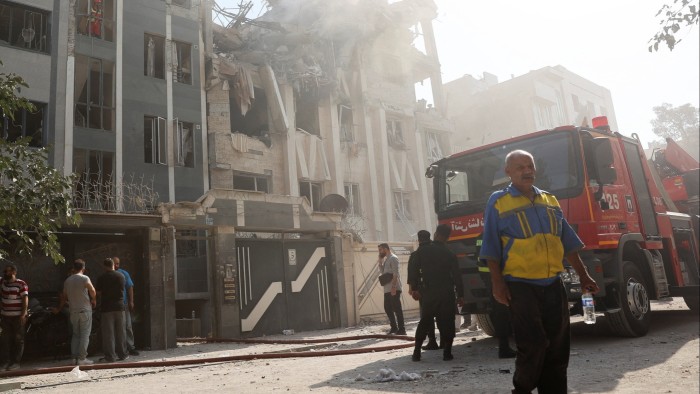
Global crude oil benchmarks experienced their most significant single-day rally in over three years on Friday, as an Israeli military operation targeting Iranian facilities dramatically escalated geopolitical tensions across the Middle East. The strike immediately prompted investor concerns over potential disruptions to vital energy supplies from the region, triggering a flight to safe-haven assets.
Immediate Market Reaction and Price Movements
During early afternoon trading hours in Asia, the international benchmark, Brent crude, saw its price surge approximately 8 percent, climbing to $74.88 per barrel. Concurrently, the US crude marker, West Texas Intermediate (WTI), also registered a gain exceeding 8 percent, reaching $73.67 per barrel. This sharp upward movement underscores market anxieties about the conflict’s potential impact on the world’s foremost oil and gas producing region.
Financial markets also observed gold, a traditional safe-haven asset, appreciate by roughly 1.2 percent during the same Asian trading window, settling at $3,427 per ounce, further illustrating the widespread risk aversion among investors.
Expert Perspectives on Escalation and Outlook
Industry analysts quickly weighed in on the unfolding events. Michael Alfaro, Chief Investment Officer at Gallo Partners, an influential hedge fund specializing in energy and industrial sectors, characterized the attack on Iran’s nuclear facilities as a “seismic escalation” of the ongoing conflict. Alfaro further warned, “We’re staring down the barrel of a prolonged conflict that’s almost certain to keep oil prices elevated,” indicating a sustained period of higher energy costs could be on the horizon for global markets.
Helima Croft, a former CIA analyst now serving at RBC Capital Markets, posed a critical question for investors to consider: “The key question is whether Iran seeks to internationalise the cost of tonight’s action by targeting regional energy infrastructure.” Her commentary highlights the uncertainty surrounding Iran’s potential retaliatory measures and their scope, which could range from limited responses to broader attacks on critical energy assets.
Geopolitical Flashpoints: The Strait of Hormuz and Regional Vulnerabilities
The renewed conflict introduces multiple significant risks to the global energy sector. A primary concern revolves around the Strait of Hormuz, a strategically vital choke point separating Iran from the Persian Gulf states. This narrow waterway facilitates the passage of approximately one-third of the world’s seaborne oil supplies. Iran has historically threatened to close the strait in response to perceived aggressions, a move that would have catastrophic implications for global energy markets and prices.
Beyond maritime routes, several of the world’s largest oilfields, including those situated in Saudi Arabia and Iraq, fall within the operational range of Iran’s sophisticated missile and drone capabilities. This vulnerability is not merely theoretical; in 2019, an attack on Saudi Arabian oil facilities, widely attributed to Iran, briefly sent crude prices soaring, demonstrating the tangible impact such incidents can have on supply and pricing stability.
Implications for Global LNG Markets
The ripple effect of heightened tensions extends beyond crude oil to the liquefied natural gas (LNG) market. Qatar, a major global supplier of LNG, relies heavily on the Strait of Hormuz for its shipments to reach international markets. At a time when global LNG supplies remain tight and demand is robust, any disruption to Qatari exports transiting Hormuz could exacerbate existing supply shortages and lead to significant price volatility in the natural gas sector, impacting energy security for many nations.
US Strategic Petroleum Reserve: A Potential Lever
In response to potential market instability, attention often turns to the United States’ Strategic Petroleum Reserve (SPR), the world’s largest emergency crude stockpile. Former US President Donald Trump has previously committed to maintaining low oil prices to help curb inflation. Should the current oil price surge persist or if Middle Eastern supplies face significant disruption, the option of releasing crude from the SPR could become a consideration.
However, the SPR’s current state presents a more complex picture. The Biden administration previously released approximately 300 million barrels of crude from the reserve following Russia’s full-scale invasion of Ukraine, aiming to stabilize prices. Critics, including former President Trump, have highlighted this drawdown, noting that the reserve reached its lowest level in 40 years. Currently, the SPR holds around 400 million barrels, substantially below its maximum capacity of 727 million barrels, potentially limiting its effectiveness as a tool for prolonged market intervention.
OPEC+ Response and Market Monitoring
Market participants are also keenly observing any potential reactions from the OPEC+ alliance of oil-producing nations. Saudi Arabia, a key member and influential voice within the group, promptly issued a condemnation of Israel’s actions on Friday. The collective stance and any policy adjustments from OPEC+ will be crucial in shaping future oil supply dynamics and market sentiment. Investors will closely monitor statements and actions from this powerful bloc for indications of how they plan to address the evolving geopolitical landscape and its impact on global crude supplies.
Investor Outlook: Navigating Heightened Uncertainty
The latest military actions mark a significant shift in the Middle Eastern geopolitical risk premium. Investors in the oil and gas sector must now contend with an elevated probability of supply disruptions, sustained price volatility, and potential retaliatory actions that could broaden the scope of the conflict. Monitoring diplomatic efforts, military movements, and the responses of key regional and global players will be paramount for informed decision-making in this rapidly changing energy market environment.