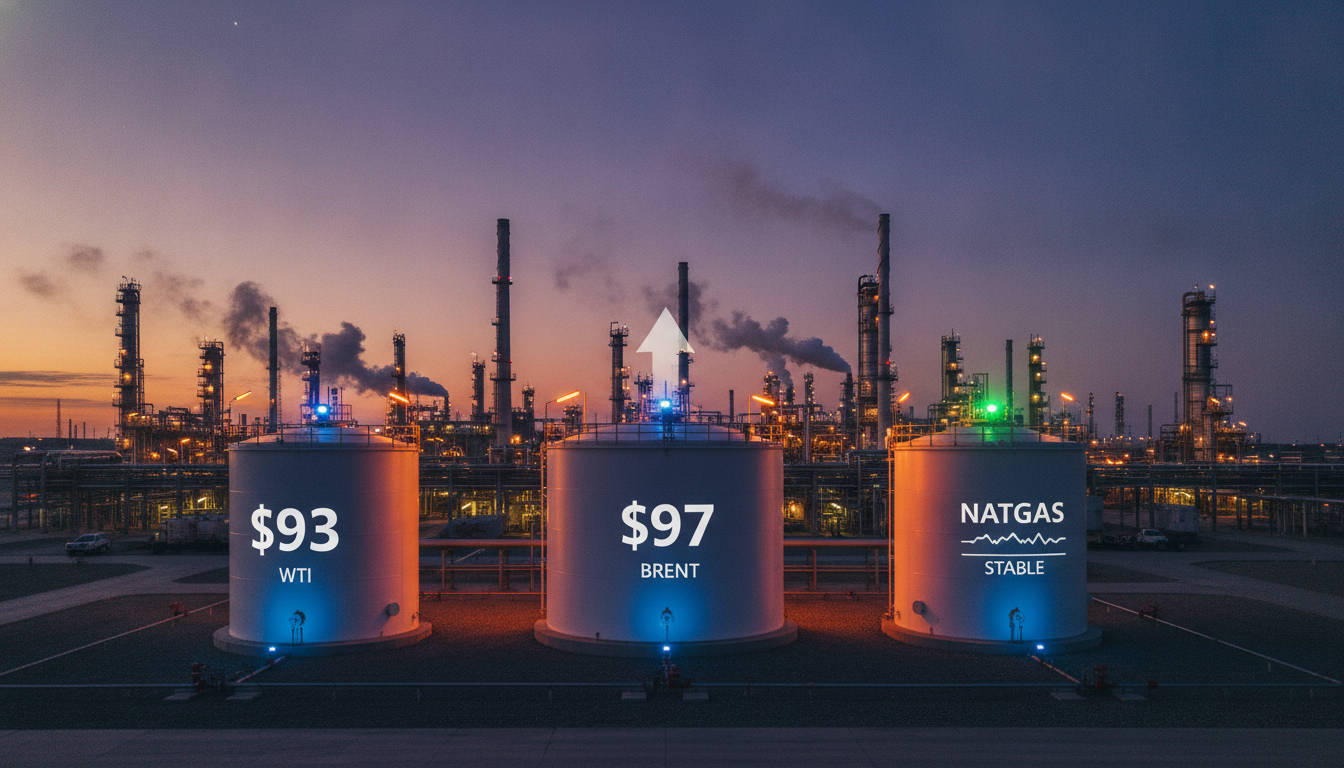
Global energy markets navigate a landscape of cautious optimism and persistent headwinds as the second quarter unfolds. While a discernible uptick in global demand, particularly spearheaded by robust activity across Asian economies, offers a glimmer of positive momentum, the overarching forecast for 2026 suggests a more subdued trajectory. Persistently elevated interest rates in major economies, combined with a continued squeeze on consumer income across developed markets, are expected to constrain the pace of global economic expansion over the foreseeable future. This delicate balance demands a sharp focus from investors monitoring the intricate interplay of supply, demand, and geopolitical factors.
Shifting Sands in Natural Gas Fundamentals
The natural gas sector currently exhibits a notably quiet trading environment, a stark contrast to the volatility observed in previous periods. This tranquility largely stems from ongoing inventory rebuilds occurring concurrently in both the United States and Europe. A milder-than-expected spring weather pattern has significantly tempered heating demand, allowing for a steady replenishment of storage facilities ahead of anticipated future consumption spikes. Furthermore, recent geopolitical developments, specifically a reduction in regional tensions, have acted to alleviate pressure on the crucial liquefied natural gas (LNG) supply chain. This improved stability has directly translated into a moderation of international spot natural gas prices, providing a welcome reprieve for buyers.
Despite the current short-term calmness, the medium-to-longer term outlook for natural gas consumption demand remains robust and compelling for investors. As a key transition fuel, natural gas is poised to play an integral role in global energy strategies, supporting industrial growth, power generation, and increasing LNG export capacity. The strategic positioning of natural gas within the broader energy transition narrative underscores its enduring importance and potential for sustained demand growth, even as renewable energy sources continue their expansion.
Looking ahead, several critical factors will command the attention of crude oil and refined product traders. The trajectory of US crude oil and refined product inventories will provide vital clues regarding domestic demand and refining activity. Simultaneously, forthcoming policy decisions from the Organization of the Petroleum Exporting Countries and its allies (OPEC+) concerning future supply levels remain paramount. While a recent ceasefire has undeniably introduced a period of relative calm to the market, its ultimate duration and long-term impact on global supply dynamics remain uncertain, posing an inherent risk that market participants must meticulously evaluate.
Natural Gas Futures: A Critical Technical Retest at $3.166
The financial instruments tied to natural gas have recently shown notable price action, with Natural Gas Futures dipping to a critical level of $3.166. This specific price point represents more than just a momentary decline; for many short-term traders and technical analysts, it signifies a retest of a pivotal “blue channel” on the 2-hour chart. Such a technical retest is a widely monitored event, often indicating whether a key support level will hold or if a downward trend might accelerate. Investors keenly observe these patterns for potential entry or exit points, as a firm bounce from this level could signal a stabilization or even a reversal, while a decisive breach might pave the way for further declines.
The implications of such technical movements are intertwined with the fundamental drivers influencing the natural gas market. The current backdrop of robust inventory builds across key consumption regions, coupled with the benign impact of mild spring weather on demand, creates a specific market sentiment. While these fundamentals generally suggest ample supply, the $3.166 level on the futures chart serves as a psychological and technical threshold. Its reaction will likely dictate immediate trading strategies, influencing short-term speculative positions and potentially signaling broader market sentiment for the coming weeks. For long-term investors, understanding these short-term fluctuations helps gauge market psychology and the resilience of underlying demand drivers.
The global macroeconomic environment continues to cast a long shadow over energy commodity markets. The “higher for longer” interest rate paradigm, particularly in developed economies, directly impacts investment decisions, capital expenditures in the energy sector, and ultimately, consumer spending. Reduced discretionary income, a consequence of persistent inflationary pressures and tighter monetary policies, translates into slower growth in energy demand across various sectors. This economic inertia acts as a significant drag on projected demand figures, making the path to robust recovery somewhat constrained for the medium term, specifically influencing the 2026 outlook for global energy consumption.
Asia’s role as a primary driver of any demand resurgence cannot be overstated. Industrial expansion, urbanization trends, and increasing energy requirements in populous nations like China and India continue to underpin regional consumption growth for both crude oil and natural gas. However, even within Asia, the pace of growth is sensitive to global trade dynamics and regional economic policies. For investors, monitoring economic indicators from major Asian economies provides an essential barometer for future energy demand trends, offering insights into potential opportunities and risks within the commodities sector.
In summary, the energy market presents a complex mosaic for investors. While natural gas fundamentals show a promising long-term trajectory and current inventory builds offer short-term stability, crude oil markets remain highly sensitive to geopolitical shifts and OPEC+ production policies. The macroeconomic headwinds of elevated interest rates and constrained consumer spending are tempering global demand projections, particularly for 2026. Therefore, a diligent assessment of both technical indicators, such as the crucial retest seen in natural gas futures, and the overarching fundamental and geopolitical landscape is essential for navigating the evolving energy investment terrain.