U.S. Drought Reaches Historic Levels, Posing Multi-faceted Risks for Energy Investors
The contiguous United States is grappling with a drought of unprecedented severity for this time of year, a concerning development with significant implications for the energy sector and broader economic stability. With over 61% of the Lower 48 states currently experiencing moderate to exceptional drought conditions – including a staggering 97% of the Southeast and two-thirds of the West – the ramifications extend far beyond agricultural yields, directly impacting energy infrastructure, operational costs, and even demand dynamics for hydrocarbon products.
Current data from the U.S. Drought Monitor indicates these are the highest drought levels recorded for this period since its inception in 2000. Further underscoring the gravity of the situation, the National Oceanic and Atmospheric Administration’s (NOAA) Palmer Drought Severity Index registered its highest March level since records began in 1895. Alarmingly, last month stands as the third-driest on record regardless of the season, surpassed only by the infamous Dust Bowl months of July and August 1934. Such extremes portend substantial challenges for energy companies and their investors navigating an increasingly volatile climate landscape.
Operational Headwinds and Infrastructure Vulnerabilities
The confluence of record heat and exceptionally low snowpack, particularly across the Western states, is depleting a vital natural water storage mechanism crucial for summer supplies. This acute water scarcity directly threatens the extensive energy infrastructure, from oil and gas extraction and refining to power generation. Water is indispensable for hydraulic fracturing operations, cooling processes in refineries and power plants, and even for maintaining navigable waterways for energy product transportation.
Adding to the complexity, a distinct drought, attributed to the jet stream diverting storms northward, has taken hold across the South, stretching from Texas to the East Coast. This parallel crisis amplifies the national challenge. According to NOAA calculations, eastern Texas alone would require an astonishing 19 inches of rain in a single month to break its drought, while most of the Southeast needs over a foot of precipitation to alleviate its deficit. These are not minor shortfalls; they represent a severe and sustained lack of moisture with long-term implications for water-intensive industries like energy.
The “sponginess” of the atmosphere, technically measured as vapor pressure deficit, has also reached critical levels. This metric, which quantifies how much moisture hot, dry air extracts from the land, is currently 77% above normal in the West and more than 25% higher than the previous record for the January through March period. This unprecedented atmospheric thirst accelerates desiccation, exacerbating fire risks and intensifying water stress in a manner previously deemed unimaginable.
Wildfire Threat and Energy Sector Exposure
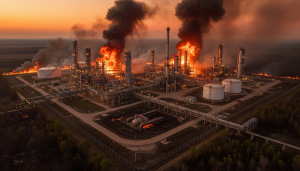
The elevated drought conditions significantly heighten the risk of an aggressive wildfire season. As climatologists warn, fire activity responds to heat and drought in an exponential manner, meaning each incremental rise in temperature or dryness yields a disproportionately larger increase in fire danger. For energy investors, this translates into increased exposure to operational disruptions, potential damage to pipelines, transmission lines, and other critical infrastructure. The financial burden of heightened insurance premiums, emergency response protocols, and potential production halts could materially impact quarterly earnings and long-term asset values.
Moreover, the early onset of drought, peaking in spring rather than the customary summer months, signals an extended period of vulnerability. This year’s trajectory suggests a more prolonged and intense wildfire season, keeping energy companies on high alert for an extended duration, with corresponding impacts on operational expenditure and investor confidence.
Agricultural Distress and Broader Economic Ripples
Beyond the direct impacts on energy infrastructure, the drought poses a significant threat to agricultural output. A poor crop year in the United States could trigger a global food crisis, especially when combined with a strong natural El Niño weather oscillation, which often reduces crop yields in other major agricultural regions like India. For energy investors, declining agricultural output and rising food prices translate into reduced consumer discretionary spending, potentially dampening demand for transportation fuels and other energy products.
The agricultural sector itself is a significant consumer of energy, from fuel for machinery to natural gas for fertilizer production. Any strain on agriculture can ripple through the energy supply chain, affecting commodity prices and the profitability of upstream and midstream operations that cater to this vital industry.
Water Rights and Strategic Challenges in the West
The unfolding water crisis is particularly acute in regions dependent on the Colorado River, where reservoirs are far from full. This situation is fostering deep concern among stakeholders regarding the absence of a clear, negotiated path forward for water management. For energy companies operating in these water-stressed areas, the lack of sufficient water resources can lead to curtailments, higher costs for acquiring water, or even limitations on expansion projects. Investors must scrutinize the water management strategies of their portfolio companies, assessing their resilience against prolonged scarcity and potential regulatory interventions.
While natural variability plays a role, experts concur that human-caused climate change is significantly influencing the intensity and frequency of these extreme weather events. As one climatologist noted, “All weather is now affected by climate change.” This perspective frames the current drought not as an isolated incident, but as a manifestation of a broader, evolving climate trend that demands strategic foresight from energy investors. Companies with robust climate adaptation plans, diversified operations, and sustainable water management practices will be better positioned to weather these increasingly frequent and severe environmental challenges, safeguarding long-term shareholder value in a rapidly changing world.