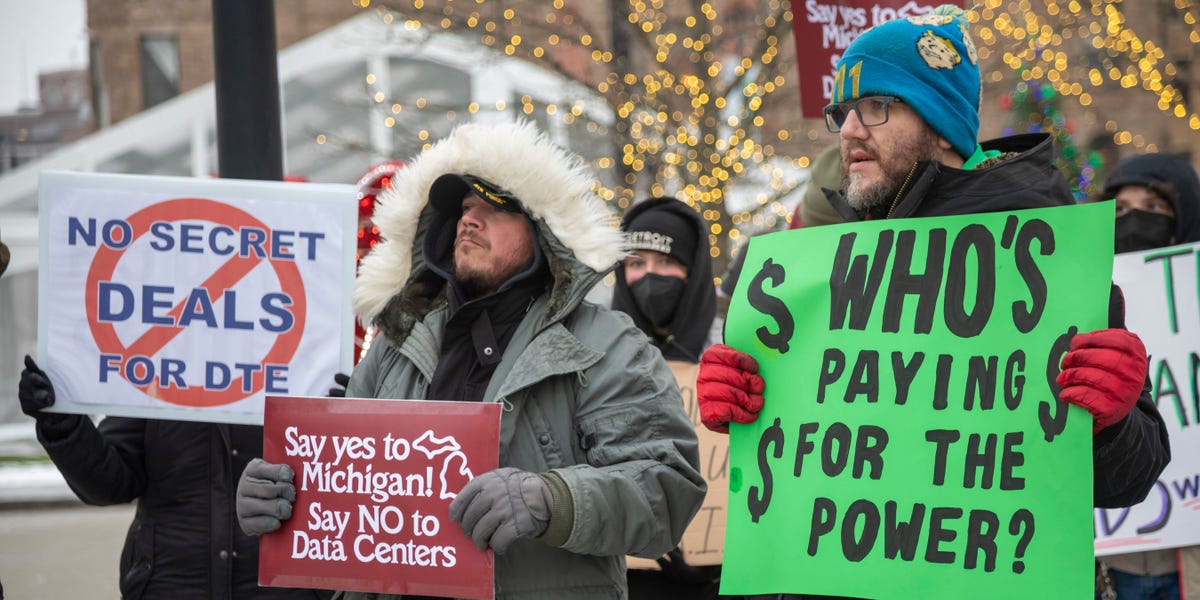
US Data Center NIMBY Clouds Power Demand Outlook
The energy investment landscape is rarely static, but a surprising new headwind is emerging that could significantly reshape future electricity demand projections, with direct implications for natural gas and broader power sector investments. Traditionally seen as magnets for economic growth, data centers — the gargantuan energy consumers powering our digital world — are now encountering fierce local and political opposition. This unexpected turn, marked by a rare bipartisan consensus from figures like Ron DeSantis, Josh Hawley, Bernie Sanders, and Elizabeth Warren, signals a growing “Not In My Backyard” (NIMBY) sentiment that investors must integrate into their long-term energy demand models. The shift from states actively courting these facilities with tax incentives to proposing moratoriums and demanding higher utility contributions creates a complex, evolving risk profile for those banking on unbridled growth in power-intensive industries.
The Surprising Headwind to Power Demand Growth
For years, states competed to attract data center development, lured by promises of job creation and long-term revenue. More than three dozen states have offered significant tax breaks to tech companies. However, this dynamic is rapidly reversing as these sprawling campuses multiply and inch closer to residential areas. The sheer scale of development is staggering: over 4,000 data centers currently operate in the US, with nearly 3,000 more either planned or under construction. This explosive growth translates into immense energy requirements, leading to local pushback centered on environmental concerns, strain on existing infrastructure, and escalating utility costs for residents. The impact is already tangible: reports indicate that between March and June of last year alone, advocacy groups and residents successfully delayed or blocked proposed data center projects totaling an estimated $98 billion. This local resistance, coupled with mounting political pressure for regulation and fairer utility contributions, suggests a significant tempering of future electricity demand forecasts, particularly impacting the demand for natural gas in power generation.
Market Realities: Brent Holds Strong Amidst Demand Uncertainty
Against this backdrop of emerging long-term demand uncertainties, the immediate crude market reflects robust current dynamics. As of today, Brent Crude trades at $93.5, showing a significant daily gain of 3.39%, with its intra-day range spanning $89.11 to $95.53. Similarly, WTI Crude stands at $89.86, demonstrating a 2.79% increase today, having moved between $85.5 and $92.23. This daily uplift comes after a challenging two weeks, where Brent shed nearly 20% of its value, dropping from $118.35 on March 31st to $94.86 yesterday. This volatility underscores the market’s sensitivity to both immediate supply concerns and shifting demand narratives. While the data center NIMBY issue may not be a primary driver of daily price swings, it represents a structural demand headwind that, over time, could influence the trajectory of global energy consumption, particularly for natural gas used in electricity generation. Investors need to differentiate between short-term market reactions and the accumulating long-term pressures on demand forecasts.
Investor Focus: Decoding Future Energy Demand and Political Risks
Investors are keenly focused on future price movements, as evidenced by common queries like “what do you predict the price of oil per barrel will be by end of 2026?” The burgeoning NIMBY movement against data centers introduces a new, critical variable into this equation, especially for those evaluating investments in natural gas and the power sector. The bipartisan nature of the opposition, ranging from progressive icons to conservative stalwarts, signals that this is not a transient issue but a deeply rooted political and economic concern for voters. This makes it a significant regulatory risk. Proposed legislation, such as New York’s three-year moratorium on new data center development and similar bills in Georgia, Maryland, and Oklahoma, highlights the growing legislative intent to control or pause growth. Calls for data centers to “pay their fair share” of rising utility costs could lead to increased operating expenses for tech companies, potentially reducing their incentive to expand rapidly. For energy investors, understanding this evolving political and regulatory landscape is as crucial as traditional supply-demand analysis, as it directly impacts the reliability of long-term power demand forecasts.
Navigating the Regulatory Landscape and Upcoming Catalysts
The political heat around data centers is set to intensify, particularly as midterm elections approach, making regulatory developments a key area for energy investors to monitor. Lawmakers are actively pushing for pauses in construction and increased financial contributions from these facilities. For instance, state Senator Liz Krueger’s statements in New York underscore a sentiment of unpreparedness for the rapid influx of massive data centers. Beyond these legislative proposals, several upcoming energy events will provide critical insights into the broader market and potentially reflect initial adjustments to demand outlooks. Investors should watch the OPEC+ JMMC Meeting today, April 21st, for any signals regarding supply policy that could impact prices. The EIA Weekly Petroleum Status Reports on April 22nd and April 29th, alongside API Weekly Crude Inventory data on April 28th and May 5th, will offer short-term demand indicators. However, the EIA Short-Term Energy Outlook on May 2nd is particularly relevant. This report could be an early indicator of how official forecasts begin to incorporate the slowing growth of power-intensive industries due to NIMBYism. Any revisions to electricity demand projections or shifts in natural gas consumption for power generation will be crucial for understanding the long-term impact of this emerging regulatory challenge on the oil and gas sector.


